Maca Monkey Meat, a name for a traditional Chinese medicinal material. It consists of the meat of the maca monkey (Macaca mulatta Zimmermann) and the short-tailed macaque (M. speciosa F. Cuvier), both belonging to the family Cercopithecidae. It is effective in dispelling wind and dampness, as well as tonifying the kidneys and strengthening the spleen. It is primarily used to treat rheumatic bone pain, neurasthenia, impotence and nocturnal emission, pediatric malnutrition, and bloody stools.
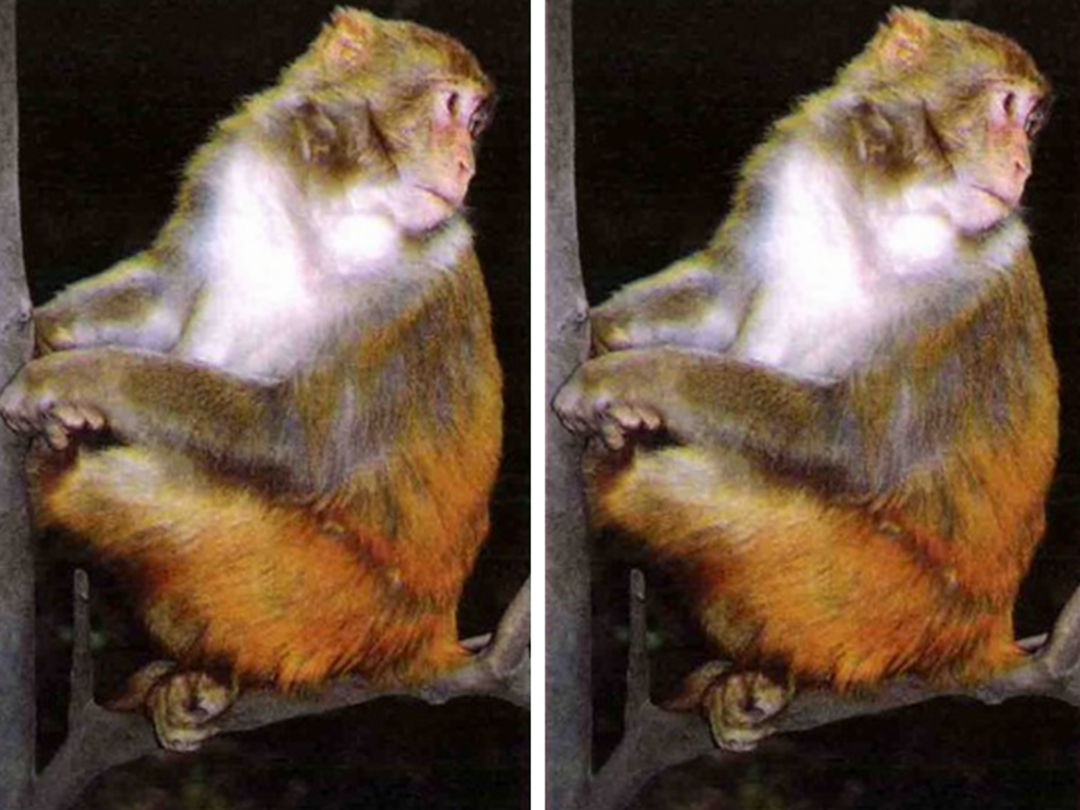
Macaque Meat
Maca Monkey Meat, a name for a traditional Chinese medicinal material. It consists of the meat of the maca monkey (Macaca mulatta Zimmermann) and the short-tailed macaque (M. speciosa F. Cuvier), both belonging to the family Cercopithecidae. It is effective in dispelling wind and dampness, as well as tonifying the kidneys and strengthening the spleen. It is primarily used to treat rheumatic bone pain, neurasthenia, impotence and nocturnal emission, pediatric malnutrition, and bloody stools.
Chinese Name : 猕猴肉
Nature, Flavor & Meridian Tropism : Taste: sour; nature: neutral
Benefits & Efficacy
Benefits
Dispels wind and dampness; tonifies the kidneys and strengthens the spleen.
Indications
Rheumatic bone pain, neurasthenia, erectile dysfunction and nocturnal emissions, malnutrition in children, and bloody stools.
Usage and Dosage
Internal use: Steam and eat, 100–200 g; or roast into jerky.
Relevant Discussions
1. *Classified Materia Medica*: “Mainly treats various wind-related debilities; is even better when brewed into wine; when made into jerky, it treats chronic malaria.”
2. *Compendium of Medicinal Animals of China*: “Tonifies the kidneys and strengthens yang, astringes and consolidates essence, and dispels wind-dampness. Primarily treats kidney deficiency-induced impotence, nocturnal emission, enuresis, neurasthenia, and rheumatic arthralgia.”
3. *Compendium of Chinese Animal Medicines*: “Treats childhood malnutrition, neurasthenia, rheumatic bone pain, and erectile dysfunction.”
4. *Yi Medicine: Animal Medicines*: “Treats bloody stools.”
Applications
Processing & Preparation
Harvesting & Processing
It can be captured in all four seasons. After capture and slaughter, remove the fur and internal organs, debone the carcass, and collect the meat, which can be used fresh or dried.
Crude Drug Identification
Botanical Information
Morphological Characteristics
1. Macaque: Slightly slender and small in build, with no “whirl of hair” on the crown of the head; short shoulder hair and a relatively long tail, approximately half the body length. Possesses cheek pouches, five toes with flat nails, and a well-developed, reddish buttock callus, which is more pronounced in females.Body color ranges from brownish-gray to brownish-yellow, varying by region and age. The fur on the rear half of the back is lustrous orange-yellow; the underside is pale gray, and the upper part of the hind limbs also has an orange sheen. 2. Short-tailed Macaque: Larger than the common macaque, with larger individuals weighing up to 15 kg.The limbs are of equal length, and the tail is very short, measuring only about 6 cm. In adulthood, the face is reddish; in young monkeys, the face turns red as they reach sexual maturity, but in old age, the redness fades to purple or bluish-black; the hair on the crown of the head is relatively long and parted from the center to both sides, which is the main distinguishing feature from macaques.
Distribution Area
1. Macaque: Found in Guangdong, Hainan, Guangxi, and most of the Yangtze River basin, with scattered populations on the Qinghai-Tibet Plateau and in Shanxi, Henan, and Hebei. 2. Short-tailed macaque: Found in southwestern China, as well as in Jiangxi, Fujian, Hunan, Guangdong, Guangxi, and Tibet.