
Licorice root (Glycyrrhiza glabra) is one of the oldest and most well-documented herbal remedies for respiratory issues, especially various types of cough. Used for thousands of years in traditional Chinese medicine, Ayurveda, and Western herbalism, it serves as a natural demulcent, expectorant, and anti-inflammatory agent. It effectively relieves dry cough, scratchy throat cough, post-cold residual cough, and mild productive cough with phlegm. Unlike harsh synthetic cough suppressants, licorice root soothes irritated respiratory tissues while addressing the root causes of persistent cough. This article details its scientific working mechanisms, cough-specific benefits, proper usage dosage, and essential safety guidelines.
1. How Licorice Root Stops and Relieves Cough (Core Mechanisms)
Licorice root targets multiple respiratory pathways to relieve cough, combining soothing, anti-inflammatory, antimicrobial, and mucus-regulating effects to treat both symptoms and underlying irritation:
Soothes Inflamed Respiratory Mucosa (Demulcent Effect)
Licorice root contains rich mucilage compounds that form a protective, soothing film over the inflamed, irritated mucous membranes of the throat, trachea, and bronchi. This coating instantly reduces scratchiness, dryness, and nerve irritation that triggers frequent dry coughing. It is especially effective for stubborn tickly coughs that worsen at night or after speaking.
Thins Phlegm & Promotes Expectorant Action
For productive cough with thick, sticky phlegm that is hard to expel, licorice root acts as a gentle expectorant. It thins condensed bronchial mucus, reduces mucus viscosity, and stimulates mild bronchial contraction, helping clear congested phlegm from the respiratory tract. This prevents phlegm buildup that causes persistent lingering cough after colds and flu.
Reduces Airway Inflammation & Irritation
Glycyrrhizic acid and flavonoids in licorice root deliver powerful anti-inflammatory effects. They suppress inflammatory responses in the respiratory tract, reduce bronchial swelling, and relieve airway hyperreactivity— a common cause of chronic dry cough, allergic cough, and post-viral residual cough.
Mild Antiviral & Antibacterial Protection
Most acute coughs are triggered by viral or mild bacterial upper respiratory infections. Licorice root’s active compounds inhibit the activity of common respiratory pathogens, helping shorten the duration of cold-related cough and reduce the risk of persistent recurrent throat irritation and coughing.
2. Types of Cough Licorice Root Best Treats
- Dry, tickly cough: Eliminates throat scratchiness and dry airway irritation, stopping non-productive coughing fits.
- Post-cold lingering cough: Relieves residual dry cough and throat sensitivity that lasts days or weeks after cold symptoms fade.
- Mild productive cough: Thins sticky phlegm, eases congestion, and helps clear bronchial secretions naturally.
- Throat irritation cough: Soothes inflamed sore throats from dry air, over-speaking, mild allergies, or seasonal irritation.
- Night-time dry cough: Calms airway hyperreactivity to reduce nighttime coughing and improve sleep quality.
3. Optimal Dosage & Usage for Cough Relief
Licorice root for cough is used short-term during acute respiratory symptoms, with simple, effective daily protocols for fast relief:
Licorice Root Tea (First-Line Home Remedy)
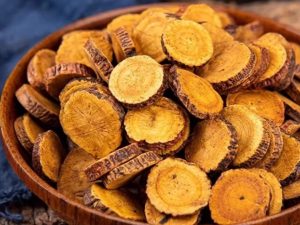
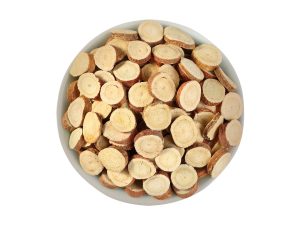
Steep 3–5 grams of dried licorice root slices in 250ml boiling water for 10–15 minutes. Drink warm 2–3 times daily. Do not exceed 10g total daily. Warm licorice tea coats the throat and airways instantly, providing fast soothing relief for dry cough and sore throat. Best consumed while warm for maximum demulcent effects.
Standardized Licorice Extract (Faster Symptom Relief)
For severe persistent cough, take 200–300mg of standardized licorice root extract daily, divided into two doses. Concentrated extract delivers consistent anti-inflammatory and airway-soothing effects, ideal for stubborn post-viral cough.
Best Herbal Pairings for Cough
Licorice root works synergistically with other respiratory herbs to enhance cough relief. Pair with marshmallow root for stronger dry throat soothing, with mulberry leaf for heat and dry cough, or with chrysanthemum for inflammatory throat cough. These combinations accelerate recovery from acute respiratory discomfort.
4. Critical Safety Rules & Contraindications
Licorice root is safe for short-term cough treatment when dosed properly, but long-term or excessive use may cause side effects. Follow these safety guidelines strictly:
Short-Term Use Only for Cough
Use licorice root for cough relief for no more than 7–10 consecutive days. Cough is an acute symptom, and prolonged unnecessary intake may lead to glycyrrhizic acid accumulation, causing water retention, elevated blood pressure, or low potassium levels. Short-cycle symptomatic use eliminates most safety risks.
High-Risk Groups (No Use / Cautious Use)
- Hypertension, heart disease, kidney disorders: Licorice may trigger fluid retention and blood pressure elevation, worsening underlying conditions.
- Pregnant and breastfeeding women: Prohibited from use due to potential hormonal and systemic effects.
- Diabetic individuals: Use cautiously; natural sugars in licorice may affect blood glucose levels.
- People with low potassium: Licorice may exacerbate hypokalemia, causing muscle weakness and fatigue.
Drug Interactions
Licorice root may interact with antihypertensive drugs, diuretics, blood thinners, and cardiac medications. If you take daily prescription medicines, consult a healthcare provider before using licorice for cough relief.
5. Research Background
Modern pharmacological studies validate licorice root’s respiratory benefits. Glycyrrhizic acid and licoflavonol exhibit significant anti-inflammatory, antitussive, and expectorant properties. Clinical observations confirm that short-term licorice root supplementation effectively reduces cough frequency, relieves throat and bronchial irritation, and accelerates recovery from upper respiratory tract infections, with minimal adverse reactions in healthy adults.
Final Summary
Licorice root is a highly effective natural antitussive and respiratory-soothing herb, ideal for most common acute coughs including dry tickly cough, post-cold residual cough, and mild congested cough. Its dual action of soothing irritated airways and reducing inflammation targets cough at the source. The key to safe and effective use is short-term symptomatic intake, controlled daily dosage, and avoidance of high-risk groups. For severe persistent cough, productive cough with fever, or chronic respiratory conditions, seek professional medical diagnosis and treatment.





Great breakdown! I’ve used licorice root tea for a stubborn dry cough and found it surprisingly soothing. Good to see the science behind why it works—especially the anti-inflammatory and demulcent effects. The dosage
Loved this breakdown! I’ve used licorice root tea for