
Pure licorice root has a complex, naturally intense sweet, earthy, and mildly aromatic flavor with subtle bitter and woody undertones. As a herbal pharmacist, I find most people mistake licorice root for black licorice candy—they taste similar but are far from identical. Raw medicinal licorice root delivers layered, grounding herbal sweetness, while commercial candy offers artificial, one-dimensional sugary flavor. Licorice root’s unique taste comes from glycyrrhizin, a natural compound 30–50 times sweeter than table sugar that defines its signature profile.
Unlike candy, pure licorice root never tastes artificial or overly sharp. It carries warm, smooth, coating qualities with a soft lingering finish, making it a beloved herbal tea and supplement ingredient.
Disclaimer: This article is for educational wellness reference only. Taste profiles vary slightly based on root freshness, growing region, and preparation method.
Full Licorice Root Flavor Profile (Breakdown)
Licorice root’s taste is multi-layered, with four distinct sensory characteristics that separate it from candy flavoring:
- Intense natural sweetness (dominant note): Glycyrrhizin creates powerful, pure plant-based sweetness with zero refined sugar. The sweetness builds slowly and lingers on the palate, rather than hitting sharply like candy sugar.
- Soft anise & fennel aromatic notes: A gentle, warm licorice aroma similar to star anise and fennel runs through the flavor profile, creating its classic recognizable scent and taste.
- Earthy, woody herbal depth: Authentic dried root carries subtle woody, mineral-like undertones that ground the sweetness, preventing it from tasting cloying or artificial.
- Mild clean bitter finish: A faint, pleasant herbal bitterness appears in the aftertaste. This subtle bitterness balances the extreme sweetness and is a marker of pure, unadulterated licorice root.
Mouthfeel texture: Licorice root and brewed licorice tea have a uniquely smooth, slightly thick, mucilaginous coating texture that soothes the throat—this is why it works so well for sore throats and dry mucosal irritation.
Real Client Experience: Candy vs. Raw Root Taste Shock
This is a very common first-time user experience I hear in consultations:
A 26-year-old client avoided licorice root tea for years because she disliked strong, harsh black licorice candy. She assumed herbal licorice would taste identical, overly bold and artificial. After trying pure organic licorice root tea, she was surprised by how warm, smooth, and mellow it tasted. The candy’s sharp artificial bite was completely gone, replaced by soft sweetness and gentle earthy herbal notes.
She began drinking it daily for throat soothing and stress support, proving that raw licorice root flavor is vastly milder and more balanced than candy licorice.
Taste Differences by Form
Licorice flavor shifts noticeably depending on whether you consume raw root, brewed tea, or standardized extract:
- Dried raw licorice root: Strongest earthy, woody flavor with concentrated natural sweetness and a more prominent bitter herbal finish.
- Licorice root tea: Mellow, smooth, warm, and highly drinkable. The brewing process softens bitterness and amplifies the sweet, soothing aromatic profile.
- Licorice extract/capsules: Concentrated sweet-herbal taste with minimal earthiness, formulated for potency rather than flavor enjoyment.
- DGL licorice: Milder, less sweet, and less aromatic. Processing removes glycyrrhizin and some flavor compounds, creating a blander herbal taste focused purely on gut-healing properties.
Licorice Root vs. Black Licorice Candy (Key Taste Contrast)
Most licorice taste preferences stem from confusing these two entirely different products:
- Licorice root: Natural, balanced, warm, earthy sweetness with subtle bitterness and soothing texture. No artificial sharpness, no sugar overload.
- Black licorice candy: Sharp, bold, artificial flavor. Most candy uses anise oil instead of real licorice, plus high sugar and molasses, creating a strong, polarizing, one-dimensional taste.
If you dislike licorice candy, you will often still enjoy mild brewed licorice root tea.
Best Flavor Pairings for Licorice Root
Licorice’s natural sweetness balances bitter and spicy herbs perfectly. It blends exceptionally well with:
- Ginger (adds warm spice to offset earthiness)
- Cinnamon (enhances warm, comforting sweetness)
- Chamomile (softens herbal depth for gentle evening tea)
- Peppermint (creates bright, fresh contrast)
FAQs (Licorice Root Taste)
Q: Does licorice root taste like black licorice candy?
A: Very different. Pure licorice root is smoother, warmer, earthier, and less harsh. Candy tastes artificial, sharp, and overly sugary by comparison.
Q: Is licorice root tea sweet without sugar?
A: Yes. Glycyrrhizin provides intense natural sweetness, so licorice tea requires no added sugar or honey.
Q: Does licorice root taste bitter?
A: Only a very mild, pleasant herbal bitterness in the aftertaste. Brewed tea minimizes bitterness significantly.
Q: Does DGL licorice taste different from regular licorice?
A: Yes. DGL is far less sweet and aromatic because the flavor-rich glycyrrhizin is removed during processing.
Q: Why does licorice root taste so sweet?
A: It contains glycyrrhizin, a natural plant compound 30–50 times sweeter than refined sugar, creating intense natural sweetness with low caloric value.
Final Pharmacist Verdict
Pure licorice root features a uniquely complex flavor profile: intensely natural sweet, warm and aromatic with anise-like notes, soft earthy woody depth, and a faint balanced bitter finish. Its smooth, throat-coating texture sets it apart from harsh, artificial black licorice candy. Brewed licorice tea offers the most pleasant, mellow tasting experience, while raw root delivers stronger herbal depth. Its naturally sweet, soothing taste makes licorice root one of the most palatable medicinal herbs for daily wellness support.


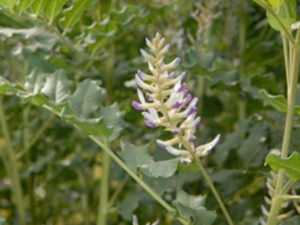



감초 뿌리 맛을 캔디와 비교하는 분들이 많죠. 저도 처음 씹어봤을 때 그 진한 단맛과 함께 은은한 쓴맛, 흙 내음이 신기했어요. 차로 우려 마시면 목이 편안해지는 느낌까지 들어서 자주 찾게 됩니다. 생각보다 훨씬
Interesting read! I always assumed licorice root tasted just like the candy, so I was surprised by the earthy, woody notes you described. Now I’m curious to try the raw root for myself—sounds like a completely different experience. Thanks for clearing up the distinction!
As a tea lover, I was so surprised the first time I tried actual licorice root! The candy really does set you up for a different expectation. That earthy sweetness is so much more subtle and grounding