
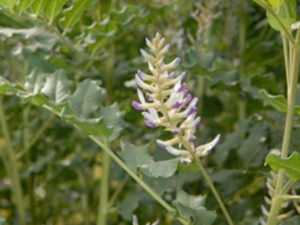
Licorice predominantly grows in arid and semi‑arid desert steppes, desert fringes, and loess hilly zones.
Historically, commercial licorice was sorted into two broad grades: bark‑type licorice and powder‑type licorice. Botanically, three official licorice species are recognized: Glycyrrhiza uralensis (Chinese licorice), Glycyrrhiza inflata (inflated licorice), and Glycyrrhiza glabra (glabrous licorice / licorice of‑the‑glabrous fruit).
Materials come from two sources: wild‑harvested and artificially cultivated.
Wild‑Harvested Licorice
Wild Glycyrrhiza uralensis (Liangwai Licorice, authentic Daodi medicinal material)
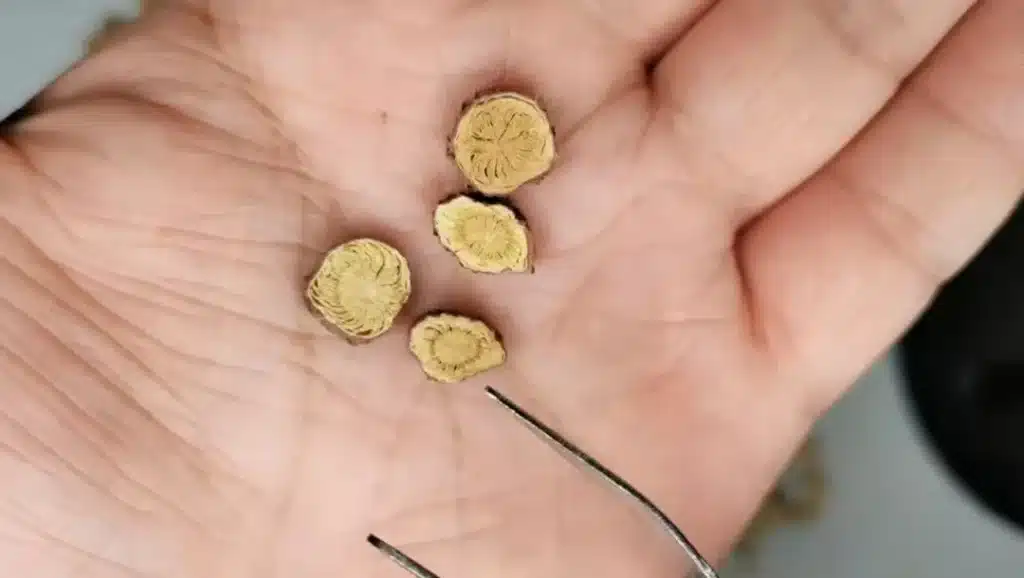
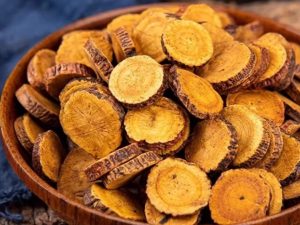
Liangwai licorice features a reddish‑brown outer bark covered with wrinkles and grooves. Its cross‑section is bright yellow with a porous chrysanthemum‑pattern core. It is celebrated for its fine reddish bark, abundant starch‑like powder, and minimal fibrous strands. It originates from the southern Liangwai zone of Hangjin Banner, Ordos, Inner Mongolia, representing classic authentic‑region licorice.
Wild Glycyrrhiza inflata (North‑west / Xinjiang licorice)
Wild inflated licorice bears coarse grey‑brown outer bark. The cross‑section is pale‑yellow, strongly fibrous, low in starchy powder, and marked by visible cracks. It is mainly distributed across Xinjiang, the Sanbian area of northern Shaanxi, and the Hexi Corridor of Gansu; also known as Northwest licorice or Xinjiang licorice.
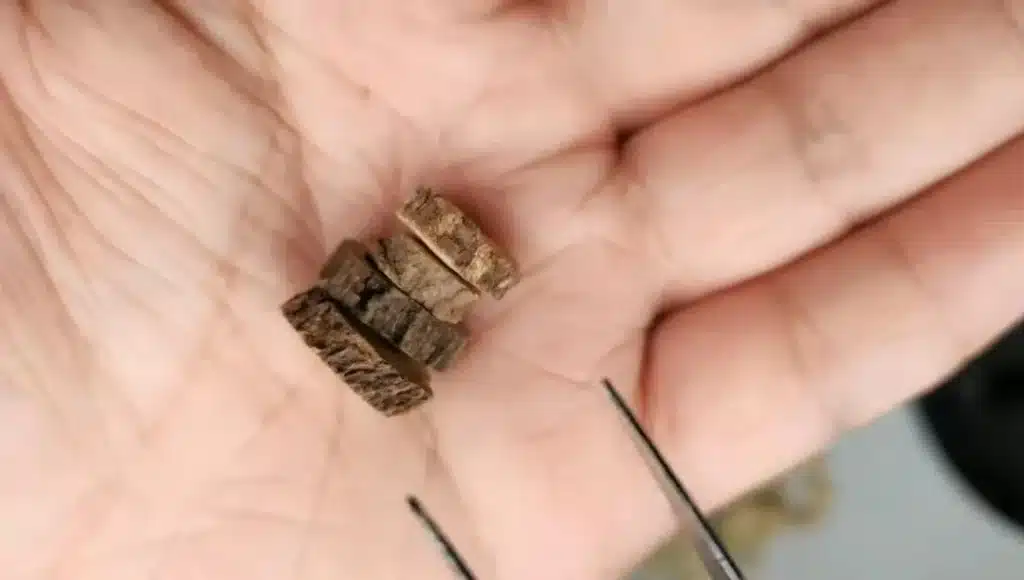
Wild Glycyrrhiza glabra (Foreign licorice)
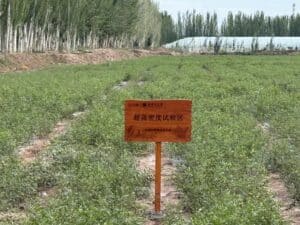
Wild glabrous licorice has dark‑brown wrinkled bark with deep grooves. Its cross‑section appears dull‑toned, rich in powder content and low‑fiber. Native to the Mediterranean region of Europe and Russia, it is imported as “foreign licorice”. It is also cultivated in Inner Mongolia, Northwest China and North China. (Reference image only: Inner‑Mongolia‑grown Glycyrrhiza glabra)
Cultivated Licorice
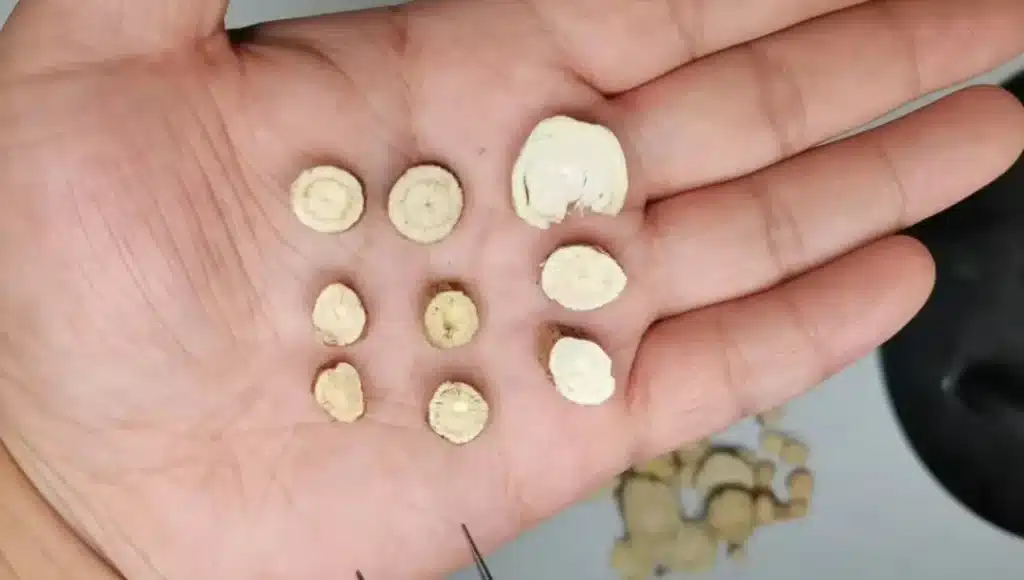
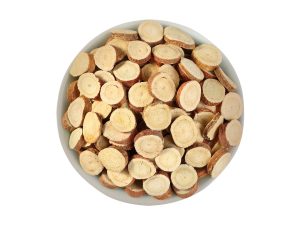
Cultivated licorice has a reddish‑brown outer bark. Its cross‑section shows pale‑white chrysanthemum‑pattern core. Slices with an overall bleached‑white appearance may have undergone sulfur fumigation. Major producing regions include Inner Mongolia, Xinjiang, Hebei and Gansu. (Figure 1: Left column: Xinjiang cultivated licorice; Middle column: Hebei cultivated licorice; Right column: Gansu cultivated licorice)
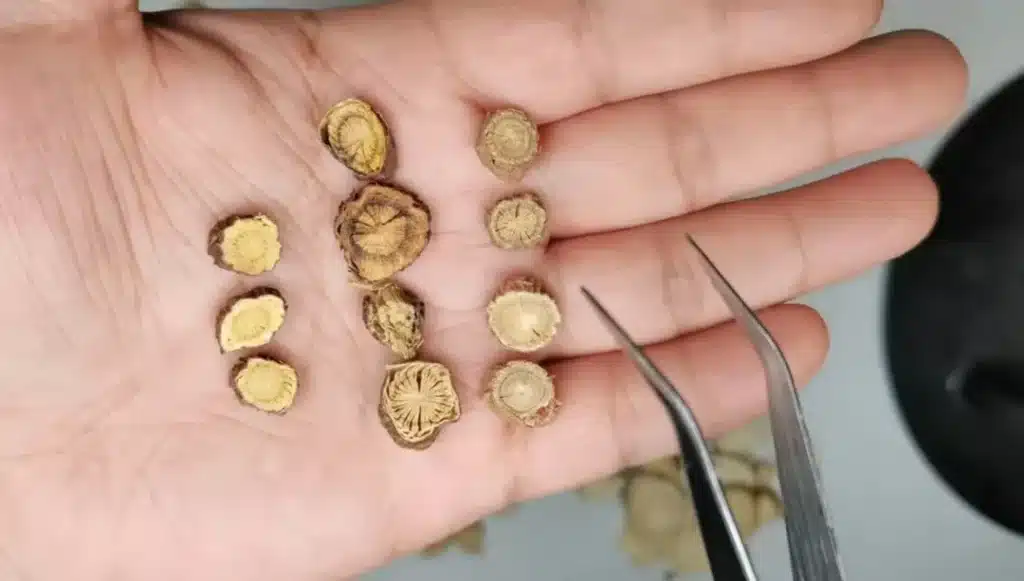
Counterfeit / Spurious Material: Post‑extraction licorice residue
These are licorice roots whose active ingredients have already been chemically extracted. Slices look dull on cross‑section; the chrysanthemum‑pattern core turns off‑white. They lack powder content, show heavy wrinkled bark, strong fibrous texture and excessive woody‑chaff character. (Shown in the four pieces on the right column of the reference picture)
Inferior‑grade licorice
Large‑sized head slices of Glycyrrhiza inflata tend to darken easily; large slice size alone does not guarantee good quality. Material containing rotten pieces or sulfur‑fumigated slices ranks as inferior grade.




呢篇文章真係好實用!我平時煲湯買甘草都淨係識睇粗幼,原來要分野生、種植同假貨,仲要睇皮色同粉質。以後買就知點揀,唔使怕畀人呃。多謝分享!
감초 종류 구분하는 법 정말 유용하네요. 특히 야생과 재배, 가짜까지 구별하는 기준이 자세해서 좋았습니다. 평소에 감초 차를 자주 끓여 마시는데, 앞으로는 껍질 상태나 모양도 꼼꼼히 확인해야겠어요. 좋은 정보 감사합니다!
Que artigo útil! Sempre achei que alcaçuz era só alcaçuz, mas saber diferenciar o silvestre do cultivado e os falsificados faz toda a diferença. O detalhe das espécies botânicas me surpreendeu. Vou prestar muito mais atenção na casca e no pó da próxima vez