
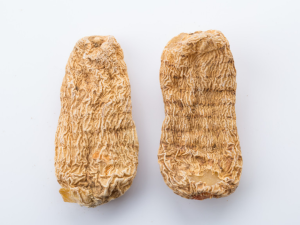
Gastrodia elata is globally famous for relieving vertigo, soothing nerves and protecting cerebral blood vessels, yet wild Gastrodia elata and artificially cultivated Gastrodia elata display tremendous gaps in safety risks, pollutant exposure, pharmacological stability and legal compliance, making standardized cultivated Gastrodia elata the safer choice for daily oral intake, skincare raw material application and long-term health care.
1. Heavy Metal & Environmental Contamination Risk (Core Safety Gap)
Wild Gastrodia elata (Higher Pollution Risk)
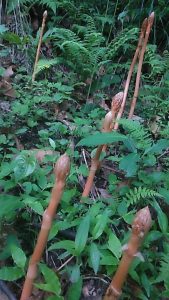
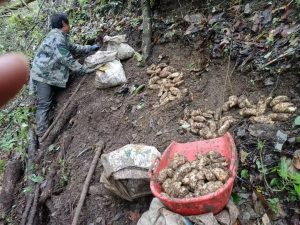
Wild Gastrodia elata grows randomly in mountain forest humus soil, mountain runoff, decaying fallen leaves and wild animal excrement cause uncontrollable soil heavy metal accumulation (cadmium, lead, arsenic, mercury). Wild Gastrodia elata has strong heavy metal bioaccumulation capacity, and long growth cycles (3–7 years) allow continuous enrichment of toxic heavy metals inside tubersResearchGa….
- Mountain soil near abandoned mines, roadside woodland, wild garbage zones often leads wild Gastrodia elata to exceed national medicinal herb heavy metal limits;
- Pollution levels vary drastically by picking location: wild Gastrodia from different mountains has inconsistent heavy metal content, unable to meet unified safety standards.
Cultivated Gastrodia elata (Controllable & Low Pollution)
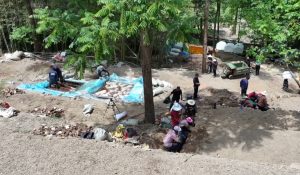
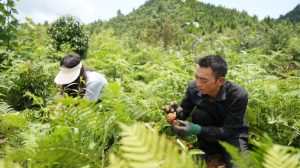
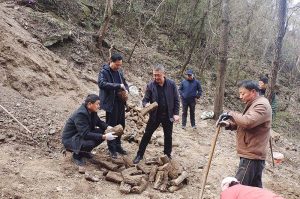
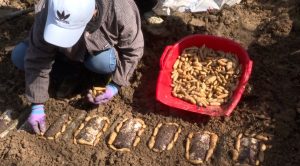
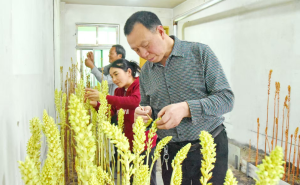
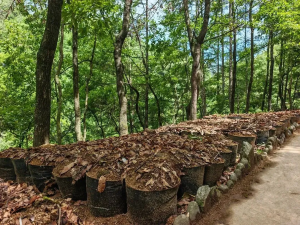
Formal planting bases select pollution-free forest soil, test soil heavy metals before cultivation, and avoid industrial polluted land entirely. Most standardized plantations adopt simulated wild under-forest cultivation, controlling growth cycles at 2–3 years to limit heavy metal enrichment time.
Domestic food safety standards (DBS52/060—2026) strictly limit Pb ≤1.0 mg/kg, Cd ≤1.0 mg/kg, As ≤0.5 mg/kg for cultivated Gastrodia elata, and qualified products pass third-party heavy metal testing before entering the market, with pollution risks far lower than wild varieties.
2. Pesticide & Microbial Safety
Wild Gastrodia elata
No artificial pest control, wild tubers easily infect tuber rot fungi, parasitic bacteria and soil parasites underground. Many wild Gastrodia develop invisible mildew inside tubers that cannot be identified by naked eyes; rotten wild Gastrodia produces mycotoxins, triggering stomach pain, diarrhea after eating.
Wild Gastrodia never receives pesticide treatment, but natural fungal infection and mold contamination become hidden safety hazards instead.
Cultivated Gastrodia elata
Legal plantations use biological pest prevention (mite control, bacteria inhibition) instead of high-toxic pesticides, complying with GB 2763 pesticide residue standards for medicinal plants. Growers regularly inspect tubers to remove moldy, diseased individuals during harvesting and processing, greatly lowering mold and microbial contamination probability.
Only inferior bulk cultivated Gastrodia from unregulated small workshops may have excessive pesticide residues, which can be avoided by checking inspection reports.
3. Toxicity & Pharmacological Stability Risk
- Wild Gastrodia elata: Unstable potency & easy overdose adverse reactions Wild Gastrodia grows unevenly due to unstable natural nutrition, gastrodin content fluctuates wildly (0.2–1.2 g/kg). Some old wild Gastrodia accumulates ultra-high gastrodin, which amplifies hypotensive and sedative effects; ordinary adults eating wild Gastrodia casually are prone to severe drowsiness, hypotension dizziness, limb weakness. In addition, wild mountain roots resembling Gastrodia elata (toxic pokeweed root, poisonous orchid tubers) are frequently mispicked as wild Gastrodia elata, causing poisoning incidents such as vomiting, organ damageISO.
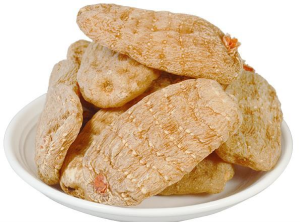
- Cultivated Gastrodia elata: Balanced active ingredients, milder & safer High-quality cultivated Gastrodia has stable gastrodin content (0.41–2.28 g/kg), with average effective ingredient levels even exceeding wild Gastrodia of the same growing years under optimized cultivation techniques. Pharmacological strength is uniform and moderate, matching the safe daily dosage of 3–10g for human consumption; standardized cultivated Gastrodia rarely causes excessive sedation or sudden blood pressure drop under normal eating habits.
4. Sulfur Fumigation & Processing Safety
- Wild Gastrodia scattered in the market mostly undergoes irregular sulfur smoking by private vendors to preserve shape and cover mildew spots; excessive sulfur dioxide residues irritate the digestive tract and damage liver function.
- Regular cultivated Gastrodia factories adopt low-temperature air-drying processing without sulfur fumigation, sulfur dioxide residues fully meet international cosmetic and medicinal ingredient standards, suitable for oral consumption and skincare extract production alike.
5. Legal Safety Risk of Wild Gastrodia elata
Wild Gastrodia elata is listed as Class II protected wild plant in China. Unlawful digging, trading, purchasing wild Gastrodia elata violates wild plant protection laws and bears legal liabilities. Most “wild Gastrodia elata” sold online are sulfur-fumigated cultivated counterfeits, bringing both legal and health risks to buyers.
6. Application Safety Difference (Oral + Skincare Field)
Oral Health Care
✅ Cultivated Gastrodia elata: recommended for daily dizziness relief, menopausal conditioning, auxiliary blood pressure care, intermittent edible cycle safe for long-term maintenance.
❌ Wild Gastrodia elata: only usable for targeted severe vertigo under TCM doctor prescription, prohibited for daily health tonic use due to unstable toxicity risk.
Skincare Raw Material (Gastrodia elata extract)
Cultivated Gastrodia elata extract is the mainstream cosmetic raw material globally; raw materials pass microbial and heavy metal testing before extraction, non-irritating for sensitive skin after making essence and mask additives.
Wild Gastrodia extract cannot be used for skincare: uncertain heavy metal and mycotoxin content easily leads to skin allergy, long-term transdermal heavy metal accumulation risk.
7. Final Safety Conclusion
- In terms of physical safety (heavy metal, mold, poisoning probability): cultivated Gastrodia elata > wild Gastrodia elata; high-quality under-forest cultivated Gastrodia achieves both efficacy and safety.
- Wild Gastrodia only has the theoretical advantage of longer growth years, yet uncontrollable pollution, mold risk and legal restrictions make it unsuitable for daily use.
- For hypertensive crowds, pregnant women, sensitive skin groups and long-term users, certified cultivated Gastrodia elata with test reports is the only safe choice.
تعليق:
مقال مهم! فعلاً الفرق بين الجاستروديا البرية والمزروعة أكبر مما يتخيل الكثيرون. المشكلة إن البعض يعتقد أن “البرية” تعني الأفضل دائماً، لكن التلوث البيئي والمبيدات يجعلانها خطراً حقيقياً. أنا شخصياً أفضل المنتجات المزروعة بشكل موحد لأنها تخضع لمراقبة الج
Interesting read! I’ve always assumed wild herbs were better, but the point about pollutant exposure really makes sense. Cultivated varieties are at least tested and consistent. For daily use, I’d rather know exactly what I’m putting in my body. Thanks for breaking down the risks so clearly—definitely making me rethink my supplement choices
Interesting read! I used to think wild herbs were always superior, but this makes total sense. The variability in pollutants and legal issues is a real concern, especially for something taken daily. I’ll definitely stick to standardized cultivated Gastrodia for my nerve-soothing tea. Thanks for breaking down the safety gap so clearly!
مقال رائع! فعلاً الفرق بين الطبيعي والمزروع كبير جداً، وخاصة من ناحية السلامة. أنا شخصياً أفضل المنتجات المزروعة تحت معايير موحدة لأنها تضمن نقاءً وفعالية أفضل، خصوصاً عند الاستخدام اليومي. شكراً على التوضيح المهم!