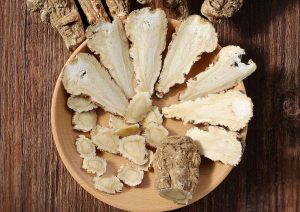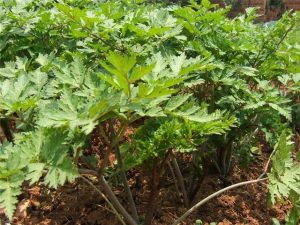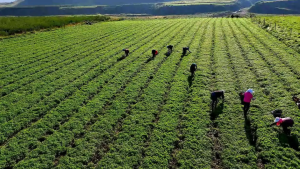
Min County, Dingxi, Gansu, reputed as the Hometown of Chinese Dong Quai, is globally acknowledged as the ideal natural habitat for Dong Quai.
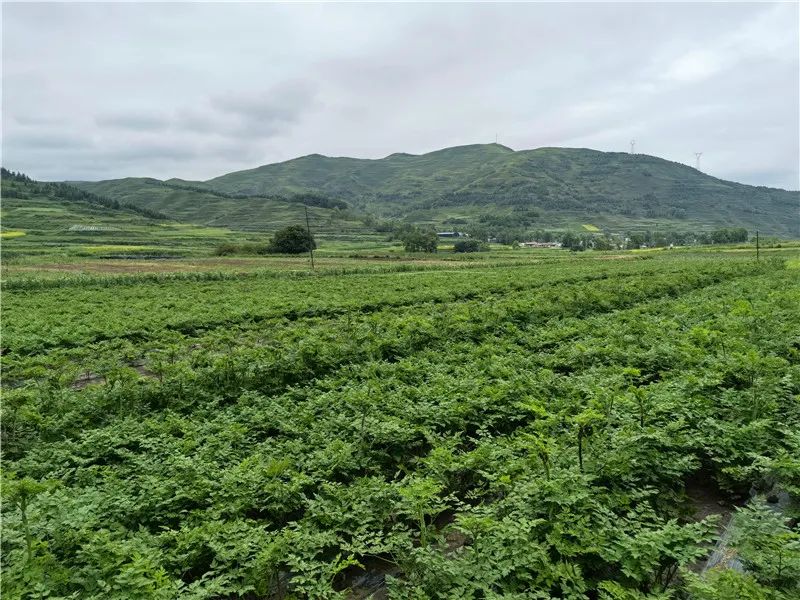
Situated at the convergence of the Loess Plateau, Qinghai-Tibet Plateau and West Qinling Mountains, it perfectly satisfies all rigorous ecological demands of Dong Quai cultivation. Min County Dong Quai holds National Geographical Indication protection and is listed in the China-EU GI Mutual Recognition Catalogue. For over 1,700 years, this region has delivered premium authentic Min Gui with rich active constituents, earning its reputation as the world’s prime origin of Dong Quai.
1. Unique Alpine Terroir (Why Min County Is Unmatched for Dong Quai)
Dong Quai favors cool, moist highland conditions; hot lowland environments easily trigger premature bolting and inferior roots. Min County’s natural conditions match its biological needs flawlessly:
- Optimal altitude & climate Elevation ranging from 2,000 m to 3,000 m, typical cold and humid alpine climate with striking day-night temperature differences. The slow growth cycle extends the accumulation window for ferulic acid, volatile oil, ligustilide and polysaccharides.
- Fertile deep mountain soil Thick black loam and brown humus soil, loose, well-drained and abundant in organic matter and trace minerals, allowing Dong Quai taproots to stretch fully and develop plump, oily rhizomes.
- Clean pollution-free environment Limited industrial activity across mountain planting zones. Pristine mountain water ensures naturally green growing conditions, meeting organic herbal production criteria.
Dong Quai requires a full 3-year growth cycle to reach medicinal maturity. The mild, prolonged growing rhythm in Min County prevents rapid, low-quality growth common in warmer regions.
2. Distinct Quality Advantages of Min Gui
- High levels of volatile oil and ferulic acid, exceeding specifications laid down in Chinese Pharmacopoeia.
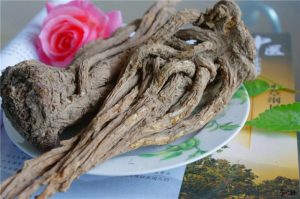
- Thick, solid roots, high oil content and intense, pure herbal aroma.
- Processed via traditional low-sulfur techniques, sulfur residues remain far below international limits.
- Multiple standardized demonstration fields obtain organic certification, compliant with export standards for herbal markets in Europe, North America and Southeast Asia.
3. Standardized Ecological Cultivation System
Min County combines innate geographical strengths with scientific farming standards:
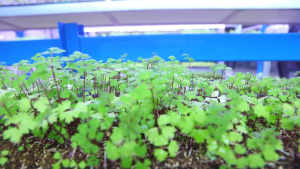
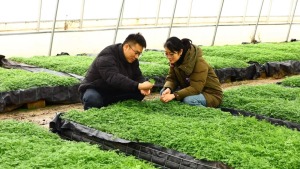
- Purified improved seedlings (MinGui No.1–No.6) are promoted uniformly to stabilize germplasm quality.
- Scientific crop rotation implemented to relieve continuous cropping obstacles and reduce soil-borne diseases.
- Green field management prioritizing organic fertilizer; banned agrochemicals are strictly restricted.
- Full lifecycle QR traceability paired with Authorized Geographical Indication supervision to prevent counterfeit non-origin Dong Quai.
- Partial base plots adopt international GAP guidelines for standardized medicinal herb production.
4. Industrial Scale & Official Credentials
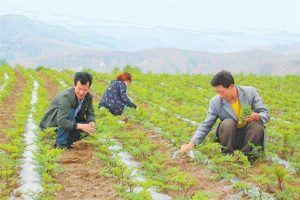
The total planting area of Dong Quai in Min County exceeds 270,000 mu, with authorized GI demonstration bases distributed across 18 townships within the protected origin zone.
Adopting the model: Leading Enterprise + GI Herb Base + Cooperatives + Farmers, the local industry drives tens of thousands of households to achieve stable income growth.
Backed by cross-border GI recognition, Min County Dong Quai enjoys independent import & export qualifications and supplies authentic raw materials to global TCM and wellness brands.
Conclusion
Blessed with one-of-a-kind alpine geography, climate and soil, Min County, Gansu fully meets every growth requirement of Dong Quai, justifying the title Best Place to Grow Dong Quai. Combining traditional farming heritage, ecological rotational cultivation and rigorous GI quality control, Min County remains the benchmark Daodi Dong Quai producing region trusted worldwide.