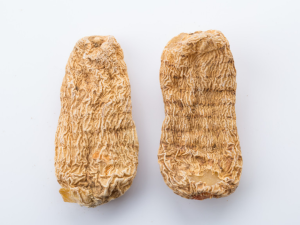
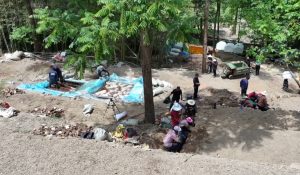
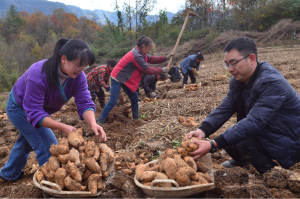
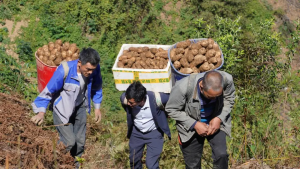
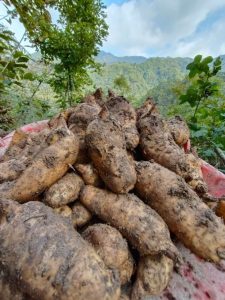
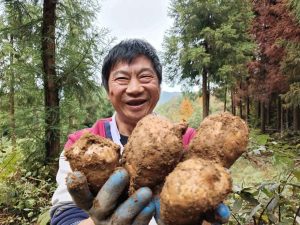
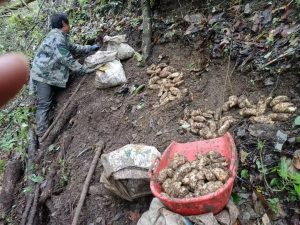
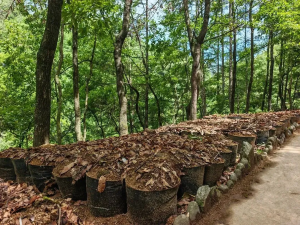
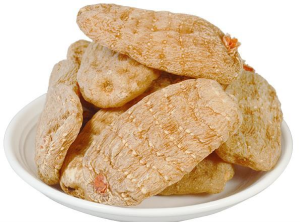
Wild Gastrodia elata is on the verge of depletion, and 90 percent of the “wild” products on the market are actually farm-grown. Yiliang Wu Gastrodia elata, cultivated under forest canopies in the Wumeng Mountains using semi-wild methods, grows naturally in pristine mountain forests. Its quality rivals that of wild Gastrodia elata, and the plump, firm winter harvest is superior to the spring harvest.
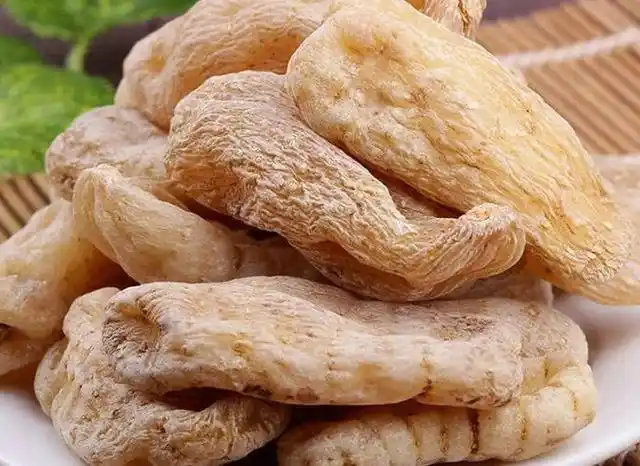
1.Wild Gastrodia elata resources are on the verge of depletion, and wild specimens are extremely rare
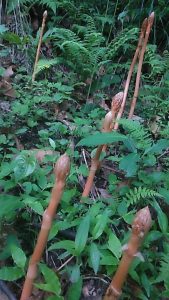
According to our current survey, wild Gastrodia elata is now found only in small quantities in China’s Northeast Changbai Mountains region, the Shennongjia region of Hubei, the Wumeng Mountains, and certain mountainous areas of Sichuan (such as Danba, Leibo, and Pingwu). Production in Danba, Sichuan, is slightly higher, reaching over 100 kilograms; elsewhere, it is occasionally found in mountain forests, where it is either used for personal consumption or sold locally, with only a portion entering the market.
2.The “wild Gastrodia elata” sold at high prices in tourist attractions, herbal medicine markets, and e-commerce platforms is generally not wild.
It is very common for e-commerce platforms, tourist attractions, herbal medicine markets, and market vendors to sell “wild Gastrodia elata,” but this so-called “wild Gastrodia elata” is actually farm-grown. Those familiar with Gastrodia elata can easily tell the difference, but ordinary consumers cannot.
3.Cultivated Gastrodia elata Is of High Quality; There Is No Need to Overemphasize Wild Gastrodia elata
It is commonly believed that wild Gastrodia elata is of higher quality than cultivated Gastrodia elata. While this view holds true for many authentic medicinal herbs, it is not necessarily the case for Gastrodia elata.
On the one hand, wild Gastrodia elata resources are nearly depleted and cannot meet demand, making the replacement of wild with cultivated varieties an inevitable trend. On the other hand, wild Gastrodia elata can only be located and harvested when it sprouts; most specimens harvested at this stage are shriveled, and it is difficult to precisely control the optimal harvest time. In contrast, cultivated Gastrodia elata allows growers to accurately locate the tuber sites, preventing nutrient depletion caused by sprouting, and enabling the harvesting of plump, firm winter tubers with superior appearance and quality.
Cultivated Gastrodia elata—especially that grown under a semi-wild model in forest understories—is cultivated in the same environment as wild Gastrodia elata using wild seed stock, resulting in quality comparable to that of wild Gastrodia elata. Therefore, high-quality cultivated Gastrodia elata is a reasonable choice; however, due to differences in cultivated varieties, origin, and processing methods, the quality of cultivated Gastrodia elata can vary.
Wild Gastrodia (Gastrodia elata) is a Class II protected wild plant in China. Illegally harvesting or selling wild Gastrodia is a criminal offense, and international trade in wild Gastrodia is prohibited.