
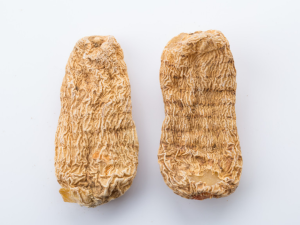
Gastrodia elata is a widely used medicinal herb with neuroprotective, anti-inflammatory, and immunomodulatory properties, making it both a potential supportive remedy and a high-precaution herbal option for people living with autoimmune diseases. Unlike ordinary health herbs, Gastrodia elata delivers dual effects on the human immune system: it can relieve autoimmune-related nerve inflammation, migraine, and insomnia, yet improper long-term or high-dose intake may disrupt immune balance and trigger disease flare-ups in sensitive autoimmune patients. For this reason, autoimmune disease patients cannot use Gastrodia elata for daily casual health care and must follow strict supervised usage rules to avoid worsening chronic immune inflammation.
Immunomodulatory Mechanism of Gastrodia Elata (Key for Autoimmune Patients)
Modern pharmacological studies confirm that Gastrodia elata’s core active ingredients, including gastrodin and parishin, exert bidirectional immune regulation. For overactive immune responses—the core pathological feature of autoimmune disorders—Gastrodia elata can suppress excessive inflammatory factor release, reduce neuroinflammation, and alleviate immune-mediated nerve damage. Meanwhile, Gastrodia elata polysaccharides mildly activate immune cell activity, which creates potential risks for patients with unstable autoimmune conditions. This bidirectional regulation explains why Gastrodia elata helps some autoimmune symptoms but triggers flare-ups in others.
Additionally, Gastrodia elata improves microcirculation, reduces vascular inflammatory damage, and relieves stress-induced nervous system disorders, which are common triggers for autoimmune disease recurrence. It also calms chronic insomnia and anxiety, two major factors that aggravate immune system imbalance in autoimmune patients.
Safe Benefits of Gastrodia Elata for Autoimmune Disease Patients
When used correctly under professional guidance, Gastrodia elata provides targeted supportive relief for common autoimmune complications without disrupting stable immune control:
1. Relieves autoimmune neuroinflammation
Many autoimmune diseases, including rheumatoid arthritis, lupus, Sjögren’s syndrome, and multiple sclerosis, cause chronic nerve inflammation, persistent migraine, dizziness, and limb numbness. Gastrodia elata effectively reduces neural inflammatory infiltration, alleviates immune-induced nerve pain and vertigo, and improves abnormal nerve sensory symptoms.
2. Calms stress-induced immune activation
Chronic stress and poor sleep are leading causes of autoimmune flare-ups. The sedative and anxiolytic effects of Gastrodia elata stabilize the nervous system, reduce stress hormone secretion, and indirectly lower the risk of immune system overactivation, helping patients maintain long-term disease stability.
3. Reduces secondary vascular inflammation
Autoimmune patients often suffer from vascular endothelial inflammation and poor blood circulation. Gastrodia elata dilates microvessels, improves blood perfusion, and reduces inflammatory vascular damage, relieving fatigue and cold limb symptoms caused by chronic immune inflammation.
Potential Risks of Gastrodia Elata for Autoimmune Disease
The biggest hidden danger of Gastrodia elata for autoimmune patients is unpredictable immune fluctuation, which is ignored in ordinary health usage guidelines. Unscheduled or long-term daily intake may lead to disease recurrence or aggravated inflammation.
1. Immune balance disruption (core risk)
Gastrodia elata polysaccharides can moderately boost immune cell activity. For patients with autoimmune diseases in an active flare state, enhanced immune function will further amplify self-immune attacks on body tissues, worsening joint pain, skin rashes, organ inflammation, and systemic fever. This is the primary reason why active-stage autoimmune patients must avoid Gastrodia elata.
2. Increased allergy and inflammatory sensitivity
Autoimmune patients generally have allergic and inflammatory constitutions. Gastrodia elata may induce mild allergic reactions such as skin itching and erythema, which can be mistaken for autoimmune disease flare-ups, interfering with condition judgment and treatment adjustment. Sulfur-fumigated or wild Gastrodia elata carries higher irritant risks and will definitely aggravate immune inflammation.
3. Drug interaction risks with autoimmune medications
Most autoimmune patients take long-term immunosuppressants, hormones, or biological agents. Gastrodia elata’s sedative, vasodilatory, and anti-platelet effects may interact with these drugs: it may amplify immunosuppressant side effects, cause excessive drowsiness, hypotension, or increased bleeding tendency, and affect drug metabolism stability.
Autoimmune Disease Stages: Clear Safe & Forbidden Usage
1. Active flare stage (Strictly Forbidden)
When patients have obvious symptoms such as joint swelling and pain, skin lesions, persistent fever, organ inflammation, and elevated inflammatory markers, Gastrodia elata is completely prohibited. Its immune-modulating properties may intensify immune disorders and prolong the active inflammatory period.
2. Stable remission stage (Conditionally Safe)
For patients with stable conditions, no obvious inflammation, and normal immune indicators, low-dose intermittent use of Gastrodia elata is allowed to relieve intractable migraine, insomnia, and nerve numbness. No daily continuous long-term use is permitted.
Standard Safe Usage Rules for Autoimmune Patients
To avoid immune fluctuation and side effects, autoimmune patients must follow exclusive usage standards for Gastrodia elata, different from ordinary healthy people:
1. Strict dosage control
Daily safe dosage is limited to 2–3g of high-quality sulfur-free cultivated Gastrodia elata, half the dose of ordinary health care use. Never exceed 3g per day, and wild Gastrodia elata is absolutely forbidden due to unstable active ingredients and heavy metal contamination.
2. Intermittent cyclic administration only
Adopt the safe cycle: Take for 10 consecutive days, stop for 7 days. Continuous intake shall never exceed 10 days to prevent cumulative immune regulation effects from breaking body balance. Total annual cyclic use time should be minimized.
3. Mandatory professional consultation
Patients must inform their rheumatologist or immunologist before taking Gastrodia elata. It is necessary to confirm compatibility with immunosuppressive drugs and rule out flare risk before use. Self-administration is strictly prohibited.
4. Real-time condition monitoring
Stop using Gastrodia elata immediately if new symptoms appear, including joint soreness, skin itching, fatigue, low-grade fever, or aggravated sleep disorders, as these signal immune system fluctuation.
5. Avoid combined irritant herbs
Do not combine Gastrodia elata with other immune-stimulating herbs to prevent superimposed immune activation and disease recurrence.
Special Crowd Restrictions (Autoimmune Subgroups)
- Lupus, Sjögren’s syndrome patients: Extremely sensitive to immune fluctuations; only ultra-short low-dose use is allowed under strict monitoring.
- Rheumatoid arthritis patients: Can use Gastrodia elata in remission stage to relieve nerve and joint pain, forbidden during joint swelling flare-ups.
- Autoimmune encephalomyelitis, multiple sclerosis patients: Allowed short-term use for neuroprotective effects, strictly prohibited from long-term maintenance use.
- Autoimmune patients with hypotension, liver and kidney damage: Basically avoid Gastrodia elata to prevent superimposed organ burden and hypotension risks.
Conclusion
Gastrodia elata is not a universal health herb for autoimmune patients; it is a conditional symptomatic herbal remedy with both anti-inflammatory benefits and immune fluctuation risks. In stable remission stages, low-dose intermittent use of qualified sulfur-free cultivated Gastrodia elata safely relieves autoimmune-related nerve pain, migraine, and insomnia without triggering flare-ups. However, active-stage patients, long-term daily users, and those using wild or sulfur-fumigated Gastrodia elata face obvious safety hazards. All autoimmune patients must abandon blind long-term health use and follow supervised short-cycle low-dose administration to ensure immune stability and physical safety.










Interesting read! I’ve been looking into herbal support for my own autoimmune condition, and Gastrodia elata keeps coming up. The dual effect you mention is fascinating—it’s reassuring to know it can help modulate the immune system, but the
บทความมีประโยชน์มากค่ะ เคยได้ยินว่าหัวเหมย (Gastrodia elata) ดีต่อระบบประสาท แต่ไม่รู้มาก่อนว่ามีผลต่อภูมิคุ้มกันด้วย สำหรับคนเป็นโรคภูมิแพ้ตัวเองแบบนี้ต้องระวังเป็นพิเศษจริงๆ แล้วถ้าจะใช้ควรเริ่มจากปริมาณเท่าไหร่ดีคะ? ขอบคุณสำหรับ