
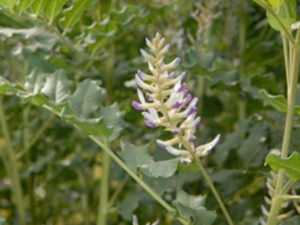
No, licorice root and DGL are not the same. DGL is a modified, specialized form of licorice root with key active compounds removed for safety. As a herbal pharmacist, this is the most critical distinction every licorice user must understand. While both come from the exact same Glycyrrhiza glabra plant, their processing, active ingredients, health benefits, side effect risks, and ideal use cases are drastically different. Confusing regular licorice root with DGL is the #1 reason users experience unnecessary side effects or fail to get desired healing results.
In short: Regular licorice root = full-spectrum hormone & adrenal support (needs cycling). DGL = gut-only healing, side-effect-free, long-term safe.
Disclaimer: This article is for educational wellness reference only, not medical advice. Always match your licorice type to your health goal to avoid ineffective use or safety risks.
Core Definition Difference
1. Regular Full-Spectrum Licorice Root
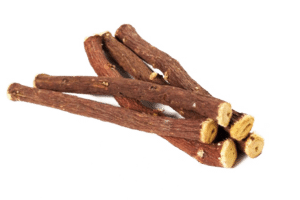
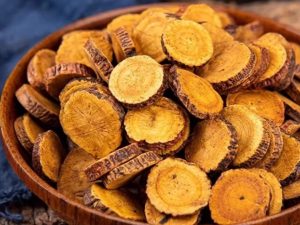
This is the raw, minimally processed or standardized whole licorice root. It retains 100% of natural plant compounds, including glycyrrhizin, flavonoids, saponins, and phytoestrogen components. It is the complete, unaltered herbal form used for systemic whole-body wellness support.
Primary strengths: Adrenal fatigue recovery, cortisol regulation, sore throat relief, upper respiratory inflammation, mild hormone balancing, anti-stress support.
2. DGL (Deglycyrrhizinated Licorice)
DGL is a heavily processed, targeted licorice extract. During manufacturing, 90–95% of glycyrrhizin is chemically removed. Glycyrrhizin is the compound responsible for licorice’s blood pressure, electrolyte, and hormonal side effects. After processing, only the gut-healing anti-inflammatory flavonoids remain.
Primary strengths: Stomach ulcer repair, acid reflux relief, gastritis healing, intestinal barrier repair, chronic digestive inflammation.
Real Client Case: Mixing Up Licorice Types Caused Failed Treatment
This is an extremely common mistake I correct in daily pharmacist consultations:
A 33-year-old client suffered from chronic acid reflux and mild gastritis. She purchased regular full-spectrum licorice capsules and took them daily for 8 weeks straight without cycling. Instead of healing her gut, she developed mild bloating, slight ankle edema, and no improvement in her reflux symptoms.
After review, I identified her core error:she used adrenal-support licorice for gut healing. Regular licorice is not optimized for digestive repair and causes cumulative side effects with long-term use. I switched her to chewable DGL before meals. Within 2 weeks, her reflux resolved, and her water retention faded completely.
This case proves the two licorice forms are not interchangeable—each is engineered for completely different wellness goals.
Side-by-Side Pharmacist Comparison
| Feature | Regular Licorice Root | DGL Licorice |
|---|---|---|
| Glycyrrhizin Content | Full natural levels | 90–95% removed |
| Best For | Adrenal fatigue, stress balance, sore throat, respiratory support, hormone modulation | Reflux, heartburn, gastritis, stomach ulcers, gut barrier repair |
| Long-Term Use | Not safe non-stop; requires 4–6 week cycling | 100% safe for continuous daily use |
| Side Effect Risks | High blood pressure, low potassium, fluid retention if overused | Virtually no systemic side effects |
| Hormonal Effects | Mild phytoestrogen & cortisol-modulating effects | Zero hormonal or adrenal effects |
| Medication Interactions | Multiple drug interactions (heart, BP, blood thinners) | No meaningful medication interactions |
Why You Cannot Swap Them
- DGL fails at adrenal support: Without glycyrrhizin, DGL cannot raise low cortisol, improve stress resilience, or balance adrenal function. Using DGL for fatigue or burnout yields zero results.
- Regular licorice fails at long-term gut healing: Ulcers and gastritis require 6–8 weeks of continuous daily treatment. Regular licorice cannot be used safely for this duration due to glycyrrhizin buildup.
- Flavor difference: Regular licorice tastes sweet, aromatic, and earthy. DGL tastes blander and less sweet due to glycyrrhizin removal.
Pharmacist Quick Selection Rule
- Fatigue, stress, burnout, sore throat, hormone balance → Choose regular licorice root (cycle usage)
- Reflux, heartburn, ulcers, gastritis, leaky gut → Choose DGL licorice (use continuously)
FAQs (Licorice Root vs. DGL)
Q: Is DGL just “weakened licorice”?
A: No. DGL is specially processed to remove only the risky glycyrrhizin while preserving all gut-healing flavonoids. It is not weaker—it is targeted for digestive health.
Q: Can I use regular licorice tea instead of DGL for reflux?
A: Not recommended. Tea cannot be used long enough for full gut healing and carries cumulative side effect risks.
Q: Does DGL help with adrenal fatigue?
A: No. DGL has no adrenal or cortisol-balancing benefits whatsoever.
Q: Which one is safer overall?
A: DGL is far safer for long-term daily use. Regular licorice is safe only with strict cycling protocols.
Q: Can pregnant people use DGL?
A: All licorice forms are avoided in pregnancy per obstetric guidelines, even DGL, due to limited fetal safety data.
Final Pharmacist Verdict
Licorice root and DGL are not the same and are not interchangeable. Regular full-spectrum licorice root is a systemic herbal tonic for adrenal stress, respiratory relief, and hormone balance, requiring careful cycling to avoid side effects. DGL is a specialized gut-healing licorice variant with glycyrrhizin removed, making it safe for long-term digestive repair with zero systemic risks. Choosing the correct form is mandatory for effective, safe results—use regular licorice for energy/stress support and DGL exclusively for stomach and intestinal healing.



Great breakdown! I’ve been using licorice root tea for gut issues, but now I realize I may have been doing more harm than good over time. DGL sounds like the safer route for daily support. This is exactly the kind of
Sehr aufschlussreich! Als jemand, der früher immer normale Lakritzwurzel bei Magenproblemen genommen hat, wusste ich nicht, dass DGL eine extrahierte, sicherere Variante ist. Genau dieser Unterschied zwischen dem entzündungshemmenden Glycyrrhizin und dem Lohn für die Schleimhaut hätte mir damals ge