
Bronchitis is a common respiratory condition characterized by inflammation of the bronchial tubes, often triggered by viral infections, bacterial irritation, cold exposure, smoking, or airborne irritants. Typical symptoms include persistent productive cough with mucus, chest congestion, wheezing, chest tightness, and prolonged post-illness coughing. As a classic respiratory herbal remedy with potent anti-inflammatory, expectorant, and lung-soothing properties, licorice root (Glycyrrhiza glabra) targets inflamed bronchial tissues, clears stubborn mucus, and reduces bronchial spasms. It is widely used as a natural supportive treatment for acute bronchitis and lingering bronchial inflammation. This article covers its core working mechanisms, bronchitis-specific benefits, correct dosage protocols, and essential safety guidelines.
1. How Licorice Root Helps Bronchitis (Core Mechanisms)
Unlike general cough relief herbs, licorice root specifically acts on the bronchial lining and respiratory tract to address the root inflammation and congestion caused by bronchitis:
Reduces Bronchial Inflammation & Swelling
Bronchitis is fundamentally an inflammatory condition that swells the bronchial lining, narrowing airways and causing tightness and wheezing. Glycyrrhizic acid and flavonoids in licorice root deliver strong systemic anti-inflammatory effects, suppressing inflammatory cytokines in bronchial tissues. This reduces airway swelling, relieves chest tightness, and restores normal respiratory airflow.
Powerful Expectorant Effect (Clears Mucus Congestion)
A hallmark symptom of bronchitis is thick, sticky, trapped bronchial mucus that leads to constant coughing and congestion. Licorice root thins viscous phlegm, reduces mucus stickiness, and stimulates gentle bronchial peristalsis. This promotes the natural expulsion of residual mucus from the lower respiratory tract, eliminating the persistent wet cough caused by accumulated secretions.
Soothes Irritated Bronchial Mucosa
Persistent coughing during bronchitis scratches and damages the delicate bronchial lining, leading to lingering sensitive cough that lasts weeks after infection improves. Licorice’s natural mucilage forms a protective soothing layer over inflamed bronchial mucosa, reducing nerve irritation, calming bronchial hyperreactivity, and accelerating mucosal tissue repair.
Antiviral & Antibacterial Defense
Most acute bronchitis cases stem from viral respiratory infections, with secondary mild bacterial irritation common in prolonged cases. Licorice root inhibits the replication of common respiratory pathogens, reduces local microbial activity in the bronchial tract, and prevents mild acute bronchitis from progressing into chronic inflammation or secondary lung congestion.
2. Key Bronchitis-Specific Benefits
- Clears chest congestion and stubborn mucus: Thins thick bronchial phlegm to relieve wet, productive cough and heavy chest sensation typical of acute bronchitis.
- Eases wheezing and airway tightness: Reduces bronchial inflammation and swelling, opening narrowed airways to improve breathing and reduce wheezing.
- Stops lingering post-bronchitis cough: Calms sensitive, inflamed bronchial lining to resolve the dry, tickly residual cough that often persists for weeks.
- Supports faster respiratory recovery: Repairs damaged bronchial mucosa and reduces inflammation duration, shortening the overall recovery period of acute bronchitis.
- Relieves exercise/irritant-triggered cough: Reduces bronchial hyperreactivity caused by inflamed airways, preventing cough flares from cold air, dust, or mild physical activity.
3. Optimal Dosage & Usage for Bronchitis
Bronchitis involves lower respiratory tract inflammation, requiring consistent short-term usage for best results. The following targeted protocols support bronchial recovery effectively and safely:
Warm Licorice Root Tea (Daily Congestion Relief)
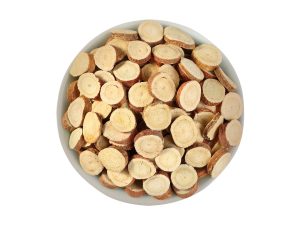
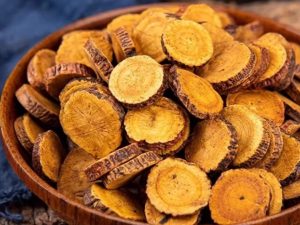
Steep 3–5 grams of dried licorice root slices in 250ml boiling water for 15 minutes. Sip warm slowly 2–3 times daily. Do not exceed 10g total daily. Slow warm sipping allows active ingredients to penetrate bronchial tissues, soothe inflammation, and loosen mucus buildup. Consistent daily use reduces cough frequency and chest congestion significantly.
Standardized Licorice Extract (Moderate to Severe Bronchitis)
For obvious chest tightness, heavy mucus, and persistent wheezing, take 250–400mg standardized licorice root extract daily, split into two morning and evening doses. Concentrated extract delivers steady anti-inflammatory and expectorant effects for deeper lower respiratory relief.
Synergistic Herbal Pairings for Bronchitis
Licorice root pairs excellently with lung-supporting herbs to enhance bronchitis recovery. Combine with mulberry leaf and loquat leaf for heat-type bronchitis with yellow phlegm, with marshmallow root for severe dry bronchial irritation, or with ginger for cold-type congestive bronchitis. These blends accelerate mucus clearance and reduce airway inflammation more effectively than single herb use.
4. Critical Safety Rules & Contraindications
Licorice root is safe for acute bronchitis recovery when used properly, but targeted safety limits must be followed to avoid side effects:
Short-Term Acute Use Only
Use licorice root for bronchitis symptom relief for no more than 10 consecutive days. Bronchitis is an acute inflammatory condition, and prolonged continuous intake can cause glycyrrhizic acid accumulation, leading to fluid retention, elevated blood pressure, or low potassium levels. Discontinue use once cough and congestion resolve.
High-Risk Groups (No Use / Cautious Use)
- Hypertension, heart disease, and kidney disorder patients: Licorice-induced water-sodium retention may worsen blood pressure and cardiac/kidney strain.
- Pregnant and breastfeeding women: Strictly prohibited due to systemic hormonal and physiological impacts.
- Diabetic individuals: Use cautiously, as natural sugars in licorice may interfere with blood sugar regulation.
- People with hypokalemia or muscle weakness: Licorice may accelerate potassium loss and aggravate physical fatigue and muscle cramps.
- Individuals with chronic lung conditions: Those with asthma or COPD should consult a doctor before use to avoid symptom interference.
Drug Interactions
Licorice root may interact with antihypertensive drugs, diuretics, cardiac medications, blood thinners, and corticosteroid treatments. Anyone on long-term prescription medications must seek medical advice before using licorice for bronchitis support.
5. Research Background
Modern pharmacological research validates licorice root’s powerful bronchoprotective effects. Glycyrrhizic acid and licorice flavonoids significantly inhibit bronchial inflammatory responses, reduce airway hyperreactivity, and increase mucus fluidity for easier excretion. Clinical studies confirm that short-term licorice supplementation reduces cough severity, wheezing, and chest congestion in patients with acute bronchitis, speeding up respiratory tract mucosal repair.
Final Summary
Licorice root is a reliable natural bronchial-soothing and expectorant herb ideal for acute bronchitis and post-bronchitis residual symptoms. It works by reducing lower airway inflammation, clearing trapped mucus, soothing irritated bronchial lining, and suppressing respiratory pathogens. Safe and effective use relies on short-term acute treatment, controlled daily dosage, and avoidance of high-risk groups. For severe bronchitis with high fever, persistent difficulty breathing, or chronic recurrent bronchitis, professional medical diagnosis and treatment are essential.




Interesting read! I’ve used licorice root tea for a stubborn cough before, and it did seem to soothe my throat, though I never knew the exact mechanism. The dosage notes are helpful—I’ll
甘草根、気管支炎に効くって本当なんだね。昔から咳止めに使われてたけど、仕組みや適量がわかると安心。ただ、長期摂取は血圧上がりそうだから注意が必要ってとこも大事。ウイルス性の咳が長引くタイプなんで、今度試してみようかな。もっと詳しい記事が読めるの楽しみにしてます!
甘草根、気管支炎に効くって聞いて試してみたくなりました。咳が長引くと本当に辛いので、自然な方法でケアできるのは心強いです。でも、用量や安全性について詳しく書いてあるのがいいですね。医師に相談してから使おうと思います。ありがとうございます!