
Licorice root is the raw medicinal herbal ingredient, while black licorice is a processed candy. As a herbal pharmacist, I find this is one of the most misunderstood distinctions among clients. Many people confuse the medicinal, wellness-focused licorice root supplement with sugary black licorice candy, assuming they work the same way and carry identical safety profiles. In reality, they differ drastically in purpose, potency, ingredients, dosage, and long-term health risks.
Only pure licorice root offers adrenal support, cortisol balance, gut repair, and anti-inflammatory benefits. Black licorice candy is a flavored treat with minimal therapeutic value and far higher safety risks for regular consumption.
Disclaimer: This article is for educational wellness reference only, not medical treatment. Black licorice overconsumption carries documented cardiac and electrolyte risks. Individuals with hypertension, heart issues, or kidney problems should limit or avoid black licorice candy entirely.
Core Definition Difference
1. Licorice Root (Medicinal Herb)
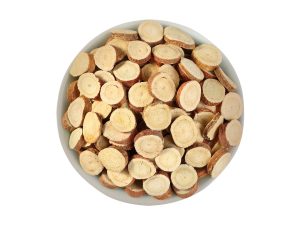
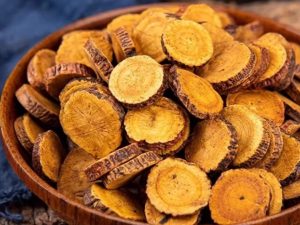
Licorice root is the dried, unprocessed or minimally processed root of the Glycyrrhiza glabra plant. It is a pure herbal ingredient formulated into standardized extracts, capsules, or tea for targeted wellness support. It contains concentrated active compounds including glycyrrhizin and anti-inflammatory flavonoids, designed for therapeutic use.
Its sole purpose is health support: repairing gut lining, balancing cortisol, healing adrenal fatigue, soothing coughs, and reducing systemic inflammation.
2. Black Licorice (Processed Candy)
Black licorice is a commercial confectionery product. Authentic black licorice contains small amounts of licorice root extract for signature flavor, plus large amounts of sugar, molasses, wheat flour, binders, and artificial colorings. Many mainstream black licorice candies even replace real licorice extract withanise oil for cheaper flavoring, containing almost no actual licorice root.
Its only purpose is taste and snack enjoyment, with zero intentional therapeutic benefits.
Real Client Case: Confusing Candy vs. Herbal Licorice
This is a frequent misconception case I resolve in daily consultations:
A 45-year-old client ate 2–3 pieces of black licorice candy daily for months, believing it was a “healthy herbal snack” to help his stress and digestion. He avoided licorice root supplements thinking candy was the milder, safer option. Over three months, he developed mild bloating, elevated blood pressure, and persistent headaches with no other dietary changes.
After assessment, I explained that sugary black licorice provides no health benefits, only cumulative glycyrrhizin exposure plus excess sugar stress. After stopping the candy entirely, his blood pressure and symptoms normalized within three weeks. This case proves that black licorice candy carries hidden risks without any of licorice root’s healing benefits.
Pharmacist Side-by-Side Comparison (Key Differences)
| Feature | Licorice Root (Herbal Supplement) | Black Licorice (Candy) |
|---|---|---|
| Primary Ingredients | Pure dried root or standardized extract | Sugar, molasses, flour, minor licorice extract/anise oil, food coloring |
| Glycyrrhizin Content | Controlled, standardized therapeutic dose | Unregulated, inconsistent, often low or artificial |
| Health Benefits | Adrenal support, cortisol balance, gut repair, anti-inflammation, cough relief | No proven therapeutic benefits |
| Health Risks | Safe with proper cycling; controlled dosage eliminates risks | Sugar overload, unmeasured glycyrrhizin buildup, blood pressure spikes, electrolyte imbalance |
| Usage Purpose | Medicinal, wellness, root-cause healing | Snack, flavor enjoyment only |
| Dosing Control | Precise daily dosage (200–400mg) with cycling rules | No dosing guidelines; easy accidental overconsumption |
Why Black Licorice Cannot Replace Licorice Root for Health
Many clients attempt to use black licorice candy for reflux, stress, or fatigue support—and it never works, for three key reasons:
First, most commercial black licorice uses anethole (anise flavor) instead of real licorice root extract, so it contains zero glycyrrhizin and offers no adrenal or hormonal benefits.
Second, even real licorice-based candy has such low, diluted herbal content that it cannot deliver therapeutic gut-healing or anti-inflammatory effects.
Third, the high sugar and molasses content in black licorice creates inflammation and blood sugar spikes that actively counteract any mild herbal benefits.
Critical Safety Distinction
Black licorice is often riskier than supplemental licorice root.
With licorice root supplements, you follow strict measured doses and cycling rules to avoid side effects. With black licorice candy, people consume unregulated glycyrrhizin alongside excess sugar daily, leading to unexpected hypertension, fluid retention, and potassium loss with no wellness reward.
The FDA even issues public warnings about excessive black licorice consumption due to documented cardiac and electrolyte complications, a risk that does not apply to properly dosed herbal licorice root.
FAQs (Licorice Root vs Black Licorice)
Q: Is black licorice candy the same as licorice root?
A: No. Licorice root is a pure medicinal herb, while black licorice is a processed sugary candy with inconsistent or artificial licorice flavor.
Q: Can I eat black licorice for adrenal support or reflux?
A: No. Black licorice has no reliable therapeutic benefits and contains excess sugar that worsens inflammation and gut issues.
Q: Does black licorice contain glycyrrhizin?
A: Only premium authentic black licorice contains small amounts; most mainstream brands use anise oil with zero glycyrrhizin.
Q: Which is safer: licorice root supplements or black licorice candy?
A: Properly cycled, dosed licorice root is far safer. Black licorice carries unmeasured risks plus sugar-related health stress.
Q: Why do they taste almost identical?
A: Both rely on similar aromatic flavor compounds. Real licorice root uses glycyrrhizin, while most candy uses anise oil—matching taste, but completely different medicinal properties.
Final Pharmacist Verdict
Licorice root = medicinal wellness herb; Black licorice = flavored candy. The two share a similar taste profile but have opposite effects on health. Licorice root delivers targeted gut repair, stress relief, and hormone balance when used correctly. Black licorice offers no healing benefits and carries avoidable cardiovascular and metabolic risks from unregulated glycyrrhizin and excess sugar. For any wellness goal, always choose standardized licorice root supplements or DGL—never rely on black licorice candy.






As a longtime fan of herbal remedies, I really appreciate this breakdown! I used to grab black licorice whenever I felt a cough coming on, thinking I was getting the same benefits as the real root. Big mistake. Now I check labels carefully for actual licorice extract. Thanks