
Genuine, third‑party‑tested cultivated Cordyceps militaris is generally not linked to liver damage in healthy adults when used within recommended dosage ranges. However, liver‑related risks can appear from contaminated products, pre‑existing liver disease, improper dosing, or interactions with other medications.
Disclaimer: This is educational information only, not medical advice. If you have liver disease or take liver‑metabolized drugs, consult your doctor before using cordyceps.
What research tells us
Most pre‑clinical and human studies show that quality cordyceps fruiting‑body extract may even exhibit liver‑protective properties in certain contexts. There are very few verified reports of direct liver injury caused by pure cultivated cordyceps itself.
Real‑world liver concerns are almost always tied to these root causes:
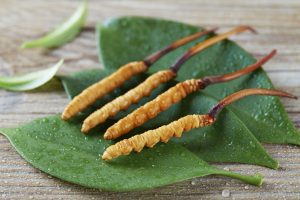
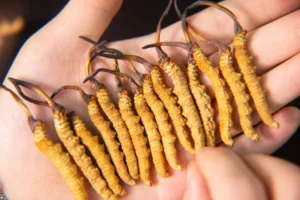
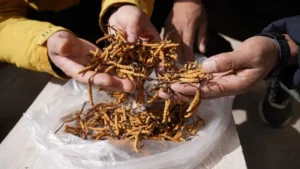
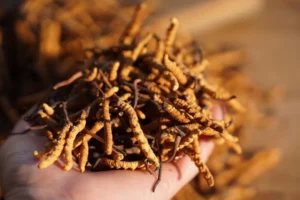
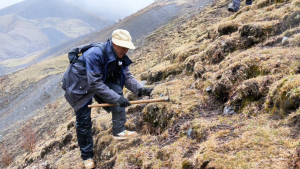
- Heavy‑metal contaminated wild Ophiocordyceps sinensis Wild‑harvested caterpillar fungus absorbs heavy metals and arsenic from mountain soil. Long‑term daily consumption of contaminated wild cordyceps can create toxic stress to the liver and kidneys. This is not an effect of the fungus itself, but environmental pollutants.
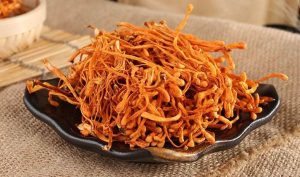
- Adulterated or counterfeit supplements Some low‑grade cordyceps products are mixed with undeclared herbs, fillers, or synthetic additives. These hidden contaminants, not cordyceps, may trigger liver strain.
- Pre‑existing liver disease People with hepatitis, fatty liver, cirrhosis, or impaired liver function have reduced ability to process herbal metabolites. Even safe herbs may build up in the body. Self‑supplementation without medical supervision carries unknown risk.
- Drug‑herb interactions Cordyceps is processed by liver cytochrome P450 enzyme pathways. It may alter the metabolism of certain prescription drugs. Changing drug clearance can indirectly stress liver function or change medication effectiveness. This matters for people taking many common prescription medications.
- Extremely excessive overdosing Consuming far above 3000 mg of concentrated extract every day for prolonged periods may increase overall metabolic burden, though serious liver injury from overdose is rare.
Who needs extra caution
- Individuals with diagnosed liver disease: Do not take cordyceps unless explicitly approved by your hepatologist.
- People taking medications processed by the liver (statins, some antidepressants, anti‑fungal drugs, chemotherapy agents): require medical review.
- Users considering wild‑sourced Ophiocordyceps sinensis: always review batch‑specific heavy‑metal test reports. Avoid daily long‑term intake.
Warning signs of liver stress
Stop taking cordyceps and seek medical care if you develop any of these symptoms:
- Yellowing of skin or eyes (jaundice)
- Dark‑colored urine
- Persistent right‑upper abdominal pain
- Unexplained fatigue, nausea, loss of appetite
FAQ
Q: Is cordyceps hard on your liver?
A: Pure third‑party‑tested cultivated Cordyceps militaris is not hard on the liver for most healthy adults. Risks mostly come from contaminated products or underlying liver illness.
Q: Can cordyceps raise liver enzyme levels?
A: There is no strong evidence that pure cordyceps routinely raises liver enzymes. Sudden elevation of liver markers should prompt medical investigation to rule out contaminants or other health conditions.
Q: Can I take cordyceps with fatty liver?
A: Do not self‑medicate. Some research suggests potential supportive effects, but individual responses vary. Get clearance from your doctor first.
Q: Does wild cordyceps sinensis hurt the liver?
A: Not the fungus itself, but heavy‑metal pollution in wild samples creates toxic risk for liver and kidneys with regular daily use.
Q: Should I do liver function tests while taking cordyceps long‑term?
A: For people with pre‑existing liver issues or multiple prescription medications, periodic liver function testing is reasonable under doctor supervision. Healthy people taking quality supplements at normal doses usually do not require special monitoring.


Interesting read. I’ve been taking cordyceps for energy for about a year now, and this makes me want to
Interesante artículo. Siempre he leído maravillas del cordyceps, pero nunca había pensado en el riesgo de contaminación o en las interacciones con medicamentos. Me tranquiliza saber que los productos cultivados y probados por terceros son seguros, pero está claro que hay que comprar con cabeza y consultar al médico si tienes algún
Interesting read! I’ve been taking cordyce