

It is a famous authentic Daodi medicinal herb, commonly known as Liang‑wai Cao. It originates from the southern Liang‑wai hard‑tableland area of Hangjin Banner, Ordos, Inner Mongolia, south of the Kubuqi Desert, growing in arid and semi‑arid desert‑steppe habitats with large day‑night temperature swings that promote accumulation of glycyrrhizic acid and flavonoids.
Morphological Features
- Outer bark: Reddish‑brown, dense longitudinal wrinkles and grooves, thin and tight bark, also called red‑bark licorice.
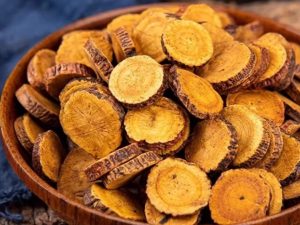
- Cross‑section: Bright golden‑yellow colour, distinct chrysanthemum‑shaped radial texture with natural small gaps. High starchy‑powdery content, minimal tough fibrous strands. Described in herbal trade standards: thin reddish bark, abundant powder, few fibrous veins.
- Taste & texture: Firm texture; pure, strong long‑lasting sweet taste with barely any bitter notes.
Production Note
True wild Glycyrrhiza uralensis is listed as China’s Class‑II protected wild plant. Unauthorized wild harvesting is legally restricted. Most commercial material today comes from semi‑wild / cultivated licorice reproduced from local Liang‑wai provenance.
Comparison with other licorice species
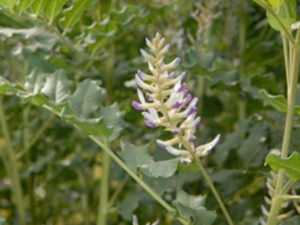
- Wild Liang‑wai (Glycyrrhiza uralensis): Reddish‑brown bark, golden‑yellow cross‑section, rich powder, superior sweetness.
- Wild Xinjiang Glycyrrhiza inflata: Coarse grey‑brown bark, heavy fibre, low powder, pale‑yellow fractured cross‑section.
- Glycyrrhiza glabra (foreign licorice): Dark‑brown wrinkled bark, dull‑toned cross‑section; also cultivated in Inner Mongolia and Northwest China.
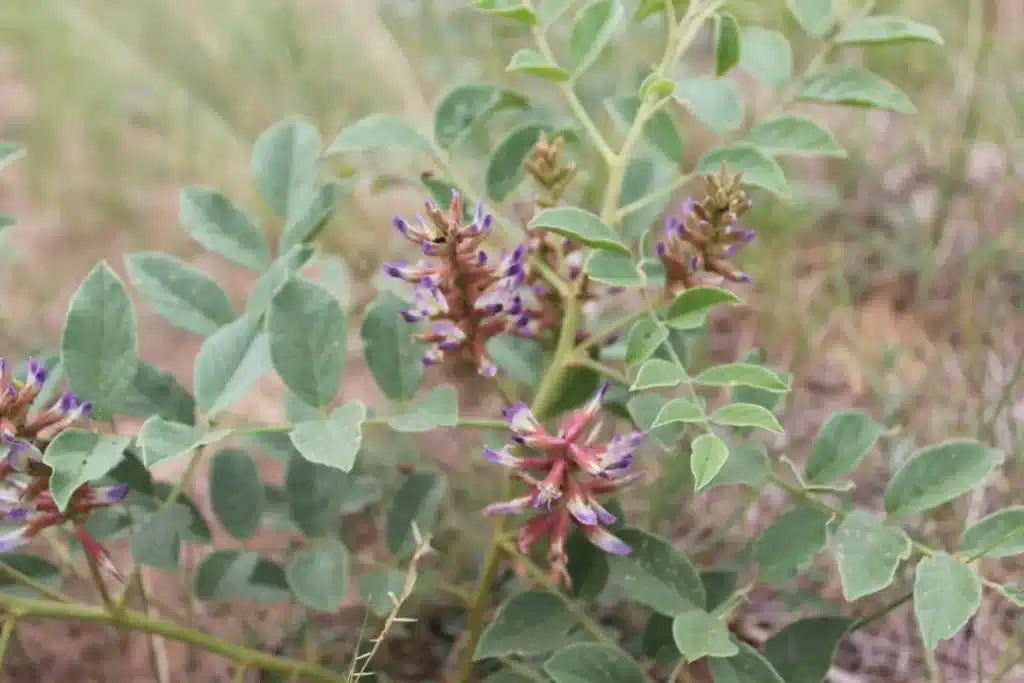
Versus cultivated Inner‑Mongolia licorice
- Wild Liang‑wai licorice: Fine reddish‑brown bark, bright golden‑yellow cut surface, natural porous chrysanthemum core, high powder content.
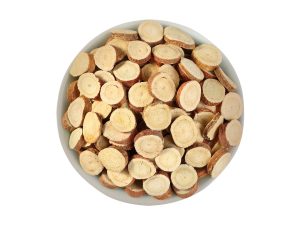
- Cultivated licorice: Reddish‑brown outer bark, paler whitish cross‑section. Uniform bleached‑white slices usually indicate sulfur fumigation.
Counterfeit & inferior‑grade identification
- Post‑extraction licorice residue: Dull grey‑white cross‑section, zero powder, heavily fibrous and woody; active compounds have already been chemically removed.
- Inferior goods: Dark rotten rhizome‑head slices, decayed pieces, sulfur‑fumigated bleached slices. Large slice size does not guarantee high quality.





Interesting! I’ve always known licorice as a common herb, but had no idea the desert steppe climate and big temperature swings actually boost the active compounds. That makes Liangwai licorice sound like a true standout. Would love to try it someday, or maybe use it in a traditional remedy. Thanks for shedding light on this unique regional
Fascinating! It’s amazing how harsh desert conditions with big temperature swings actually make this licorice more potent. I’ve always thought of licorice as just candy, but