
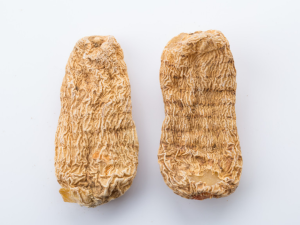
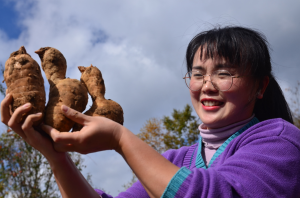
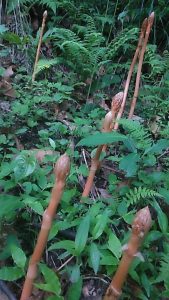
Gastrodia elata (Tianma) targets the core pathogenesis of neuroinflammation. Its active constituents gastrodin and parishin cross the blood-brain barrier and perineural tissues, suppress central & peripheral neuroinflammatory pathways, reduce inflammatory infiltration around nerve ganglia, stabilize overactive sensory nerves, and alleviate chronic nerve pain while repairing damaged nerve myelin sheaths, with no gastrointestinal irritation or addictive properties of chemical analgesics. This paper systematically elaborates its efficacy, applicable crowds, dual traditional Chinese and modern pharmacological mechanisms, usage schemes and safety regulations.
1 Core Effects for Chronic Neuropathic Pain
- Inhibit neuroinflammation at the source to cut persistent pain drive Block the NF-κB inflammatory signaling cascade in nerve roots, trigeminal ganglia, dorsal root ganglia, lower secretion of pain-inducing inflammatory mediators TNF-α, IL-1β, IL-6, eliminate inflammatory edema compressing nerve roots, resolve the sustained inflammatory state that causes lingering chronic nerve pain.
- Stabilize nerve membrane potential to terminate abnormal pain discharge Regulate sodium and calcium ion channels of sensory nerve fibers, restrain spontaneous abnormal electrical firing of damaged nerves, improve allodynia (pain triggered by gentle touch) and lightning-like paroxysmal neuralgia.
- Reduce perineural inflammatory edema & relieve mechanical nerve compression Improve microcirculation around compressed nerves, accelerate metabolism of inflammatory exudates, diminish swelling of nerve root tissues caused by chronic inflammation, relieve compression-induced soreness and numbness.
- Repair nerve myelin sheath damaged by inflammation Antioxidative stress clears free radicals accumulated around nerve fibers, slows inflammatory demyelination, restores nerve fiber integrity, lowers the recurrence probability of chronic neuralgia.
- Balance GABA/glutamate ratio to lower central pain sensitization Boost endogenous GABA synthesis in the pain regulation area of the brain, inhibit excessive excitation of glutamate excitatory nerves, relieve central sensitization formed by long-term pain stimulation, reduce the amplified pain perception of patients with long-term neuralgia.
- Relieve muscle spasm secondary to nerve inflammation Ease sustained tension of muscles surrounding nerve roots, break the vicious cycle: muscle spasm → nerve compression → aggravated neuroinflammation → worse pain.
- Improve pain-related insomnia and anxiety Gentle nerve-calming properties alleviate anxious tension caused by fear of pain attacks, avoid anxiety-induced nerve excitation that exacerbates neuropathic pain.
2 Suitable & Unsuitable Populations
Suitable Crowds
- Patients with post-herpetic neuralgia, lingering burning pain and stabbing pain after herpes zoster healing.
- Cervical disc herniation, lumbar radiculitis patients suffering chronic radiating neuralgia in arms and legs accompanied by numbness.
- Trigeminal neuralgia, occipital neuralgia, intercostal neuralgia patients with recurrent paroxysmal nerve pain.
- Diabetic peripheral neuropathy manifested as limb tingling, burning pain, numb pain in hands and feet.
- Stroke sequelae complicated with painful numbness, neuropathic soreness of limbs.
- Mild peripheral neuritis, nerve injury convalescence with persistent dull neural pain.
- Patients with chronic neuralgia who cannot tolerate long-term oral NSAIDs due to gastric problems.
Unsuitable Crowds
- Suppurative infectious neuritis requiring antibiotic therapy: gastrodia only exerts anti-inflammatory effects against aseptic inflammation and cannot replace anti-infection treatment.
- Secondary neuropathic pain caused by intracranial tumors, spinal space-occupying lesions: gastrodia relieves pain symptoms only, primary lesion treatment must be prioritized.
- Severe hypotension patients: mild vasodilation may induce dizziness and cerebral ischemia.
- Individuals allergic to gastrodia, pregnant women, children under 6 years old.
- People with deficient-cold spleen constitution and chronic diarrhea: long-term single administration may aggravate loose stools.
- Severe refractory neuralgia requiring nerve block or surgical decompression: gastrodia can only serve adjuvant conditioning instead of replacing clinical surgery.
3 Mechanisms of Anti-Neuroinflammation & Relieving Chronic Nerve Pain
Traditional Chinese Medicine Mechanism
Chronic neuropathic pain belongs to the category of obstruction pain caused by wind-stasis blocking collaterals. Trauma, strain, viral invasion, aging lead to internal liver wind stirring, blood stasis lodging in nerve collaterals, lingering damp-heat inflammation locally; meridians become obstructed, qi and blood fail to nourish nerve fibers, resulting in persistent pain and numbness.
Gastrodia elata acts on the liver meridian to extinguish internal wind, dispel pathogenic wind stagnating limb collaterals, dredge blocked meridians, promote qi-blood circulation to nourish injured nerves. With wind dispelled, stasis dissipated and collaterals unobstructed, inflammatory stagnation gradually subsides, and chronic pain is fundamentally relieved.
Modern Pharmacological Mechanism
- Block NF-κB pathway to suppress peripheral & central neuroinflammation Gastrodin inhibits the phosphorylation and nuclear translocation of NF-κB, suppresses M1 pro-inflammatory polarization of microglia and Schwann cells around nerve tissues, cuts the continuous release of inflammatory cytokines, eliminates chronic low-grade inflammation that sustains neuropathic pain.
- Alleviate inflammatory edema of dorsal root ganglion Dilate microvessels around nerve ganglia, accelerate lymphatic backflow, reduce inflammatory edema compressing sensory nerve roots, improve nerve root ischemia and hypoxia caused by inflammation.
- Modulate ion channels to suppress nerve hyperexcitability Block excessive opening of voltage-gated sodium channels in injured sensory nerves, reduce ectopic discharge of nerve fibers caused by inflammatory stimulation, effectively improve stabbing pain and hyperalgesia.
- Antioxidant protects nerve myelin sheath Scavenge reactive oxygen species generated during neuroinflammation, reduce oxidative damage to myelin sheath, inhibit progressive demyelination, promote nerve repair to prevent neuralgia from transforming into intractable chronic pain.
- Moderately raise central GABA levels to reduce pain sensitization Increase inhibitory neurotransmitter GABA in the spinal dorsal horn and cerebral pain regulatory regions, reverse central sensitization induced by long-term pain stimulation, lower the body’s pain perception threshold.
- Relax peripheral muscle tension indirectly Ease spasms of muscles attached to nerve passages, reduce mechanical compression on inflamed nerve roots and assist anti-inflammatory analgesia.
4 Application Forms for Chronic Neuroinflammatory Pain
Proprietary Chinese Patent Medicines
- Gastrodin Tablets / Capsules Basic daily adjuvant remedy for various mild-to-moderate chronic neuropathic pain, focuses on anti-neuroinflammation and stabilizing nerves.
- Tianma Gouteng Granules For neuropathic pain accompanied by hypertension, liver-yang hyperactivity, dizziness and emotional irritability.
- Compound Gastrodia + Mulberry Twig + Angelica Prescription (prescribed by TCM practitioners only) Combined with blood-activating, collateral-dredging herbs for stubborn lingering neuralgia and post-herpetic neuralgia.
Raw Gastrodia for Long-Term Conditioning
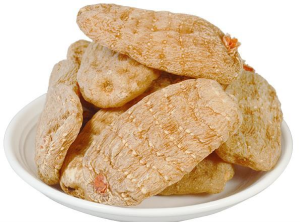
- Gastrodia slices brewed into herbal tea for daily drinking.
- Ultrafine gastrodia powder oral administration; conventional maintenance dosage: 1 g ~ 1.5 g per day.
5 Safety Specifications & Administration Guidelines
- Standard dosage for anti-inflammatory pain relief Dried gastrodia 3–10 g daily for tea or soup; gastrodia fine powder 1–1.5 g per day. Single dose exceeding 40 g easily causes fatigue, drowsiness and gastrointestinal discomfort.
- Cooking requirement Gastrodin is heat-labile; add gastrodia into soup in the final 10–15 minutes of simmering to preserve active anti-inflammatory ingredients, avoid prolonged high-temperature boiling.
- Medication combination precautions When used together with nerve-nourishing drugs, anti-neuralgia western medicines, reduce the dosage of chemical painkillers under physician guidance to avoid excessive nerve inhibition; do not combine with Cynanchum paniculatum due to herbal incompatibility.
- Intermittent administration principle Avoid continuous daily intake exceeding 2 weeks; suspend administration for 3–5 days afterward, prevent nerve tissue adaptation and maintain the self-inflammatory regulation ability of peripheral nerves.
- Functional boundary Gastrodia exerts anti-inflammatory improvement effect on aseptic chronic neurogenic inflammation, yet cannot replace clinical nerve block, antiviral and surgical treatments. If pain worsens rapidly accompanied by muscle weakness and sensory loss, receive neurological examination promptly.
- Allergy test Allergy-prone people take 0.5 g gastrodia powder for sensitivity testing before formal use.
6 Anti-Inflammatory & Pain-Relief Herbal Tea & Therapeutic Diet Recipes
1. Gastrodia Mulberry Twig Neuralgia Tea (limb radiating neuralgia, shoulder-arm nerve pain)
Ingredients: 3 g gastrodia slices, 4 g mulberry twig, 4 g wolfberry
Usage: Brew with boiling water, steep for 20 minutes, refill hot water and drink throughout the day.
Efficacy: Dispels wind, unblocks collaterals, relieves neuroinflammation of upper limb nerves and reduces radiating stabbing pain.
2. Gastrodia Pueraria Loofah Vine Tea (cervical lumbar radicular inflammatory pain)
Ingredients: 3 g gastrodia, 6 g kudzu root, 3 g loofah vine
Usage: Brew in a thermos daily.
Efficacy: Relax cervical and lumbar soft tissues, eliminate nerve root inflammatory edema and relieve lumbago leg neuralgia.
3. Gastrodia Walnut Steamed Egg (daily nerve repair & anti-inflammation maintenance)
Ingredients: 5 g gastrodia decocted to extract liquid, 1 walnut kernel, 1 egg
Method: Mix medicinal liquid with walnut and egg liquid, steam fully, consume every other day for 4 weeks as a conditioning cycle.
Efficacy: Assist myelin sheath repair, suppress mild continuous neuroinflammation and decrease neuralgia attack frequency.
4. Gastrodia Eucommia Pork Spine Soup (lumbar nerve inflammatory pain, degenerative nerve soreness)
Ingredients: 7 g gastrodia, 5 g eucommia bark, 250 g pork spine, 2 ginger slices
Method: Simmer pork spine for 40 minutes, add gastrodia and eucommia in the last 15 minutes, season lightly with salt, take twice weekly.
Efficacy: Nourish lumbar tendons and nerves, alleviate chronic aseptic inflammation of lumbar nerve roots.
7 Conclusion
Different from NSAIDs that only target somatic tissue inflammation, Gastrodia elata specifically aims at neuroinflammation, the core driver of chronic neuropathic pain. It inhibits inflammatory pathways inside nerve ganglia, relieves inflammatory edema compressing nerves, stabilizes abnormal discharge of damaged sensory nerves, and repairs inflamed nerve myelin sheaths from three dimensions: anti-inflammation, analgesia and nerve repair.
Without gastric mucosal injury, addiction and sedative hangover of chemical painkillers, gastrodia is suitable for long-term auxiliary conditioning of post-herpetic neuralgia, cervical/lumbar radiculopathy, diabetic peripheral neuralgia and other chronic nerve pain.
It must be clarified that gastrodia is an auxiliary health conditioning ingredient rather than a substitute for clinical neurological treatment. For patients with chronic neuropathic pain, standardized clinical treatment combined with intermittent gastrodia dietary conditioning, hot compress and nerve rest can effectively control neuroinflammation, prolong pain-free intervals and improve long-term quality of life.



Interesting read! I’ve been dealing with chronic nerve