
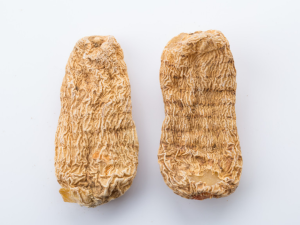
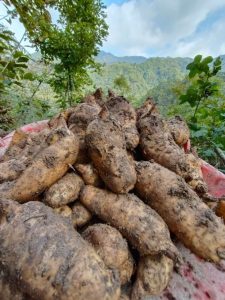
Gastrodia elata is a widely used medicinal herb for relieving dizziness, calming nerves, improving cerebral circulation, and assisting blood pressure regulation, but it produces significant pharmacological interactions with common prescription blood pressure medications that all hypertensive users must understand to avoid adverse health risks. Rich in gastrodin, parishin, and gastrodia polysaccharides, Gastrodia elata naturally dilates cerebral and peripheral blood vessels, reduces vascular resistance, and stabilizes sympathetic nerve activity, creating a synergistic hypotensive effect with most mainstream antihypertensive drugs. While this synergy can enhance blood pressure control for stubborn hypertension in standardized clinical combinations, unsupervised simultaneous use often leads to excessive blood pressure drop, hypotension symptoms, and physical discomfort, becoming the most common hidden risk of daily gastrodia health care for hypertensive populations.
Core Interaction Mechanism Between Gastrodia Elata & Blood Pressure Drugs
The fundamental interaction lies in the overlapping vasodilatory and neuroregulatory effects of Gastrodia elata and antihypertensive medications. Modern pharmacological studies confirm that gastrodin actively relaxes vascular smooth muscles, improves microcirculation, and inhibits excessive sympathetic nerve excitation, which is consistent with the hypotensive principle of calcium channel blockers, ACEI, ARB, and beta-blocker drugs. When the natural hypotensive activity of Gastrodia elata superimposes on the pharmacological effect of blood pressure medicines, the overall blood pressure lowering effect is amplified, easily causing uncontrolled blood pressure fluctuations beyond the ideal therapeutic range.
In addition, Gastrodia elata has mild central sedative properties and anti-platelet aggregation effects. When combined with blood pressure medications that slow heart rate or inhibit vascular contraction, it not only increases hypotension risk but also may trigger fatigue, bradycardia, and poor blood perfusion of vital organs, especially in elderly hypertensive patients with weak cardiovascular regulation ability.
High-Risk Blood Pressure Medications That Interact With Gastrodia Elata
1. Calcium Channel Blockers (Highest Interaction Risk)
Common drugs: Nifedipine, Amlodipine, Felodipine. These drugs dilate peripheral blood vessels to lower blood pressure, which overlaps highly with the vascular relaxation effect of Gastrodia elata. Combined use greatly increases the risk of acute hypotension, manifested as dizziness, vertigo, weakness, and orthostatic dizziness when standing up.
2. ACEI Antihypertensive Drugs
Common drugs: Captopril, Benazepril, Lisinopril. Gastrodia elata enhances the vasodilation and circulation-improving effects of ACEI drugs, easily causing excessive blood pressure reduction, and may aggravate mild electrolyte imbalance caused by long-term ACEI medication.
3. ARB Antihypertensive Drugs
Common drugs: Valsartan, Losartan, Irbesartan. The synergistic hypotensive effect is moderate but stable. Long-term simultaneous use without blood pressure monitoring may lead to persistent low blood pressure, cold limbs, and brain fog caused by insufficient cerebral blood supply.
4. Beta-Blockers
Common drugs: Metoprolol, Bisoprolol. Combining Gastrodia elata’s sedative and vascular regulatory effects with these heart rate-lowering drugs may cause excessive bradycardia, palpitations, and general fatigue, seriously affecting cardiovascular stability.
Main Adverse Reactions of Unsupervised Combined Use
The most typical adverse reaction is iatrogenic hypotension, with systolic blood pressure dropping below 90mmHg, accompanied by persistent dizziness, drowsiness, limb weakness, and blurred vision. Long-term improper combination may cause chronic insufficient cerebral perfusion, aggravating brain fatigue and memory decline instead of improving it. Individual sensitive users may experience sudden postural hypotension, leading to fainting and fall risks. In addition, the anti-platelet effect of Gastrodia elata may slightly increase bleeding tendency in users taking long-term antihypertensive and anti-thrombotic combined medications.
Safe Usage Rules for Hypertensive Patients Taking Gastrodia Elata
1. Strict Time Interval Separation
Do not take Gastrodia elata powder, slices, or gastrodin preparations together with blood pressure drugs. Maintain a 2-hour interval to avoid peak pharmacological overlap and reduce synergistic hypotension risk.
2. Control Safe Dosage
Hypertensive daily maintenance dosage: Dried Gastrodia elata 3–6g, gastrodia superfine powder 0.8–1g. Avoid overdose (exceeding 10g per day) and continuous long-term use; adopt an intermittent cycle of 14 days on and 3–5 days off.
3. Real-Time Blood Pressure Monitoring
During the period of taking Gastrodia elata, monitor blood pressure morning and evening. If continuous low blood pressure, dizziness or fatigue occurs, stop taking immediately and adjust the plan under physician guidance.
4. Physician Guidance for Long-Term Combined Use
For patients with intractable hypertension, hypertensive dizziness, and post-stroke blood pressure instability who need long-term auxiliary intervention with Gastrodia elata, must adjust the dosage of antihypertensive drugs under the supervision of a neurologist or cardiovascular physician to achieve safe synergistic treatment.
Special Crowd Precautions
Elderly hypertensive patients, patients with hypotension tendency, and those with bradycardia or cardiac insufficiency are strictly prohibited from self-administering Gastrodia elata with blood pressure medications. Pregnant and breastfeeding hypertensive women, as well as patients with liver and kidney insufficiency, need professional medical evaluation before use to avoid cardiovascular burden and physical discomfort.
Conclusion
Gastrodia elata has natural auxiliary hypotensive and vascular-protective effects, which can assist in stabilizing blood pressure, improving hypertensive dizziness and cerebral circulation when used scientifically. However, its significant pharmacological interaction with common blood pressure medications cannot be ignored. The core of safe use lies in dose control, time interval separation, and real-time blood pressure monitoring. Standardized intermittent auxiliary use brings positive cardiovascular and nerve protection for hypertensive patients, while blind combined use will trigger hypotension risks. All hypertensive users should avoid self-matching Gastrodia elata with antihypertensive drugs and prioritize professional medical guidance.






¡Muy buen artículo! No sabía que la gastrodia podía interferir tanto con los medicamentos para la presión. Es un recordatorio importante de que lo “natural” también tiene efectos fuertes. Siempre hay que consultar al médico antes de mezclar hierbas con recetas, por muy inofensivas que parezcan. Gracias por la información, la tendré muy en cuenta