
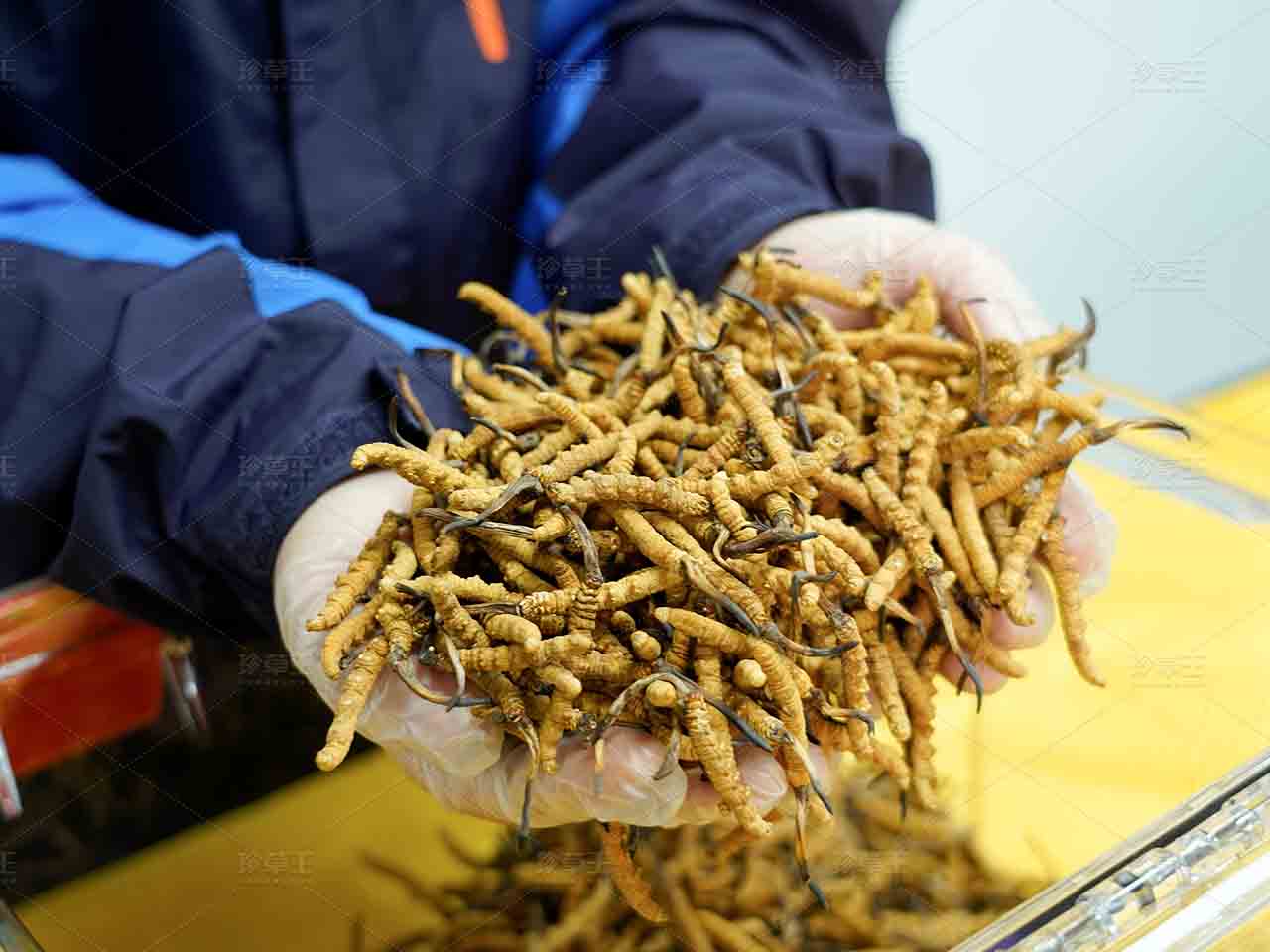
If you have shopped for wild cordyceps before, you may notice huge price gaps for products labelled “Yushu cordyceps”. Some listings sell for dozens of RMB per gram while others go for several hundred RMB per gram. What creates such massive differences? This article unpacks what shapes cordyceps pricing and helps you avoid overpaying or buying inferior goods.
Six Core Factors That Determine Wild Yushu Cordyceps Price
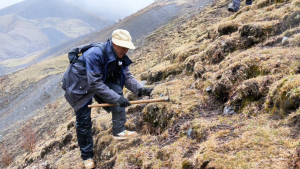
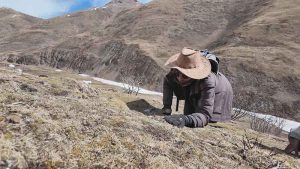
- Growing altitude Altitude is the top factor influencing quality and market price. Zaduo, Chenduo in Yushu and Jiuzhi in Golog sit above 4 600 m, widely recognised as premium‑tier producing zones. Cordyceps from Nagqu (Xizang) also grows above 4 500 m and belongs to the top‑grade category. By contrast, cordyceps harvested from Sichuan, Yunnan and Gansu mostly comes from 3 000‑4 000 m elevations. Its active‑ingredient levels are noticeably lower, and its market price can be merely one‑third to one‑half of high‑altitude Yushu cordyceps.
- Harvest timing The main harvest window runs from May to June each year. Prime‑stage cordyceps gathered early in the season features plump caterpillar bodies and maximum bioactive compounds. Late‑harvest tail‑season cordyceps develops over‑long stromata that consume internal nutrients, leading to obvious quality decline. Many ultra‑low‑priced goods on the market are tail‑harvest stock.
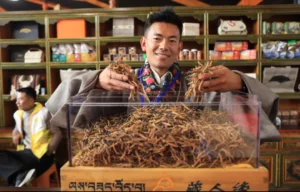
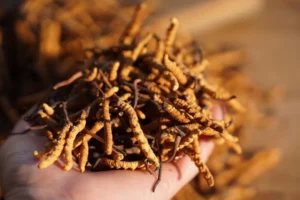
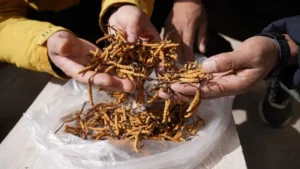
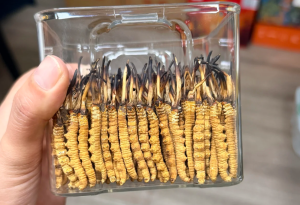
- Physical size & specification A universal industry rule applies: larger individual pieces command higher unit prices. Extra‑large premium cordyceps only accounts for 10‑15 % of total annual output, making them scarce. 2025‑2026 origin‑side reference price range for wild Yushu cordyceps (source price before middle‑mark‑ups): ‑ 2 pieces per gram (top‑king grade): 300‑500+ RMB / gram ‑ 3 pieces per gram (Grade 1): 200‑300 RMB / gram ‑ 4 pieces per gram (Grade 2): 150‑200 RMB / gram ‑ 5 pieces per gram (regular grade): 100‑150 RMB / gram ‑ 6+ pieces per gram (low‑grade): 50‑100 RMB / gram
Important note: These are direct‑from‑origin benchmark prices. After multi‑layer intermediate distribution, retail prices for end‑consumers usually rise by 50 %‑100 %.
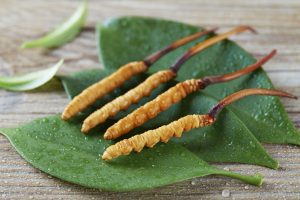
- Whole‑body intactness Complete cordyceps with intact stroma, worm body, eyes and ring textures fetches the highest price. Broken pieces, stick‑joint fragments and shrivelled under‑nourished cordyceps sell at heavy discounts. The price gap between whole intact cordyceps and broken cordyceps can reach 30 %‑50 %.
- Dryness level (hidden price trap) National standard requires cordyceps dryness to reach ≥92 % (max 8 % water content). Some merchants sell under‑damp goods at low nominal prices; in reality 20 % of what you buy is just water, which artificially inflates your real cost per gram. Quick practical check: genuine fully‑dried cordyceps feels firm and cannot be dented by finger‑pinching. Damp samples leave obvious indentations under light pressure.
- Illegal weight‑boosting treatment This is one of the most harmful market traps. Unscrupulous sellers soak cordyceps in alum water, fill cracks with glue or coat heavy‑metal powder to artificially add weight. Such products offer poor value and may create health hazards with long‑term consumption.
How To Judge Whether A Quotation Is Reasonable
If a listing prices goods more than 30 % below normal market benchmarks, you should stay highly alert. Common risks behind abnormally low prices: ‑ Low‑altitude cordyceps mis‑labelled as high‑altitude Yushu stock ‑ Old inventory from previous harvest years ‑ Weight‑boosted or artificially treated cordyceps ‑ Insufficient dryness (paying for water weight) ‑ Mis‑stated size specifications (marked as 4‑piece‑per‑gram but actually 5‑piece‑per‑gram) ‑ Misleading unit pricing (quoting price per‑piece instead of per‑gram)
Signs of a trustworthy supplier: ‑ Can name specific producing counties instead of vague generic labels such as “Qinghai cordyceps” ‑ Supports third‑party laboratory testing with reports matched to your purchased batch ‑ Provides quality‑guarantee commitments such as compensation for counterfeit goods ‑ Maintains stable direct‑sourcing links with local herders, rather than only reselling goods from wholesale markets ‑ Can provide verifiable dryness‑level inspection data.
Buying Recommendations For Different Budgets
‑ High‑budget / gift‑giving purpose: Choose Grade 1 or premium grades (2‑3 pieces per gram). Premium‑grade Yushu wild cordyceps sits at roughly 200‑500 RMB per gram, with reliable potency and great presentation for gifting. ‑ Daily personal wellness use: Grade 2‑Grade 3 offers optimal cost‑performance (100‑200 RMB / gram). This remains the most popular option for regular home consumption, with satisfactory active‑ingredient content. ‑ Practical cost‑effective option: Naturally broken cordyceps. Its nutritional value matches whole cordyceps of equivalent grade, making it a favourite among experienced buyers. Please confirm they are natural breaks and not artificially snapped or glued‑together fragments.
How Much Can You Save By Buying Direct‑From‑Origin?
Take annual consumption of 30 grams for example: ‑ Purchased via multi‑layer middlemen (100 RMB/g origin price × 100 % markup): total cost 4 500 RMB ‑ Purchased via qualified origin‑direct supplier (30 % reasonable markup): total cost 3 000 RMB
Same quality goods can save you 1 500 RMB, enough for an extra 15 grams of cordyceps. That explains why experienced bulk buyers prefer credible origin‑side suppliers.
Reliable Channels For Up‑to‑Date Quotations
- Visit the official website: www.oatriver.com for real‑time origin‑based pricing, grade specifications and product details.
- Follow Facebook official account: oatriver, send message “quotation” to receive the most‑recent price sheet from specialist customer service representatives.
- Follow updates and buying‑avoid‑pitfall articles, and send direct messages for private consultation.
Final Remarks
Price is only surface‑level information; quality and authenticity are what truly count in the cordyceps market. Finding a trustworthy origin‑direct supplier is far more valuable than endlessly comparing quotations across different sellers. A reputable supplier can share origin background, harvesting knowledge and practical quality‑checking advice alongside product pricing.
Disclaimer: Article serves as sourcing reference only, not medical advice. Consult qualified TCM practitioners before consumption. All prices are origin‑side reference benchmarks; real‑world deals fluctuate with annual yield and market supply‑demand shifts.
The price gap really is confusing! I’ve seen the same “Yushu” label at wildly different prices and always wondered if it’s about size,
Interesting read! I’ve definitely seen those wild price swings and wondered if I was looking at the same product. The quality factors make sense, but it’s still hard for a regular buyer to know if they’re overpaying. Do you have any tips on how to verify the source without being an expert? Would love a follow-up!
蟲草價格真的差好多!之前在市場看到標「玉樹」的,從幾十到幾百塊都有,看完這篇才懂原來產地、大小、乾度還有賣家都影響這麼大。下次買之前真的要學會看,不然很容易當冤大頭。感謝整理,很實用!
¡Interesante artículo! Siempre me ha parecido un lío comparar precios de cordyceps, hay muchísima diferencia entre tiendas. Lo de los precios por gramo me confunde, ¿al final qué diferencia real hay entre el de 20 yuanes y el de 300? Me gustaría saber cómo distinguir la calidad sin dejarse engañar. ¡Gracias por explicarlo!