
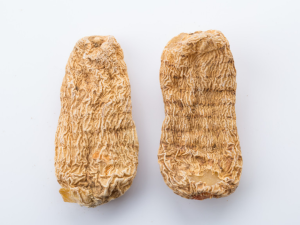
Gastrodia elata itself is classified as a non-toxic medicinal herb in traditional Chinese medicine and modern toxicology studies; pure cultivated gastrodia does not directly cause liver necrosis or kidney lesions when used at standard doses. Nevertheless, long-term uninterrupted daily intake still creates cumulative metabolic stress and indirect organ injury risks, while inferior wild or sulfur-fumigated gastrodia greatly elevates the probability of liver and kidney damage.
1. Fundamental Safety Background
Acute toxicity tests confirm gastrodin (the core active ingredient) has extremely high LD50 values. When taken at the recommended health-care dosage (3–6 g dried tuber daily), gastrodin is metabolized by the liver into safe small-molecule metabolites and excreted via urine within 24–48 hours under normal liver and kidney function.
Short-term cyclic use (14 days on, 3–5 days off) does not produce toxic buildup, so healthy people following intermittent usage rules face almost zero risk of organic liver or kidney damage.
2. Indirect Liver & Kidney Risks from Long Uninterrupted Consumption
Liver burden risk
- Continuous daily ingestion means the liver must metabolize gastrodin every day without rest. Long-term sustained metabolic work increases hepatic load, slowing liver detoxification efficiency over time. People with fatty liver, mild abnormal liver enzymes or subclinical liver impairment may experience further elevated liver transaminases.
- Sulfur-smoked gastrodia (common in cheap bulk goods) contains residual sulfur dioxide, which converts into sulfites inside the body. Sulfites irritate liver cells during metabolism, causing oxidative damage to hepatocytes after months of intake.
- Wild gastrodia easily accumulates lead, arsenic, cadmium and heavy metals from mountain soil. Heavy metals cannot be fully metabolized and deposit in the liver, triggering chronic heavy metal hepatic injury gradually.
Kidney burden risk
- Metabolites of gastrodin are excreted mainly through the kidneys. Daily long-term use keeps the renal filtration system working continuously, increasing glomerular filtration pressure. For seniors, people with mild nephropathy or microalbuminuria, persistent filtration stress may worsen subtle kidney dysfunction.
- Heavy metal enrichment in wild gastrodia accumulates in renal tubules, potentially causing chronic tubule damage in prolonged consumption scenarios.
- In rare cases, long-term excessive gastrodia intake leads to persistent hypotension. Sustained low blood pressure reduces renal blood perfusion, resulting in ischemic damage to kidney tissues over months or years.
3. Groups Most Vulnerable to Liver & Kidney Damage
- Patients with chronic hepatitis, fatty liver, elevated ALT/AST, cirrhosis;
- Those with chronic nephritis, mild renal insufficiency, high uric acid, early kidney damage;
- Individuals who eat wild gastrodia regularly or purchase cheap sulfur-fumigated gastrodia slices/powder;
- People taking liver-metabolized drugs (statins, antibiotics, painkillers) alongside gastrodia long-term;
- Hypertensive patients combining gastrodia with multiple antihypertensive medicines, prone to hypotension-induced renal hypoperfusion.
4. Scenarios That Will NOT Damage Liver & Kidneys
- Use certified sulfur-free cultivated gastrodia, adopt intermittent cycles: 14 days continuous use → stop 3–5 days, total cyclic maintenance limited to 3 months, then pause entirely for 1 month;
- Strictly control daily dosage within 3–6 g for health care; never exceed 10 g per day without TCM prescription;
- Avoid wild gastrodia and low-quality sulfur-fumigated gastrodia products;
- People with healthy liver and kidney function, no chronic diseases.
5. Early Warning Signs of Liver or Kidney Stress Caused by Long-Term Gastrodia Intake
Stop consuming gastrodia immediately and check liver and kidney function if these symptoms appear:
- Liver signals: persistent fatigue, yellowish sclera/skin, loss of appetite, right upper abdominal distension;
- Kidney signals: foamy urine, frequent nocturia, swollen ankles, unexplained fatigue after standing;
- General manifestations: constant dizziness, hypotension, cold limbs.
6. Conclusion
- Standard intermittent use of qualified cultivated Gastrodia elata: no direct liver or kidney toxicity, no risk of organic organ damage;
- Long daily uninterrupted use, wild gastrodia or sulfur-fumigated inferior gastrodia bring three hazards: liver metabolic overload, heavy metal/sulfite hepatic injury, hypotension-induced renal ischemia, which may gradually damage liver and kidney function;
- Anyone with pre-existing liver or kidney disease must consult a physician before consuming gastrodia long term, regular liver and kidney blood tests are recommended if long-term conditioning is required.
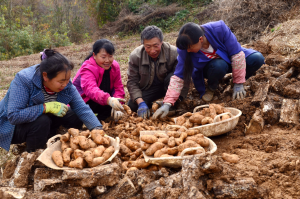
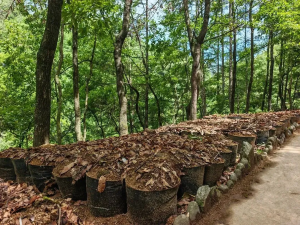
天麻本身無毒,但日日當茶飲就唔係咁講。中醫講「藥三分毒」,長期食,肝腎都要加班代謝,遲早攰出問題。我身邊有人當保健品日日食,後來驗血肝功能偏高。停咗一排先正常
天麻は漢方では無毒とされてますが、毎日続けるのは怖いですね。私も健康のために長期内服してた時期がありましたが、やはり時々休む「休薬期間」を設けるのが大事だと感じます。自然のものだから安心、とは限らないですね。
Interesting nuance. I always assumed that because something is