
Both used for menopause support but work differently, hormone activity, risks and best-suited people vary significantly.
1. Core Mechanism & Active Ingredients
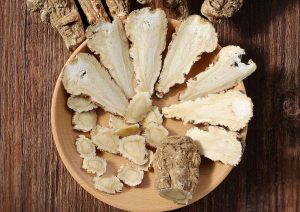
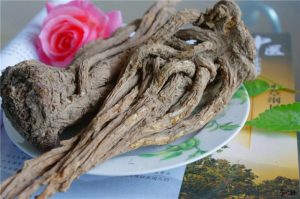
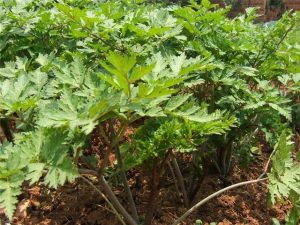
Dong Quai (Angelica sinensis)
- Active compounds: ligustilide, ferulic acid
- Classification: Blood tonic, circulatory herb
- Hormone action: Weak phytoestrogen Binds gently to estrogen receptors; improves pelvic blood stagnation, boosts circulation, relieves fatigue linked to hormone shifts. Does not directly lower LH (the hormone triggering hot flashes).
Red Clover (Trifolium pratense)
- Active compounds: isoflavones (genistein, daidzein)
- Classification: High-isoflavone phytoestrogen herb
- Hormone action: Stronger selective phytoestrogen Isoflavones compete with your body’s own estrogen. They help balance low-estrogen menopausal states to ease vasomotor symptoms (hot flashes, night sweats).
2. Primary Benefits – What each excels at
Dong Quai best for:
✅ Cold hands & feet, poor circulation
✅ Menstrual cramping, stagnant, dark clotty periods (perimenopause)
✅ Persistent exhaustion, dizziness, blood deficiency
✅ Perimenopause pelvic discomfort
❌ Weaker direct effect on hot flashes / night sweats compared to red clover
Red Clover best for:
✅ Hot flashes, night sweats (the #1 goal for most menopausal women)
✅ Mood swings, sleep disruption caused by estrogen fluctuation
✅ Vaginal dryness (mild-moderate)
✅ Bone support (isoflavones benefit bone density)
❌ Minimal help for poor circulation, cold extremities
3. Key Risks & Safety Concerns
Dong Quai
- Photosensitivity (sun burn risk)
- Blood-thinning mild effect; caution with warfarin / aspirin
- Not ideal for large fibroids, active endometriosis (estrogen-sensitive tissue)
- Do not take during heavy menstrual bleeding
Red Clover
Higher concentration plant oestrogens creates bigger considerations:
- Theoretical risk of stimulating hormone-sensitive tissue: ER+ breast cancer survivors, large fibroids, endometriosis require doctor approval
- May increase breast tenderness in the first 2–4 weeks
- Can interact with HRT, birth control pills
- Avoid if you have known soy / legume allergies (cross-allergy potential)
4. Ideal Candidate Profile
Choose Dong Quai if you have:
Perimenopause + these signs:
- Chronically cold limbs
- Painful, clotty periods
- Low energy, pale complexion
- Hot flashes that are mild, secondary complaint
Choose Red Clover if your main struggle is:
Severe frequent hot flashes, night sweats, vaginal dryness; circulation is normal, hands/feet stay warm.
Side-by-Side Simple Table
| Feature | Dong Quai | Red Clover |
|---|---|---|
| Phytoestrogen strength | Mild | Moderate–strong (isoflavones) |
| Top symptom target | Circulation, period pain, fatigue | Hot flashes, night sweats, vaginal dryness |
| Sun sensitivity risk | Yes | No |
| Typical cycle rule | Take follicular phase only; pause luteal phase | Can be used on 12 weeks on / 2 weeks off rotation |
| Digestive side effect | Loose stools if taken empty stomach | Mild nausea for sensitive people |
5. Critical Questions: Can you combine them?
Yes, many herbal formulas pair the two together:
- Severe hot flashes + cold extremities
- Complex perimenopause with both circulation issues and vasomotor symptoms Start low dose of each and monitor for breast tenderness or spotting.
6. Important Warnings for vulnerable groups
- Breast cancer survivors (ER-positive) Most oncologists prefer limiting or avoiding red clover first due to higher isoflavone load. Dong quai still needs clearance, but often considered the gentler alternative of the two.
- Trying to conceive / two-week wait Dong quai: pause after ovulation. Red clover: best paused during TTC two-week wait as well.
Quick FAQ
Q: Which one works faster for hot flashes?
A: Red clover. Many women notice reduction in hot flashes within 3–4 weeks. Dong quai acts slower for vasomotor symptoms.
Q: Can I swap red clover for dong quai?
A: Not a direct swap. If your main issue is hot flashes, red clover is better suited. If cold extremities and period pain dominate, dong quai fits better.
Final Guidance Summary
- Red clover = first pick when hot flashes / night sweats are your main complaint.
- Dong quai = first pick for poor circulation, cold limbs, painful stagnant perimenopausal periods.



Interesting breakdown! I’ve tried both for hot flashes, and dong quai seemed to help more with the
Interessante! Sempre ouvi falar do dong quai como “tônico feminino”, mas não sabia que a ação hormonal era tão fraca. Fico na dúvida: para quem tem histórico de câncer de mama, o trevo vermelho é realmente mais arriscado que o dong quai, ou os dois precisam de cautela? Obrigada pelo comparativo, esclareceu bastante!