Search for Herbal Teas Recipes by Symptom:

How to Eliminate Excess Dampness from the Body

Reflections on Sweeping the Floor

In the context of Traditional Chinese Medicine, “Excess Dampness” is commonly referred to as “excessive dampness” and can also be understood as a condition characterized by an excess of “damp pathogenic factors.” The “dampness” referred to in Traditional Chinese Medicine is not exactly the same as humidity in the air; rather, it refers to a … Read more

Diagnosis and Treatment of Spleen Deficiency

The Story of the Cat and the Mice

Spleen deficiency is a common pattern in Traditional Chinese Medicine (TCM). It refers to a weakened ability of the spleen and stomach to transport and transform food, leading to problems with digestion and absorption. Typical symptoms include loss of appetite, abdominal distension, loose stools, physical fatigue, a sallow complexion, and general weakness.‌‌ Note: The “spleen” … Read more

Symptoms and Treatment of Cold Invasion in the Liver Meridian

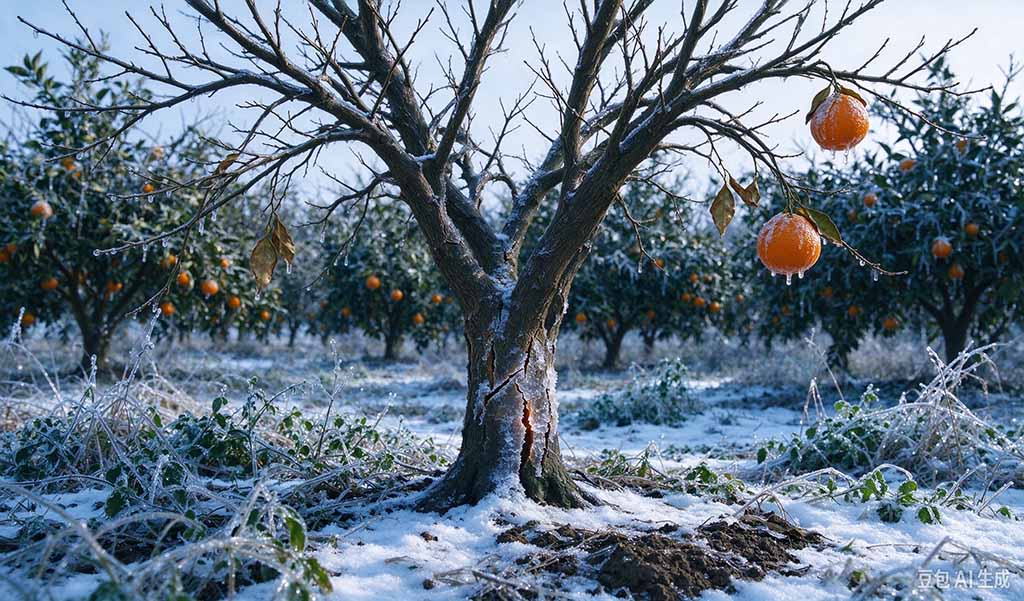
The Story of the Trees That Froze to Death

The corresponding Traditional Chinese Medicine (TCM) term for “Cold Invasion in the Liver Meridian” is “Cold Congestion in the Liver Meridian” (also known as “Cold Stagnation in the Liver Meridian” or “Cold Invading the Liver Meridian”).‌ This is a syndrome pattern in TCM that refers to the invasion of cold pathogens into the Liver Meridian, … Read more

Lessons from Malabsorption

he Story of Irrigating the Fields

Malabsorption refers to a reduced ability of the small intestine to absorb nutrients from food, resulting in the inability of ingested nutrients to effectively enter the bloodstream and leading to problems such as diarrhea, weight loss, and malnutrition. It is not a single disease, but rather a common symptom caused by a variety of underlying … Read more

The Art of Tonification in TCM

The Story of the Reservoir

Tonification, in the context of medicine and Traditional Chinese Medicine (TCM), primarily refers to therapeutic methods that nourish the body and correct states of deficiency through the use of herbs or other therapies.‌‌‌ ‌The Theoretical Status of the Tonification Method‌: The tonification method is one of the Eight Therapeutic Methods in TCM (sweating, emesis, purgation, … Read more

Diagnosis and Treatment of Bone Spurs

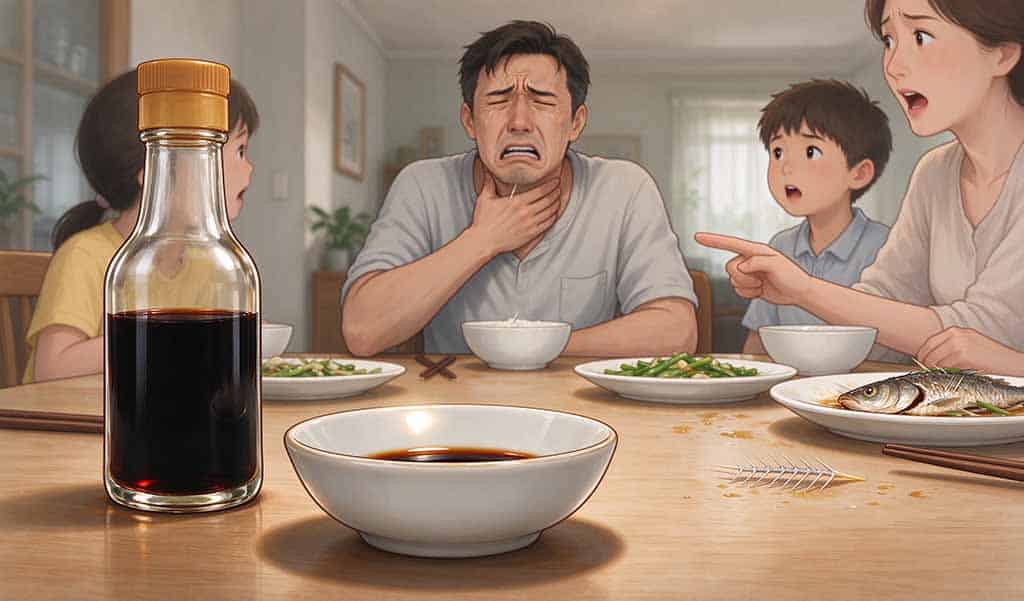
A Story About Eating Fish

Bone spurs—known in Chinese as “骨刺”—are medically referred to as osteophytes or bone hyperplasia. They are bony projections that form along the edges of bones. Most bone spurs are asymptomatic and do not require treatment; intervention is only necessary when they compress nerves or impair joint movement. Symptoms by Location ‌Cervical bone spurs‌: Neck pain … Read more

Diagnosis and Treatment of Musculoskeletal Disorders

The Story of Making a Bow

Musculoskeletal disorders is a general term for a group of conditions that affect the muscles, bones, nervous system, and related tissues of the human body, including arthritis, tendinitis, back pain, and other conditions. Classification by Cause: Inflammatory diseases: such as rheumatoid arthritis.Painful conditions: such as osteoarthritis and back pain.Osteoporosis and fragility fractures.‌‌ The Story of … Read more

Diagnosis and Treatment of Imbalance Between Cold and Heat

A Story About Air Conditioning

In Traditional Chinese Medicine, “Imbalance Between Cold and Heat” corresponds to the term “imbalance of cold and heat,” commonly referred to as “intermingled cold and heat”—a condition where both cold and heat pathogenic factors coexist in the body, leading to contradictory symptoms such as “heat above and cold below” or “stomach heat and intestinal cold.” … Read more

Diagnosis and Treatment of Cold-induced Syndromes

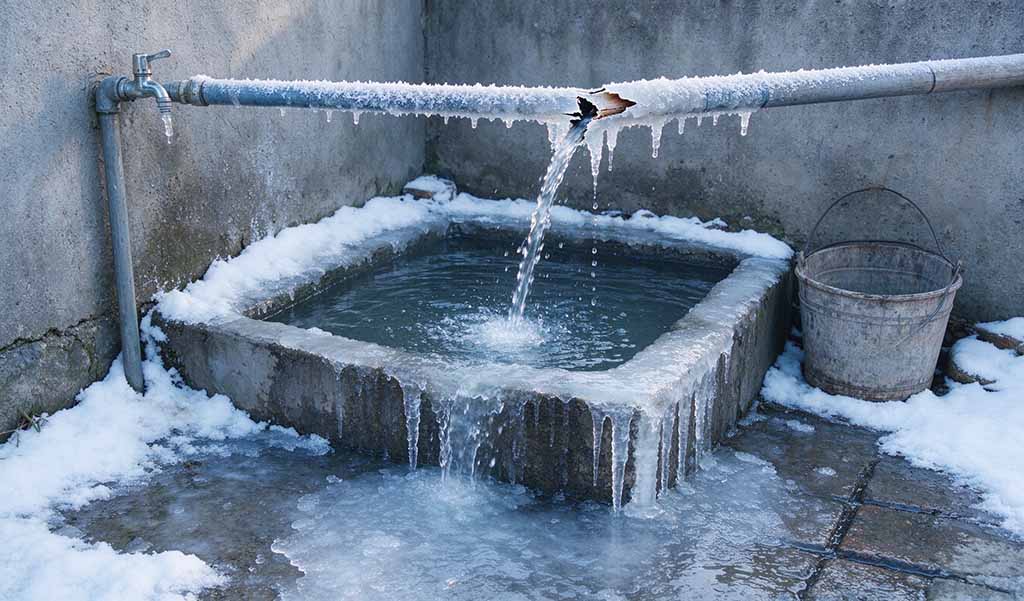
The Story of a Frozen Water Pipe

In Traditional Chinese Medicine, cold-induced syndromes are a category of conditions caused by an external invasion of cold pathogens or an internal deficiency of yang qi. Typical symptoms include sensitivity to cold, pain that worsens with cold exposure, and relief upon warming. These syndromes are classified into superficial cold, internal cold, excess cold, and deficiency … Read more