
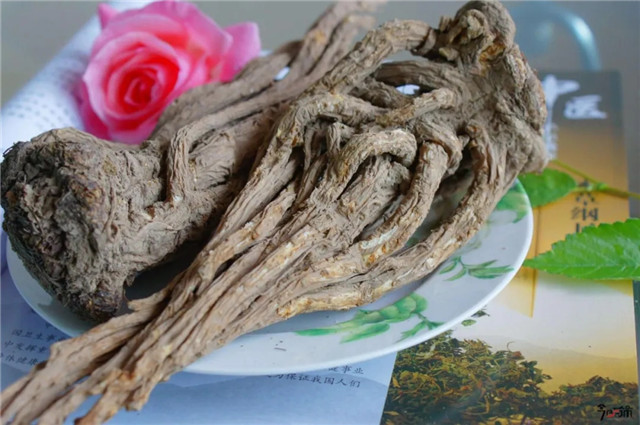
The Min County Dong Quai Farming System in Dingxi, Gansu, was officially inscribed on the list of Nationally Important Agricultural Heritage Systems of China in 2014 (the second batch). Rooted in the core Daodi origin of authentic Min Gui, it represents a living, time-honored agro-cultural system integrating herbal cultivation wisdom, ecological rotation, traditional processing craftsmanship and profound TCM culture.
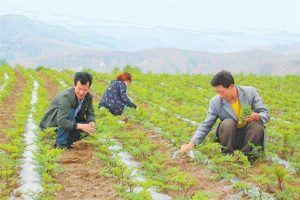
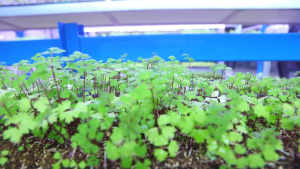
Evolving over more than 1,800 years, this farming system was shaped by generations of local farmers adapting to the unique alpine environment at the junction of the Loess Plateau, Qinghai-Tibet Plateau and West Qinling Mountains. It features a sophisticated cyclic agricultural model: three-year crop rotation, intercropping, scientific seedling breeding, and eco-friendly field management, embodying the ancient philosophy of harmony between humanity and nature.
As a rare agricultural heritage centered on Daodi Chinese medicinal herbs, it complements Min County’s National Geographical Indication protection and China-EU GI mutual recognition credentials. The heritage system safeguards native Min Gui germplasm, inherits time-tested cultivation techniques, and underpins the sustainable development of the entire Dong Quai industrial chain.
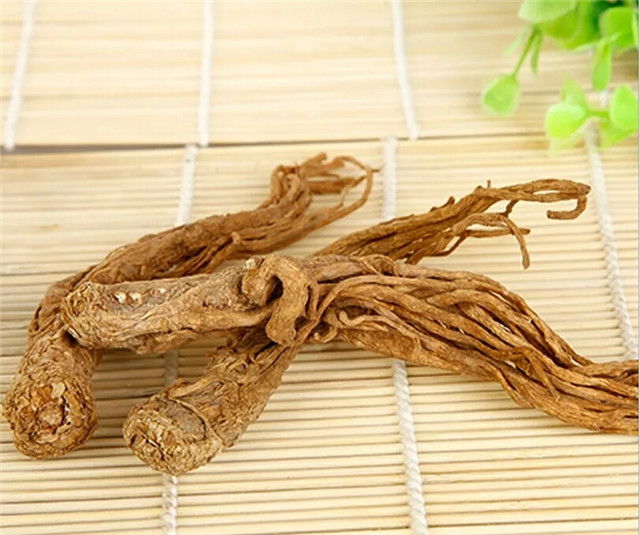
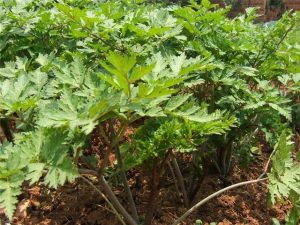
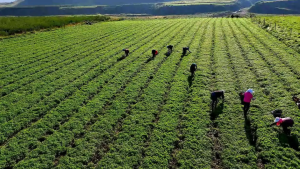
Nestled at the triple junction of the Loess Plateau, Gannan Grassland and Longnan Mountainous Region, Min County of Dingxi, Gansu Province is honored as the Hometown of Dong Quai (Angelica sinensis) in China. Its time-honored Dong Quai Farming System was officially certified as one of the Second Batch Nationally Important Agricultural Heritage Systems of China (China-NIAHS) on May 29, 2014, designated by the Ministry of Agriculture and Rural Affairs of China. Covering over 100,000 mu of planting land across all 18 towns of Min County, this composite agricultural heritage integrates ecological farming techniques, millennia-old TCM culture, unique alpine terroir and sustainable rural industrial development, standing as the world’s only nationally recognized agricultural heritage centered on Daodi Chinese medicinal herbs — Min Gui Dong Quai.
For more than 2,000 years, generations of local farmers have adapted to Min County’s special highland geography, evolving a complete circular planting system that balances ecological protection and high-quality medicinal herb output. Today, the heritage system works hand in hand with multiple top-tier official credentials including National Geographical Indication Product protection, China-EU GI Mutual Recognition and National Export Food and Agricultural Product Quality Safety Demonstration Zone, forming a multi-dimensional authoritative certification matrix for authentic Min Gui Dong Quai.
Unique Geographic & Ecological Terroir Shaping Heritage Dong Quai
The core planting zone of the Min County Dong Quai Heritage System sits at an altitude ranging from 2,040 to 3,700 meters, featuring a cold, humid alpine climate with an average annual temperature of 4.7–7°C and annual precipitation of 570–650 mm. Three major water systems run through the county, forming a complete irrigation network that guarantees stable water supply for herbal cultivation. The local black loam soil is rich in organic matter and trace minerals, creating an irreplaceable growing environment exclusive to high-grade Dong Quai.
Unlike lowland producing areas with high temperature and rapid herb growth, Min County’s slow, mild growing cycle allows Dong Quai to fully accumulate ferulic acid, volatile oil and ligustilide — core active medicinal compounds. Zero heavy industrial pollution across the mountain watersheds further reinforces the natural, pollution-free foundation of the heritage planting base, laying the groundwork for both national agricultural heritage recognition and national export quality safety demonstration zone accreditation.
Traditional Three-Year Rotation Farming: Core Heritage Ecological Technology
The most precious heritage asset of Min County’s Dong Quai system is its inherited three-year circular rotation farming model, a millennia-old ecological technique far ahead of modern sustainable agriculture standards. The fixed crop cycle follows strict rules:
- Year 1: Plant wheat or rapeseed to balance soil nutrients;
- Year 2: Cultivate Min Gui Dong Quai as the core medicinal crop;
- Year 3: Grow hemp or flax to restore soil vitality.
Complementary intercropping with broad beans and oats forms multi-layer stereo farmland, which naturally suppresses root diseases such as Gastrodia scab and cuts chemical pesticide usage by over 30% without sacrificing Dong Quai yield and quality. This traditional farming wisdom fully embodies the ancient Chinese philosophy of harmony between humanity and nature, solving the universal industrial pain point of continuous cropping degradation without chemical intervention. All standardized Daodi Chinese Herb Planting Bases, GAP Chinese Medicinal Herb Bases and export demonstration zones within Min County strictly inherit and popularize this heritage planting method as mandatory production norms.
Multi-Dimensional Cultural & Industrial Value of the NIAHS Heritage System
As a living agricultural heritage focused on Daodi TCM herbs, the Min County Dong Quai Farming System carries four irreplaceable core values recognized by national authorities:
- Ecological Heritage Value: The rotation and intercropping system serves as a living textbook of sustainable mountain agriculture, providing replicable eco-farming references for global herbal plantations. It protects local agricultural biodiversity while maintaining the ecological security barrier of the upper Yellow River basin.
- Traditional Technical Value: It preserves complete ancient Dong Quai seedling breeding, field management and low-sulfur processing craftsmanship. Local government has built 3 technical inheritance bases to rescue endangered traditional farming skills, linking heritage techniques with modern standardized GAP and export zone production systems.
- Intangible Cultural Value: Dong Quai culture permeates local folk customs, trade fairs and regional rituals. The annual China Dong Quai Festival gathers TCM experts, global herbal buyers and agricultural researchers to exchange heritage protection and industrial development experience, spreading Min Gui’s cultural influence worldwide.
- Economic Industrial Value: By 2024, the total industrial output value driven by this agricultural heritage system has exceeded 1 billion RMB. Min Gui Dong Quai processed under heritage planting standards is exported to more than 20 countries and regions including Japan, South Korea, Singapore, Thailand, Hong Kong and Taiwan, generating nearly 10 million RMB annual foreign exchange revenue, supported by the National Export Quality Safety Demonstration Zone’s customs clearance and quality advantages.
Dynamic Protection & Modern Upgrading of the Dong Quai Heritage System
Facing threats from modern intensive farming, soil degradation and fading traditional craftsmanship after its 2014 heritage certification, Min County government rolled out targeted special protection plans to realize dynamic, sustainable heritage inheritance:
- Recovered 2,000 mu ecological buffer zones within the heritage core area to safeguard native soil and water ecology;
- Integrated heritage rotation standards into all GAP, Daodi and export demonstration base management manuals;
- Combined agricultural heritage sightseeing with herbal cultural tourism to expand industrial value chains;
- Boosted brand power by matching NIAHS certification with national geographical indication, China-EU GI mutual recognition and national export demonstration zone credentials;
- Cooperated with university research teams to conduct digital documentation of traditional farming knowledge, passing down heritage wisdom to new generations of growers.
All export-grade Min Gui produced in the national export quality safety demonstration zone must adopt heritage-standard three-year rotation planting, undergo full-item CMA & CNAS laboratory testing and carry one-to-one QR traceability codes, enabling overseas buyers to trace every batch back to its heritage planting plot. This perfect integration of ancient agricultural heritage and modern international quality standards distinguishes Min County Dong Quai from ordinary Angelica sinensis from other producing regions.
Conclusion
The Min County Dong Quai Farming System, certified as China’s Nationally Important Agricultural Heritage System, is a rare fusion of alpine ecology, ancient TCM farming wisdom and modern standardized herbal industry. Rooted in 2,000 years of Daodi Dong Quai cultivation history, supported by unique three-year circular rotation technology and stacked with national geographical indication, China-EU GI mutual recognition and national export food quality safety demonstration zone qualifications, this living heritage continuously supplies high-ferulic acid, low-residue authentic Min Gui Dong Quai to global TCM, dietary supplement and herbal markets. It sets a world benchmark for balancing agricultural heritage protection, Daodi medicinal material production and cross-border herbal export industry development.
¡Qué interesante! No sabía que el cultivo del dong quai en Min County fuera parte del patrimonio agrícola. Me encanta ver
¡Qué interesante! No sabía que el cultivo del dong quai en Min Xian fuera patrimonio agrícola desde 2014. Me encanta cómo estas tradiciones combinan sabiduría herbal con sostenibilidad. Ojalá se sigan protegiendo estos sistemas, porque son mucho más que cultivos: son historia viva. Gracias por compartir esta joya de Gansu.