
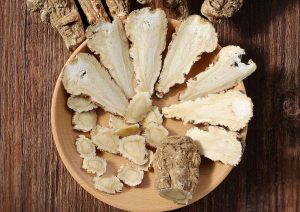
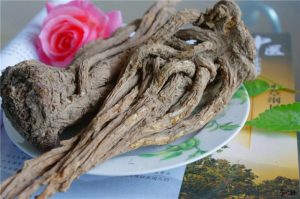
Dong quai supports recovery from mild blood deficiency anemia, but it is NOT a primary iron supplement. It aids nutrient absorption and builds blood, yet it cannot replace iron therapy for moderate or severe iron-deficiency anemia.
Full Breakdown
- Traditional function: Nourishes blood In TCM, dong quai’s core property is bu xue — tonifying blood. It improves circulation and enhances how your body utilises nutrients needed for red blood cell formation. Dong quai itself contains only minimal iron. Its strength is improving your body’s internal environment so iron and other hematopoietic nutrients work more efficiently.
- Who benefits most Dong quai works best for mild anemia caused by:
- Chronic blood loss (heavy menstrual periods, postpartum blood loss)
- Fatigue, poor nutrient absorption linked to blood deficiency
- Post-illness weakness with low hemoglobin
Common associated signs: pale complexion, dizziness, fatigue, cold hands & feet, pale lips and nails.
❌ Important limitation
If lab results confirm low serum ferritin / severe iron deficiency:
Dong quai alone cannot raise iron levels fast enough. You will need dietary iron or prescribed iron supplementation alongside it.
How it acts alongside iron
Dong quai improves pelvic and systemic circulation. For women with anemia + irregular, heavy or clotty periods:
It helps regulate bleeding patterns over time, reducing ongoing blood loss that keeps anemia recurring. This addresses the root cause of persistent low iron.
Distinction: Blood deficiency vs Western anemia
There is a key difference:
- Western diagnosis: Iron-deficiency anemia = measurable low hemoglobin/ferritin on blood tests.
- TCM blood deficiency = a broader pattern (fatigue, dizziness, pale skin) that may or may not match lab anemia results. Dong quai treats TCM blood deficiency. It indirectly helps laboratory-confirmed anemia, but is not a direct iron replacement.
Recommended Usage for Low Blood / Mild Anemia
- Mainly take during the follicular phase (after menstruation ends until ovulation): 1.5–2.5 g daily in soup form.
- Pair with iron-rich foods: spinach, lentils, red meat, beetroot.
- Avoid drinking strong tea with meals — tannins block iron uptake.
Timeline to see improvements
Better energy and less dizziness often appear within 3–4 weeks.
Stable improvement in blood test markers typically requires 6–8 weeks of consistent supplementation plus dietary adjustments.
Safety Notes
- If you have hemolytic anemia, sickle cell anemia or other non-iron-deficiency anemias, consult your doctor before use.
- Do not rely solely on dong quai if ferritin is very low; combine with iron support.
Summary
Dong quai nourishes blood and aids recovery from mild anemia linked to blood loss in women. It boosts circulation and supports iron utilisation, but it contains negligible iron. For confirmed iron-deficiency anemia, use dong quai as complementary support together with iron-rich nutrition or iron supplements.
FAQ
Q: Can dong quai cure anemia without taking iron?
A: Only for very mild cases. Moderate to severe iron deficiency requires iron intake; dong quai acts as a helper, not a cure on its own.
Q: Will dong quai raise my hemoglobin count?
A: It supports gradual improvement by stopping ongoing blood loss and enhancing nutrient absorption, but results are slower compared to direct iron supplementation.

I’ve used dong quai for years for “blood building” after heavy periods, and it definitely helped my energy—but I also made sure to check my ferritin levels. It’s a nice support, not a replacement for iron when you’re truly deficient. Good reminder that herbs work best alongside proper testing and real nutrition.
当帰って鉄剤の代わりにはならないけど、軽い貧血の回復を助ける感じなんですね。漢方では血を補うって言われるけど、やっぱり鉄分摂取が基本なんだな。中程度以上なら医療機関で鉄剤処方してもらうのが大事そう。勉強になりました!