
Cordyceps mushroom is generally well‑tolerated for most healthy adults when taken at recommended dosages. Even so, it may trigger mild side effects in some people, and it carries important risks for certain groups. This article covers common adverse reactions, rare complications, drug interactions, and who should avoid cordyceps supplements.
Disclaimer: This content is for educational purposes only and is not medical advice. Always consult your healthcare provider before starting new herbal supplements.
Common Mild Side Effects
Mild digestive complaints are the most frequently reported reactions, especially when first starting cordyceps or using higher‑than‑recommended doses. These symptoms often fade as your body adjusts, or after lowering the serving size.
- Mild stomach upset, bloating, or gas
- Nausea, especially when taken on an empty stomach
- Loose stools or mild diarrhea
A small number of users report sleep‑related changes. Since cordyceps supports cellular energy, sensitive individuals may experience slight restlessness if they take large doses late in the evening. For this reason, most experts suggest consuming cordyceps earlier in the day.
Rare Allergic Reactions
True allergy to cordyceps mushroom is uncommon but possible. Signs of an allergic response include:
- Skin rash, itching, or hives
- Swelling of the face, lips, or throat
- Dizziness or difficulty breathing
Stop taking cordyceps right away and seek medical help if any of these symptoms appear.
Important Drug Interactions
Cordyceps may interact with prescription medications. Speak with a doctor before use if you take any of the following:
Blood‑thinning medications (anticoagulants / antiplatelets) Cordyceps may have mild anti‑platelet effects. Combined with warfarin, aspirin, clopidogrel or similar drugs, it could raise bleeding risk. It should be paused before scheduled surgery.
Immunosuppressant drugs Cordyceps modulates immune activity. If you take immune‑suppressing medicine after an organ transplant or for autoimmune conditions, cordyceps could interfere with your treatment outcome. Medical supervision is mandatory.
Diabetes medications Cordyceps may help lower blood glucose. When combined with insulin or oral anti‑diabetic drugs, it can increase the chance of low blood sugar (hypoglycemia). Blood sugar levels should be monitored closely.
Blood pressure medications It may support lower blood pressure. People on prescription blood pressure pills should watch for abnormally low blood pressure and dizziness.
Groups That Should Avoid or Exercise Extreme Caution
- Pregnant and breastfeeding women: There is insufficient safety research on cordyceps for pregnancy and lactation. It is best avoided.
- Children and adolescents: Limited safety data for younger people; not routinely recommended without pediatric doctor approval.
- Active cancer patients undergoing chemotherapy or radiation: Do not take cordyceps without explicit permission from your oncologist. While some research explores supportive benefits, interactions with cancer treatments remain poorly understood.
- People scheduled for surgery: Discontinue cordyceps at least 2 weeks before planned surgery to reduce potential bleeding risks.
Practical Tips to Minimize Side Effects
- Start with a low dose, gradually increase to the suggested serving.
- Take cordyceps with meals to reduce stomach irritation.
- Avoid large doses in late afternoon or evening if you are sensitive to energy‑enhancing herbs.
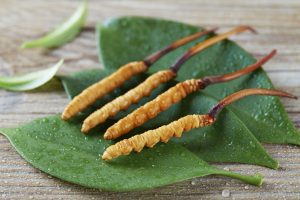
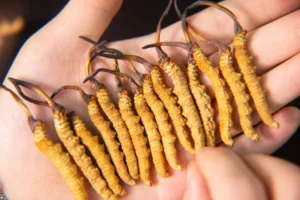
- Choose quality cultivated Cordyceps militaris supplements. Wild‑harvested Ophiocordyceps sinensis can contain heavy‑metal contaminants which cause unrelated adverse effects.
FAQ
Does cordyceps cause insomnia? Some sensitive people notice difficulty sleeping if they take high doses at night. Taking it in the morning or midday usually prevents this issue.
Can cordyceps make diarrhea worse? Higher doses may irritate digestion. Reduce dosage or stop use if loose stools persist.
Is cordyceps safe to take every day long‑term? For most healthy adults, continuous daily use for several months is well‑tolerated. Periodic breaks are a common practice in herbal traditions. Check with your doctor for multi‑year continuous use.
Will cordyceps cause weight gain or hormone disruption? Cordyceps itself does not lead to weight gain. It contains no phytoestrogens and does not directly raise or lower sex hormones.
Should I stop cordyceps before surgery? Yes. Stop supplementation a minimum of two weeks prior to surgery to lower bleeding risk. Inform your surgeon about all herbal products you consume.





Good article! I’ve been taking cordyceps for a few months now and thankfully no side effects, but it’s nice to finally see the risks laid out clearly. I had no
Interessant, dass auch natürliche Pilze Nebenwirkungen haben können. Ich nehme Cordyceps seit ein paar Monaten und hatte nur leichte Magenbeschwerden am Anfang – das hat sich aber gegeben. Gut zu wissen, dass man es nicht mit Blutverdünnern kombinieren sollte. Danke für die klare Übersicht! Bin gespannt, ob es noch Erfahrungsberichte zu Wechselwirkungen gibt.