
Raw Cinnabar,From *Formulas of the Imperial Pharmacy*, Volume 1.,Severe wind-phlegm syndrome, characterized by headache, dizziness, vertigo with a sensation of fainting, stagnation of lung qi, chest and diaphragm discomfort, retching and nausea, confusion and forgetfulness, stiffness of the neck and shoulders, unilateral or bilateral headaches, facial and ocular edema, tightness of tendons and vessels, thick and sticky nasal discharge and saliva, and difficulty swallowing.
Raw Cinnabar
Disclaimer: These statements have not been evaluated by the Food and Drug Administration (FDA). This product is not intended to diagnose, treat, cure, or prevent any disease. All references in this article to TCM syndrome differentiation, herbal medicines, teas, and decoctions are intended to promote TCM culture and are provided solely for educational and reference purposes.
Formulas Name : Raw Cinnabar
Chinese Name : 生朱丹
Drug Formulation
Half a jin of white Aconite root (processed; peel and pith removed), half a jin of Gypsum (heated until red-hot, then cooled), 1 fen of Borneol, and 1 liang 2 qian of Cinnabar (for coating).
Source
From *Formulas of the Imperial Pharmacy*, Volume 1.
Processing
Grind the first three ingredients into a fine powder. Form into pills the size of small beans using roasted millet rice, and coat with cinnabar.
Benefits
Severe wind-phlegm syndrome, characterized by headache, dizziness, vertigo with a sensation of fainting, stagnation of lung qi, chest and diaphragm discomfort, retching and nausea, confusion and forgetfulness, stiffness of the neck and shoulders, unilateral or bilateral headaches, facial and ocular edema, tightness of tendons and vessels, thick and sticky nasal discharge and saliva, and difficulty swallowing.
Instructions for Use
Take 30 pills per dose, after meals, with tea or wine as desired.
Copyright: Excerpt from From *Formulas of the Imperial Pharmacy*, Volume 1., Copyright belongs to the Original Author and all original sources, This article was shared by DeDe on August 31, 2026, Please credit the source and include a link to the original article when reposting.
Terminology Proofreading: [Cheng Bo] | August 31, 2026 Reviewed by: [Wang Zhongxiang, Associate Chief TCM Physician (China)] | August 31, 2026
Correct Content Errors: Errors may occur during the writing, editing, translation, and publication of website content. If you find any errors or inaccurate information in this article, please feel free to Contact Us to report them, and we will correct them promptly.
FDA Disclaimer: The descriptions of the efficacy of Chinese herbal medicines, herbal teas, decoctions, and formulas, as well as the content on Traditional Chinese Medicine (TCM) diagnostic theory and traditional TCM therapies contained on this site, are intended solely for the purpose of popularizing TCM culture and serving as an educational reference; they do not constitute medical diagnosis or treatment advice. Please do not attempt to use these products on your own without proper guidance. These statements have not been evaluated by the Food and Drug Administration. This product is not intended to diagnose, treat, cure, or prevent any disease. If you are experiencing any physical discomfort, please consult a licensed healthcare professional and seek treatment at a reputable medical institution. This platform assumes no responsibility for any consequences resulting from the use of herbs or formulas by any individual based on the information provided on this site. Please read Medical Disclaimer.
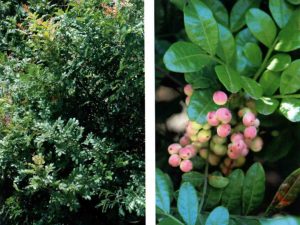
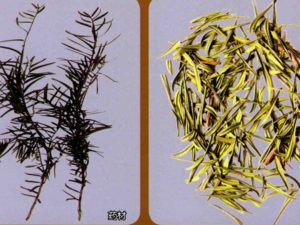
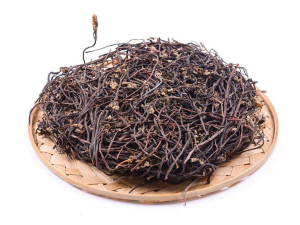

Raw Cinnabar,Severe wind-phlegm syndrome, characterized by headache, dizziness, vertigo with a sensation of fainting, stagnation of lung qi, chest and diaphragm discomfort, retching and nausea, confusion and forgetfulness, stiffness of the neck and shoulders, unilateral or bilateral headaches, facial and ocular edema, tightness of tendons and vessels, thick and sticky nasal discharge and saliva, and difficulty swallowing.