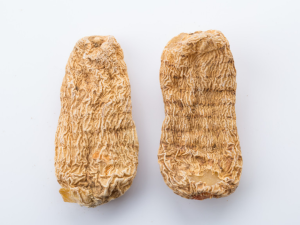
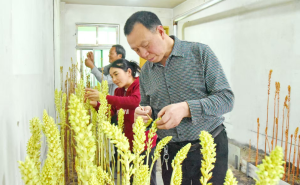
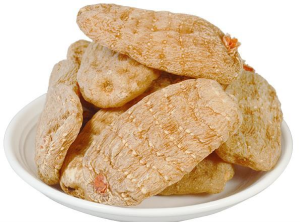
Gastrodia elata has an adjunctive role in relieving migraines and tension headaches, primarily through mechanisms that calm the liver and subdue wind, improve microcirculation, and relieve spasms and pain; however, it cannot replace first-line specific treatments.
I. Key Conclusions and Applicability
Migraine: It can reduce the severity and duration of pain during attacks, as well as associated dizziness, and is particularly suitable for patterns characterized by excessive Liver Yang rising or Wind-Phlegm disturbing the upper body; during the acute phase, it must be used in combination with triptans or nonsteroidal anti-inflammatory drugs (NSAIDs), as monotherapy has limited efficacy.
Tension-type headache: Relieves persistent dull pain by relaxing muscle tension in the head and neck and improving local blood flow; it is often used as an ingredient in compound formulations (e.g., Tianma Headache Tablets).
Classification: Classified as an adjunctive medication; treatment must be based on pattern differentiation and cannot replace standardized treatment targeting the underlying cause (e.g., antihypertensive, antiepileptic, or acute pain relief regimens).
II. Primary Mechanisms of Action
Traditional Chinese Medicine Mechanism: Entering the Liver Meridian, it possesses the effects of subduing wind and relieving spasms, pacifying Liver Yang, and dispelling wind to unblock the meridians; it is indicated for headaches caused by internal wind disturbance or hyperactivity of Liver Yang.
Modern Pharmacology: Gastrodin can modulate the sensitivity of the trigeminal vascular system, inhibit the release of substance P, dilate cerebral blood vessels, inhibit platelet aggregation, and improve microcirculation.
III. Common Formulations and Precautions
Common Forms: Whole Gastrodia elata Capsules, Tianma Xingnao Capsules, Gastrodia elata Headache Tablets (compound formulations containing Angelica dahurica, Ligusticum chuanxiong, etc.); injectable solutions take effect quickly but have slightly lower safety profiles; oral formulations are the first choice.
Contraindications and Warnings: Use with caution in pregnant or breastfeeding women and individuals with impaired liver or kidney function; If a headache is accompanied by vomiting, blurred vision, or sudden severe pain, seek immediate medical attention to rule out organic intracranial lesions; long-term use requires monitoring of liver and kidney function.
The treatment of headaches with Gastrodia elata emphasizes “differential diagnosis + combination therapy.” It is recommended to use it in combination with other herbs under a physician’s guidance, based on the type of headache and the patient’s constitution, to avoid blind, long-term reliance on a single medication.