
Gastrodia elata (Tianma) calms liver yang, eliminates internal stirring liver wind and tranquilizes the spirit without strong sedative properties. Modern pharmacological research confirms its active ingredients (gastrodin, parishin, vanillyl alcohol) regulate the balance of GABA/glutamate neurotransmitters, reduce neuroinflammation in emotional regulatory brain regions (amygdala, prefrontal cortex), relieve stress-induced emotional outbursts and stabilize mood gently and naturally. This article systematically elaborates its mood-regulating benefits, applicable crowds, action pathways, common preparations, contraindications and therapeutic diet formulas.
1 Core Mood-Stabilizing Benefits
- Calm irritability & sudden anger Suppress excessive excitation of the central nervous system triggered by liver-yang ascending, ease unexplained irritability, tantrums, impatience and emotional outbursts.
- Relieve generalized anxiety & nervous tension Ease persistent worry, inner unease, social anxiety and nervous palpitations, relieve physical anxiety manifestations such as tight chest, tense shoulders and rapid heartbeat.
- Balance mood swings Alleviate abrupt emotional fluctuations (euphoria alternating with low mood), stabilize emotional state for people with sensitive temperament and cyclical mood changes.
- Improve stress-induced insomnia that worsens mood Regulate sleep architecture, shorten sleep onset latency, reduce shallow sleep and midnight awakening; break the vicious cycle of poor sleep → emotional breakdown → worse insomnia.
- Reduce emotional triggers of physical discomfort Relieve tension headache, dizziness, head distension and hand tremors caused by bad moods, eliminate physical discomfort that further aggravates negative emotions.
- Prevent stress-induced brain damage & emotional deterioration Inhibit neuroinflammation in the amygdala and prefrontal cortex, avoid long-term stress eroding emotional regulatory centers and forming chronic emotional disorders.
2 Suitable & Unsuitable Populations
2.1 Suitable Groups
- Office workers, educators and service staff under long-term occupational stress, prone to irritability and anxiety.
- People with sensitive personalities, frequent mood swings, easy anxiety over trivial matters.
- Perimenopausal men and women with liver-yang hyperactivity: irritability, hot flashes, emotional ups and downs, insomnia.
- Patients recovering from stroke, Parkinson’s disease who suffer anxiety, depression and emotional agitation as non-motor symptoms.
- Students facing exam pressure with nervousness, emotional irritability and difficulty falling asleep.
- Sub-health populations suffering neurasthenia, anxiety state without clinical diagnosis of mental illness.
2.2 Unsuitable Groups
- Patients with severe bipolar disorder, major depressive disorder and clinical anxiety disorders: gastrodia only provides auxiliary soothing effects and cannot replace psychiatric standardized medication.
- Hypotension individuals: vasodilatory effects may cause dizziness, fatigue and low spirits.
- Pregnant women, infants under 6 years old, people with confirmed gastrodia allergy.
- Persons with severe spleen deficiency and chronic diarrhea: long-term consumption may aggravate loose stool.
- People with sluggish spirits, extreme lethargy and deficient cold constitution: single gastrodia lacks tonifying effects and needs compatibility with tonic herbs.
3 Mechanisms of Natural Mood Stabilization
3.1 Traditional Chinese Medicine Theoretical Mechanism
TCM believes unstable mood, irritability and anxiety originate from liver failing to maintain smooth dispersion, liver-yang hyperactivity generating liver wind disturbing the spirit.
Stress, suppressed emotions and staying up late damage liver’s dispersion function; liver qi stagnates and transforms into fire, liver yang surges upward to harass the heart and spirit, leading to restless spirit, easy anger, anxiety and insomnia.
Gastrodia elata targets the liver meridian, pacifies rampant liver yang, extinguishes stirring liver wind, removes pathogenic wind-fire that disturbs the spirit. When liver qi is smooth and liver yang converges, the mind settles naturally, realizing gentle mood stabilization without forcing sedation.
3.2 Modern Pharmacological Mechanism
- Rebalance excitatory & inhibitory neurotransmitters Elevate the concentration of inhibitory neurotransmitter GABA inside the brain, balance excessive glutamate excitation, calm overactive neurons in emotional control areas (amygdala, prefrontal cortex) to stop emotional overreaction.
- Suppress neuroinflammation in emotional brain regions Lower levels of inflammatory mediators TNF-α and IL-6 in the limbic system; chronic neuroinflammation is a major cause of anxiety and mood disorders, and gastrodia alleviates emotional irritability by reducing inflammation.
- Regulate hypothalamic–pituitary–adrenal (HPA) axis Inhibit excessive secretion of cortisol (stress hormone), relieve sustained stress load on the body, prevent high cortisol from inducing emotional collapse and anxiety.
- Improve cerebral blood circulation to emotional centers Dilate cerebral microvessels, boost blood supply to the prefrontal cortex and amygdala, avoid emotional chaos caused by insufficient blood and oxygen supply to brain emotional regulatory regions.
- Mild sedation without neurological suppression Different from addictive sleeping pills, gastrodia only calms excited nerves instead of strongly inhibiting the central nervous system; users stay sober during daytime without grogginess or mental retardation.
4 Common Preparations for Mood Regulation
4.1 Proprietary Chinese Medicines
- Gastrodin Tablets / Capsules Basic daily mood-soothing preparation, widely used for stress-induced irritability, anxiety, insomnia and emotional restlessness.
- Tianma Gouteng Granules Ideal for irritable people accompanied by hypertension, dizziness, head distension and liver-yang hyperactivity.
- Tianma Shugan Capsules (compound formula) Combined with liver-soothing herbs, used for liver-stagnation type anxiety and mood swings under TCM doctor guidance.
4.2 Raw medicinal materials for daily mild maintenance
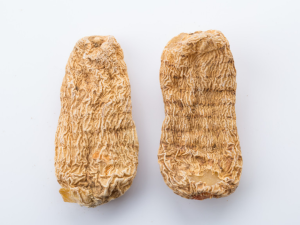
- Dried gastrodia slices: brew herbal tea for long-term emotional conditioning.
- Ultrafine gastrodia powder for oral use; safe daily maintenance dosage: 1 g–1.5 g.
5 Contraindications & Safe Usage Principles
- Standard dosage control Mood-care dosage: dried Gastrodia elata 3–10 g daily for tea or soup; gastrodia powder 1–1.5 g per day. Doses exceeding 40 g may cause fatigue, drowsiness and gastrointestinal discomfort.
- Proper cooking method Gastrodin is heat-sensitive; add gastrodia in the last 10–15 minutes of stewing soup to retain active ingredients, avoid prolonged high-temperature boiling.
- Medication combination specifications When matched with anti-anxiety western medicines, antidepressants or hypotensive drugs, reduce dosage under professional medical supervision to prevent excessive nerve inhibition or hypotension. Do not take gastrodia together with Cynanchum paniculatum per herbal incompatibility rules.
- Intermittent administration rule Do not take continuously for more than 2 weeks; stop for 3–5 days afterwards to preserve the body’s independent emotional regulation ability and avoid passive dependence.
- Clear functional positioning Gastrodia is a natural auxiliary mood stabilizer for sub-health anxiety and emotional irritability, not psychiatric medicine for severe mental disorders. If persistent depression, suicidal tendencies or severe emotional disorder occurs, seek psychiatric treatment immediately.
- Allergy precaution Allergy-prone users take 0.5 g gastrodia powder for trial administration before formal use.
6 Mood-Calming Herbal Tea & Medicinal Diet Recipes
6.1 Gastrodia Rose Soothing Tea (Daily drink to relieve irritability & emotional stagnation)
Ingredients: Gastrodia slices 3 g, rose petals 2 g, wolfberry 4 g
Method: Brew with boiling water, steep 20 minutes, refill hot water and drink in daytime.
Efficacy: Calm liver yang, soothe liver qi, relieve anger, anxiety and emotional depression caused by work stress.
6.2 Gastrodia Lily Tranquil Tea (For anxiety accompanied by insomnia)
Ingredients: Gastrodia 3 g, dried lily 5 g, wild jujube seed 4 g
Method: Steep in a thermos for 20 minutes, drink 1 hour before bedtime.
Efficacy: Stabilize mood, calm nerves, improve anxious insomnia and prevent bad moods the next day caused by poor sleep.
6.3 Gastrodia Lotus Seed Steamed Egg (Breakfast emotional maintenance)
Ingredients: Gastrodia 5 g, lotus seed 6 grains, 1 egg
Method: Decoct gastrodia for 15 minutes and filter decoction, mix lotus seed pulp and egg liquid with decoction then steam until cooked, eat every other day.
Efficacy: Calm mind, relieve inner restlessness, maintain stable mood throughout the day.
6.4 Gastrodia Lily Lean Pork Soup (Weekly emotional rehabilitation diet)
Ingredients: Gastrodia 7 g, lily bulb 10 g, lean pork 200 g, ginger 2 slices
Method: Simmer lean pork for 40 minutes, add gastrodia and lily within the final 15 minutes, season with a little salt, consume twice weekly.
Efficacy: Clear heat and calm liver, ease chronic anxiety and emotional fatigue after long-term stress.
7 Conclusion
As a plant-derived gentle mood regulator, Gastrodia elata realizes mood stabilization through calming liver wind in TCM theory and balancing neurotransmitters, restraining stress hormones and alleviating limbic neuroinflammation in modern pharmacology. Unlike synthetic mood stabilizers with heavy sedation and side effects, it calms irritability and anxiety while keeping people mentally clear during the day, effectively improving stress-driven emotional volatility, nervous anxiety and perimenopausal mood swings.
It is crucial to clarify that gastrodia cannot treat clinical mental illnesses. For stressed crowds, emotionally sensitive groups and people with mild anxiety sub-health, intermittent dietary conditioning with gastrodia combined with regular rest, emotional catharsis and decompression exercise can steadily stabilize mood, reduce the frequency of angry outbursts and anxiety episodes, and achieve natural emotional balance without drug burden.







¡Interesante! Llevo tiempo usando Gastrodia para la ansiedad, justo por lo de calmar el “yang del hígado”. Me alegra ver que la ciencia moderna confirma lo que la medicina tradicional ya sabía. ¿Alguien sabe si es mejor en decocción o en extracto para el equilibrio emocional? Me gustaría probarla con precaución y sin efectos sedantes fuertes. Gracias por el
Interesting—so Tianma isn’t just another sedative but actually works on the GABA/glutamate balance. That explains why it feels calming without knocking you out. I’ve used it for stress-related irritability, and it’s subtle but real. Good to see modern research backing up the traditional “calm liver wind” idea. Would love to hear more about dosing and long-term