
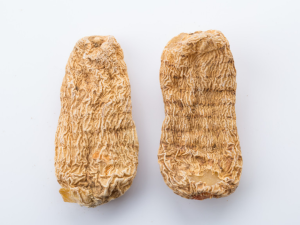
Gastrodia elata overdose refers to consuming more than 10 grams of dried gastrodia in a single day, or continuous daily intake exceeding 10 g for multiple days. Excess gastrodin accumulates in the body, causing amplified sedative, vasodilatory effects, and a series of nervous system, cardiovascular, gastrointestinal adverse reactions; severe overdose may trigger dangerous hypotension and impaired consciousness.
1. Central Nervous System Symptoms (most common early signs)
Gastrodin calms the central nervous system, and overdose leads to excessive neural inhibition:
- Persistent drowsiness, extreme fatigue, constant desire to sleep even after waking up;
- Slow reaction speed, poor concentration, brain fog, slowed thinking, clumsy movements;
- Dizziness, vertigo, lightheadedness when standing up;
- In severe cases: lethargy, sluggish consciousness, slurred speech; extremely rare coma. People who drive vehicles or operate machinery after overdosing face a high risk of accidents.
2. Cardiovascular hazards (the most dangerous complication)
Gastrodia dilates blood vessels to lower blood pressure naturally. Overdose drastically enhances this effect:
- Orthostatic hypotension: sudden blackouts, fainting upon standing;
- Continuous low blood pressure: cold extremities, pale face, palpitations, weak pulse;
- Combined with beta-blockers or hypertension drugs, it may cause critical hypotension, insufficient blood perfusion of the heart and brain, increasing the risk of myocardial ischemia and cerebral ischemia;
- Mild bradycardia occurs in some people, especially those with underlying slow heart rate.
3. Gastrointestinal discomfort
- Abdominal distension, loss of appetite, nausea and mild vomiting;
- Frequent loose stools or watery diarrhea (gastrodia’s moist, descending nature irritates intestinal peristalsis when overdosed);
- People with weak spleen and stomach may develop persistent stomach cramps.
4. Allergic aggravation (for allergy-prone people)
Even those who are not allergic to normal doses may develop allergic reactions after overdose: generalized itchy urticaria, widespread red rash, lip and eyelid swelling.
5. Rare severe overdose manifestations (single dose ≥20g or long heavy intake)
- Transient disturbance of consciousness, difficulty waking from sleep;
- Significant drop in renal blood flow due to long hypotension, temporary abnormal urine output;
- Muscle weakness throughout the body, unsteady walking;
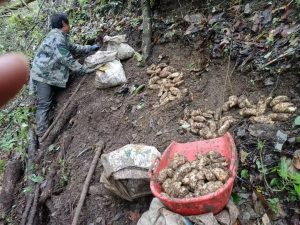
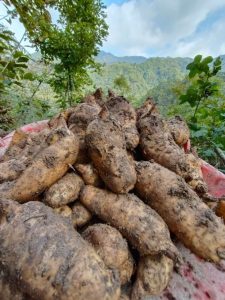
- Wild gastrodia overdose is more dangerous: unstable high gastrodin content plus heavy metals greatly raises poisoning risk.
6. Who faces higher risks from overdose
- Hypotensive individuals, patients with bradycardia or heart block;
- People taking antihypertensive drugs, sleeping pills, sedatives simultaneously;
- The elderly, children under 14, pregnant women;
- Those with liver or kidney dysfunction (organs cannot metabolize excess gastrodin rapidly).
7. Emergency treatment steps for gastrodia overdose
Mild overdose (only drowsiness, dizziness, diarrhea, no fainting)
- Stop eating gastrodia immediately; drink plenty of warm water or glucose water to accelerate metabolism and excretion;
- Lie flat and raise the feet slightly to relieve hypotensive dizziness; avoid standing abruptly;
- Eat mild staple foods such as porridge to protect the stomach and relieve diarrhea.
Moderate to severe overdose (fainting, persistent lethargy, difficulty breathing, severe palpitations)
- Seek emergency medical treatment right away;
- Hospital treatment measures: intravenous fluid supplementation to raise blood pressure, symptomatic antiemetic and antidiarrheal treatment, monitor blood pressure and heart rate continuously;
- No specific antidote for gastrodia overdose; clinical treatment relies on supportive care until gastrodin is fully metabolized.
8. Safe dosage boundary to avoid overdose
- Daily health maintenance dosage for adults: 3 g ~ 6 g dried gastrodia, safe range;
- Temporary therapeutic dosage under doctor supervision: maximum 10 g per day;
- Any single oral dose over 10 g counts as overdose.
Conclusion
Gastrodia elata is low-toxic, so mild overdose usually recovers within 1–2 days after discontinuation. The biggest danger of overdose is severe hypotension and excessive central sedation. Never blindly increase gastrodia dosage for better effects against dizziness or insomnia.


वाह, यह जानकर हैरानी हुई कि आम इस्तेमाल की जाने वाली गैस्ट्रोडिया एलेटा की ज्यादा मात्रा इतनी खतरनाक हो सकती है। 10 ग्राम से ज्य
천마가 몸에 좋다고 해서 차로 자주 끓여 먹