
Dong Quai
Astragalus
Gastrodia Elata

Chrysanthemum

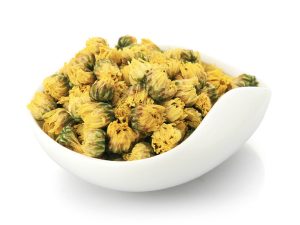
Chrysanthemum, a name in traditional Chinese medicine. It refers to the dried capitulum of Chrysanthemum morifolium Ramat., a plant of the genus Chrysanthemum in the Asteraceae family. It has the effects of dispelling wind and clearing heat, calming the liver and improving vision, and clearing heat and detoxifying. It is primarily used to treat wind-heat colds, headaches and dizziness, red, swollen, and painful eyes, blurred vision, and abscesses and swellings caused by toxins.

Well-Bottom Mud

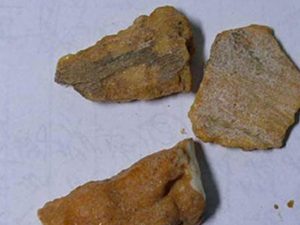
Well-bottom mud, a name in traditional Chinese medicine. It refers to the grayish-black mud deposited at the bottom of wells. It is distributed throughout the country. It has the effects of clearing heat, detoxifying, and stabilizing the fetus. It is commonly used for febrile illnesses during pregnancy, fetal restlessness, wind-heat headaches, pemphigus, heat-induced boils, and scalds and burns.

Mountain Arisaema

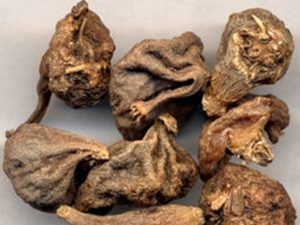
Mountain Cigu is the name of a traditional Chinese medicine. It consists of the dried pseudobulbs of the orchid species Cremastra appendiculata (D.Don) Makino, Pleione bulbocodioides (Franch.) Rolfe, or Pleione yunnanensis Rolfe. The former is commonly known as “Hairy Cigu,” while the latter two are commonly known as “Ice Ball Seeds.”It has the therapeutic effects of clearing heat and detoxifying, as well as resolving phlegm and dispersing nodules. It is primarily used to treat abscesses, boils, and carbuncles; scrofula and phlegm-nodules; snake and insect bites; and masses and lumps.

Corn Silk

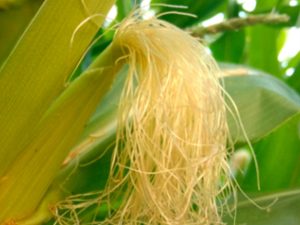
Corn Silk, a traditional Chinese medicine, consists of the dried styles and stigmas of Zea mays L., a plant of the genus Zea in the Poaceae family. This product has the effects of promoting diuresis and reducing swelling, as well as eliminating dampness and alleviating jaundice. It is primarily used to treat edema with scant urination, damp-heat jaundice, and dizziness.

Astragalus Root for Digestion Support

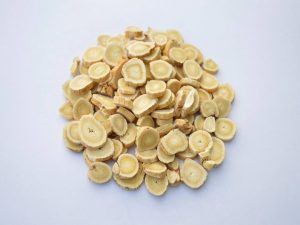
Many people struggle with persistent digestive sluggishness, post-meal bloating, low nutrient uptake, and fatigue triggered by eating. In herbal practice, poor digestion often stems from weakened core digestive energy. Astragalus root does not offer instant relief for acute stomach upset. Instead, it delivers long-term tonifying support to reinforce foundational digestive function, helping your body process … Read more
Astragalus Root for Gut Health

The gut serves as your largest immune organ. Disruption to intestinal lining, persistent gut inflammation, and unbalanced gut flora can trigger digestive discomfort, low energy, and worsened systemic immune reactivity. Astragalus root has emerged as a valuable complementary herb for long-term gastrointestinal support. It does not act as a fast-acting digestive remedy for acute stomach … Read more

Astragalus Root for Insulin Resistance

Insulin resistance occurs when body cells lose responsiveness to insulin. The pancreas must produce extra insulin to regulate blood glucose. Over time, this metabolic imbalance raises risks of elevated blood sugar, prediabetes, type 2 diabetes, weight management challenges, and metabolic syndrome. Important disclaimer: Astragalus root is complementary metabolic support, not a replacement for diabetes medication, … Read more

Astragalus Root for Post Viral Fatigue

Post viral fatigue describes persistent exhaustion, brain fog, breathlessness and low stamina that lingers weeks or months after acute viral symptoms have resolved. Many individuals struggle to regain normal energy following influenza, colds, respiratory viruses and other viral infections. Even when the virus is no longer active, the immune system remains dysregulated, tissues require repair, … Read more

Astragalus Root for Post Viral Fatigue

Post viral fatigue describes persistent exhaustion, brain fog, breathlessness and low stamina that lingers weeks or months after acute viral symptoms have resolved. Many individuals struggle to regain normal energy following influenza, colds, respiratory viruses and other viral infections. Even when the virus is no longer active, the immune system remains dysregulated, tissues require repair, … Read more

Astragalus Root to Boost White Blood Cells

Astragalus root is widely studied for its capacity to support healthy white blood cell production and activity. White blood cells (leukocytes) serve as the core soldiers of your immune system, identifying, targeting, and eliminating invading bacteria, viruses, and abnormal cells. Low white blood cell counts leave the body far more vulnerable to infections, slow healing, … Read more

Astragalus Root for Wei Qi Support

Astragalus root wei qi support represents one of the foundational, classical applications of astragalus within Traditional Chinese Medicine. Wei Qi, often translated as defensive qi, functions as your body’s outermost protective shield. It circulates just beneath the skin, lines the respiratory and mucosal tissues, and blocks external pathogenic invaders such as cold, wind, and viral … Read more

Astragalus Root for Recurrent Infections

Astragalus root recurrent infections support addresses a common wellness struggle: repeatedly falling ill with colds, sinus issues, bronchitis and other mild infections. Frequent recurring infections signal an underperforming immune system. Many people cycle through illness, recover briefly, then catch another infection soon after. Antibiotics treat bacterial infections but cannot fix weak underlying immunity. Astragalus does … Read more

Astragalus Root for Bronchitis

Astragalus root for bronchitis offers complementary herbal support for people struggling with acute or recurring bronchitis. Bronchitis involves inflammation of the bronchial tubes in the lungs, commonly triggered by viral infections, irritants, or cold weather. Symptoms include persistent cough, mucus production, chest discomfort, and shortness of breath. Critical upfront note: Astragalus is not a replacement … Read more

Astragalus Root for Asthma

Astragalus root for asthma attracts attention as a complementary herbal approach for people managing recurrent asthma symptoms. Asthma involves chronic inflammation and heightened sensitivity of the bronchial airways, which can trigger wheezing, chest tightness, shortness of breath and coughing. Attacks are frequently set off by allergens, viral infections, stress and airborne irritants. Important upfront clarification: … Read more