Dong Quai
Licorice
Goji berries
Gastrodia Elata
Cordyceps
Astragalus

Arnebia Root

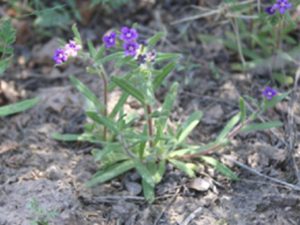
Arnebia Root, a name for a traditional Chinese medicinal herb. It is the root of Arnebia saxatilis Benth. et Hook., a plant in the Boraginaceae family. It has the properties of clearing heat, cooling the blood, stopping bleeding, and relieving coughs. It is primarily used to treat hemoptysis, coughs caused by lung heat, and the common cold.

Five-Fingered Peach

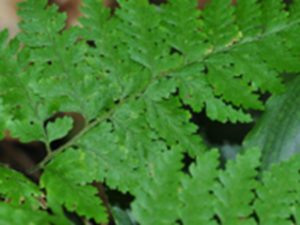
Five-Fingered Hairy Peach, a name in traditional Chinese medicine, refers to the roots of the Ficus retusa, a plant in the Moraceae family. It is primarily produced in Yunnan, Guizhou, Guangxi, Guangdong, and Fujian.This herb has the effects of strengthening the spleen and tonifying the lungs, regulating qi and draining dampness, and relaxing tendons and activating meridians. It is primarily used to treat spleen deficiency with edema, poor appetite and weakness, pulmonary tuberculosis with cough, night sweats, leukorrhea, lack of lactation after childbirth, rheumatic arthralgia, edema, ascites due to liver cirrhosis, hepatitis, and trauma-induced injuries.

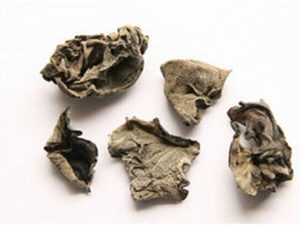
Wood Ear

Wood Ear, a name in traditional Chinese medicine. It is the fruiting body of the fungus Auricularia auricular (L.) Underw., belonging to the Auriculariaceae family.It is distributed throughout China. It has the effects of tonifying qi and nourishing blood, moistening the lungs, stopping bleeding, lowering blood pressure, and fighting cancer. It is commonly used for qi deficiency and blood deficiency, limb tremors, chronic cough due to lung deficiency, hemoptysis, hematemesis, epistaxis, bloody dysentery, bleeding from hemorrhoids, menorrhagia, hypertension, constipation, retinal hemorrhage, cervical cancer, vaginal cancer, and traumatic injuries.

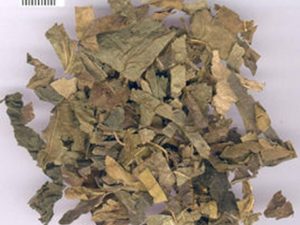
Mulberry Leaves

Mulberry leaves are a type of traditional Chinese medicine used to disperse wind-heat. First documented in the *Shennong Bencao Jing*, they are the dried leaves of the mulberry plant (Morus alba L.) of the Moraceae family and are produced in most regions of the country.Mulberry leaves have the effects of dispersing wind-heat, clearing the lungs and moistening dryness, subduing liver yang, and clearing the liver to improve vision. They are primarily used to treat conditions such as wind-heat colds, the early stages of warm diseases, lung-heat coughs, dry-heat coughs, hyperactive liver yang, and rising liver fire. In addition, mulberry leaves can cool the blood and stop bleeding, and they are also effective in improving conditions such as hemoptysis and hematemesis caused by uncontrolled blood heat.Mulberry leaves of a yellow-green color are considered the best; they can be used raw or after being honey-roasted.

Does Dong Quai Interact With Birth Control Pills?

There is no proven dangerous direct interaction that makes birth control fail, but there is a theoretical hormone interaction risk you should discuss with your doctor. Dong quai could alter hormonal balance and may affect how your body responds to synthetic hormones in oral contraceptives. Detailed breakdown Two main possible outcomes women notice 1. Increased … Read more
Does Dong Quai Interact With Warfarin?

YES — there is a significant interaction risk. Dong quai and warfarin should be used together only under close medical supervision; self-mixing them is strongly discouraged. The science behind the interaction Warfarin is an anticoagulant (blood thinner) that slows clot formation to prevent dangerous blood clots. Dong quai contains coumarin-type compounds. Two critical risks: Clinical … Read more

Can you take dong quai while breastfeeding?

Routine use of dong quai while breastfeeding is generally NOT recommended without professional guidance; most providers advise avoiding it unless supervised by both a lactation consultant and qualified herbal practitioner. There is limited high-quality safety research on dong quai passing into human breast milk. Key considerations Realistic guidance ✅ Scenario: You just gave birth and … Read more

Is Dong Quai Safe During Pregnancy?

Dong quai is NOT recommended during pregnancy, especially the first and second trimester. Most herbal clinicians advise avoiding dong quai entirely while pregnant. Why caution is needed Dong quai has two key properties: The blood-moving action carries theoretical risks in pregnancy: Traditional Chinese medicine guidance classifies dong quai as a blood-moving herb, which are generally … Read more

What are the side effects of dong quai?

Dong quai is generally well tolerated at standard doses (1.5–3g daily), but side effects can occur, especially with high doses, empty-stomach intake or sensitive constitutions. Side effects are usually mild and fade once you lower the dose or stop temporarily. Common, mild side effects Less common potential reactions Important Serious Warnings & Contraindications (who should … Read more

Can you take dong quai during your period?

It depends entirely on your flow. It is not universally safe to take dong quai while menstruating. Dong quai activates and moves blood. Its rule of thumb: ✅ Good for stagnation (scanty, stuck flow) ⚠️ Risky with heavy bleeding Two scenarios 1. You have light, dark flow with clots Safe for short use (first 1–2 … Read more

How to make dong quai tea at home?

How to Make Homemade Dong Quai Tea (Decoction),This method extracts ligustilide and active compounds far better than simply pouring hot water over it. Ingredients (Single Daily Serving) Simple Step-by-Step Method Pro Tips to improve taste & benefits ✅ Basic plain version: straight dong quai tea (slightly bitter, earthy flavour) You can add gentle pairings to … Read more

Can I take dong quai every day long term?

Not continuously every single day indefinitely. Cyclic on/off long-term use is safer than non-stop daily intake year-round. Unbroken daily long-term use raises risks of hormone receptor overstimulation, digestive issues and blood flow imbalance. Recommended long-term routine (two scenarios) 1. If you still have menstrual cycles (pre-menopause) Follow your natural cycle rhythm: ✅ Take daily only … Read more

Should You Take Dong Quai With Food?

Yes — it is strongly recommended to take dong quai alongside food, rather than on an empty stomach. Why food matters This is the most common side effect people experience when dosing on an empty stomach. Best practice routine Take your daily dong quai dose with breakfast or lunch (mid-morning meal is ideal). You can … Read more

When Is the Best Time to Take Dong Quai

Dong quai follows cycle-aligned herbal timing — this is the biggest secret most people miss. It works to nourish blood and build pelvic circulation before your period arrives, and you adjust intake according to your cycle phase. 1. Reproductive years (still having periods) ✅ Best window to take dong quai: Follicular Phase — Day after … Read more