Dong Quai
Licorice
Goji berries
Gastrodia Elata
Cordyceps
Astragalus

Tingli Seeds

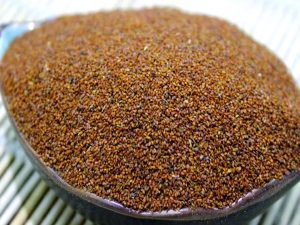
Tingli Seeds, a name in traditional Chinese medicine. These are the dried, mature seeds of the cruciferous plants Descurainia sophia (L.) Webb. ex Prantl. or Lepidium apetalum Willd.The former is commonly known as “Southern Tingli Seeds,” while the latter is commonly known as “Northern Tingli Seeds.” They have the therapeutic effects of clearing the lungs and relieving wheezing, as well as promoting diuresis and reducing swelling. They are primarily used to treat phlegm obstructing the lungs, wheezing and coughing with excessive phlegm, distension and fullness in the chest and flanks making it impossible to lie flat, edema of the chest and abdomen, and difficulty urinating.

Pharmaceutical

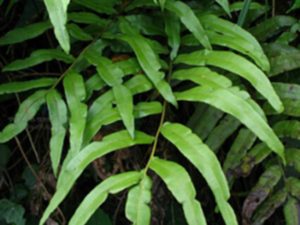
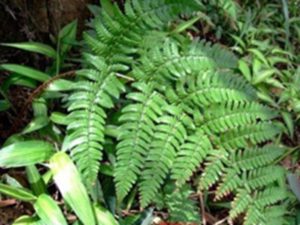
Hua Yao, a name in traditional Chinese medicine. It refers to the rhizome of Cyrtomium macrophyllum (Makino) Tagawa, a plant in the family Polypodiaceae. It has the effects of clearing heat and detoxifying, promoting blood circulation and stopping bleeding, and expelling parasites. It is used to treat burns and scalds, metrorrhagia, leukorrhea, traumatic injuries, and ascariasis.

Mulberry Leaves

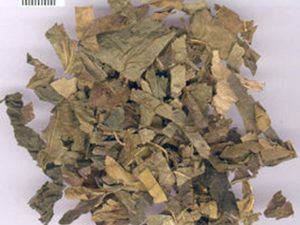
Mulberry leaves are a type of traditional Chinese medicinal herb used to disperse wind-heat. First recorded in the *Shennong Bencao Jing*, they are the dried leaves of the mulberry plant (Morus alba L.) of the Moraceae family and are produced in most regions of the country.Mulberry leaves have the effects of dispersing wind-heat, clearing the lungs and moistening dryness, subduing liver yang, and clearing the liver to improve vision. They are primarily used to treat conditions such as wind-heat colds, the early stages of warm diseases, lung-heat coughs, dry-heat coughs, hyperactive liver yang, and rising liver fire. In addition, mulberry leaves can cool the blood and stop bleeding, and they are also effective in improving conditions such as hemoptysis and hematemesis caused by uncontrolled blood heat.Mulberry leaves of a yellow-green color are considered the best; they can be used raw or after being honey-roasted.

Red-headed Erigeron

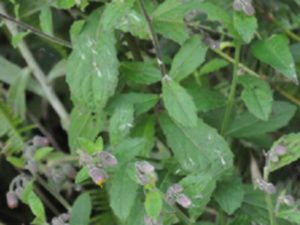
Red-headed Little Immortal is the name of a traditional Chinese medicine. It is the whole plant of Blumea mollis (D. Don) Merr. [Erigeron molle D. Don; Blumea wightiana DC.; B. parvifolia DC.], a member of the Asteraceae family.It is distributed in South China, Southwest China, and regions such as Zhejiang, Jiangxi, Taiwan, and Hunan. It has the therapeutic effects of clearing lung heat, relieving cough, detoxifying, and alleviating pain. It is commonly used to treat lung-heat-induced cough and wheezing, pediatric malnutrition, headaches, chronic rhinitis, pleurisy, stomatitis, and mastitis.

What Is Dong Quai Used For?

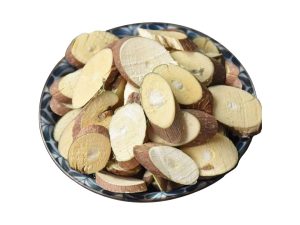
Dong quai (Angelica sinensis, Chinese angelica) is a foundational blood-nourishing and blood-moving herb in Traditional Chinese Medicine. Its uses focus on patterns known as blood deficiency and blood stagnation. Primary common uses (Women’s health / Perimenopause & Menopause) Energy & circulation support Postpartum recovery Other traditional uses Less well-known: Uses for men As we covered … Read more
Dong Quai vs Angelica Root — Are They the Same?

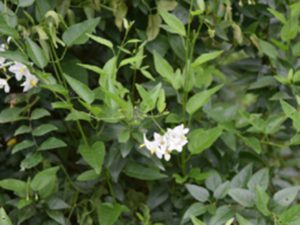
True dong quai IS Angelica sinensis root. But confusion happens because the word “angelica” refers to many different plants — not every angelica root is dong quai. 1. Proper botanical name breakdown Other plants in the Angelica genus are also sold as “angelica root”: These are different species, different properties. Key Differences to watch when … Read more

Can men take dong quai too?

Yes, men can safely take dong quai when indicated — it is not only a women’s herb. Dong quai’s common nickname “female ginseng” creates the misunderstanding that it is exclusive to women. Traditional & Modern Uses for Men In Traditional Chinese Medicine, dong quai is defined as a blood tonic and blood-moving herb, its benefits … Read more

Dong quai vs red clover for menopause symptoms?

Both used for menopause support but work differently, hormone activity, risks and best-suited people vary significantly. 1. Core Mechanism & Active Ingredients Dong Quai (Angelica sinensis) Red Clover (Trifolium pratense) 2. Primary Benefits – What each excels at Dong Quai best for: ✅ Cold hands & feet, poor circulation ✅ Menstrual cramping, stagnant, dark clotty … Read more

What is the difference between dong quai and black cohosh?

Both are popular for women’s hormone & menopause symptoms, but they work in completely different ways, safety profiles and best uses. 1. Plant Identity & Active Compounds Dong Quai (Angelica sinensis) Black Cohosh (Actaea racemosa / Cimicifuga racemosa) 2. How they act on hormones (The biggest difference) Dong Quai Contains mild phytoestrogens. It weakly binds … Read more

Is dong quai safe for breast cancer survivors?

Caution is required — dong quai is NOT automatically safe for breast cancer survivors, and you should never start it without approval from your oncologist. Safety depends mainly on your tumour hormone receptor status (ER/PR status). Key Background Dong quai contains plant phytoestrogens that bind weakly to estrogen receptors in tissue. Breast cancers fall into … Read more

Should I Stop Dong Quai Before Surgery?

YES — you must stop taking dong quai before surgery. Main Reason Dong quai has blood-moving (activating blood circulation) properties. It can increase bleeding risk during and after surgery: Recommended Timing Cease dong quai at least 7–10 days prior to any planned surgery. This gives your body enough time to clear the active compounds (ligustilide) … Read more

Can dong quai cause diarrhea or bloating?

Yes — diarrhea, loose stools and abdominal bloating are common mild side effects of dong quai, especially when improperly taken. Why this happens Dong quai contains volatile oils (ligustilide) that have two effects on digestion: Risk becomes higher when: Typical symptoms you may experience These usually start within 1–3 days after you begin taking it. … Read more

Who Should Avoid Taking Dong Quai?

Below is a clear breakdown of groups who need to skip dong quai entirely, or only use it under strict professional medical supervision. 1. Pregnant people Dong quai promotes uterine blood circulation. There is a theoretical risk of uterine cramping that may threaten pregnancy. ✅ Rule: Avoid throughout all trimesters. Exception: Rarely, a trained herbalist … Read more

Can dong quai cause sun sensitivity?

YES — dong quai can cause photosensitivity (sun sensitivity) in some people. It contains furocoumarins (呋喃香豆素) — natural compounds that make skin far more reactive to UV sunlight. How it happens When you take dong quai internally: Furocoumarins circulate in your bloodstream. When UV light hits exposed skin, these chemicals trigger a phototoxic reaction, damaging … Read more