Dong Quai
Licorice
Goji berries
Gastrodia Elata
Cordyceps
Astragalus

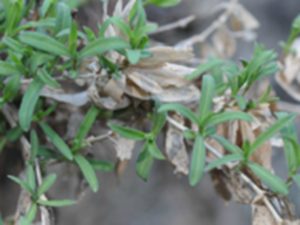
Pumpkin Vine

Pumpkin Vine is the name of a traditional Chinese medicine. It is the stem of the pumpkin (Cucurbita moschata (Duch. ex Lam.) Duch. ex Poir.), a plant belonging to the genus Cucurbita in the family Cucurbitaceae.This herb has a sweet and bitter taste and a cool nature. It enters the Liver, Stomach, and Lung meridians. It has the effects of clearing the lungs, calming the liver, harmonizing the stomach, and unblocking the meridians. It is primarily used to treat low-grade fever associated with pulmonary tuberculosis, liver and stomach qi pain, irregular menstruation, red and painful eyes due to heat, and burns from fire or water.

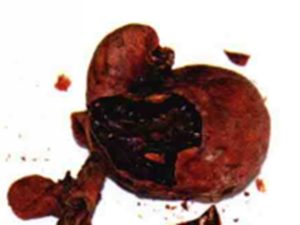
Deer Fetus

Deer Fetus is the name of a traditional Chinese medicinal material. It refers to the fetus or placenta of the sika deer (Cervus nippon Temminck) or the elk (Cervus elaphus Linnaeus) of the Cervidae family. It has the effects of warming the kidneys and strengthening yang, tonifying blood and generating essence, and regulating menstruation and stopping bleeding. It is primarily used to treat kidney yang deficiency, deficiency of essence and blood, soreness and weakness in the lower back and knees, consumptive disease, irregular menstruation, infertility due to uterine cold, and metrorrhagia and leukorrhea.

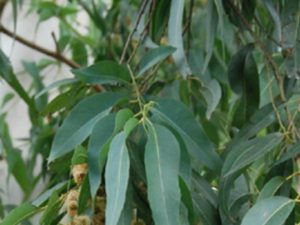
Lemon Eucalyptus Leaves

Lemon Eucalyptus Leaves, a name in traditional Chinese medicine. These are the leaves of the plant Eucalyptus citriodora Hook.f. [E. maculata Hook. var. citriodora (Hook.f.) Bailey] of the Myrtaceae family. Lemon Eucalyptus is cultivated in Fujian, Taiwan, Guangdong, Hainan, and Guangxi.It has the therapeutic effects of dispelling wind and removing dampness, strengthening the stomach and relieving pain, and detoxifying and relieving itching. It is commonly used for wind-cold colds, rheumatic bone pain, stomach pain, food stagnation, bloating, vomiting, and diarrhea caused by wind-heat, dysentery, asthma, malaria, boils and abscesses, rubella, eczema, chronic tinea, burns from fire or water, and shell-shock injuries.

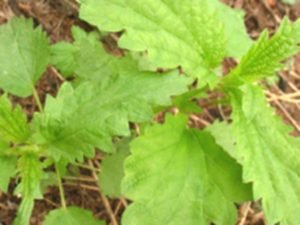
Nettle

Nettle is the name of a traditional Chinese medicine. It refers to the whole plant of the following species in the genus Urtica of the family Urticaceae: broad-leaved nettle (Urtica laetevirens Maxim.), nettle (Urtica fissa Pritz.), narrow-leaved nettle (Urtica angustifolia Fisch. et Hornem), and hemp-leaved nettle (Urtica cannabina L.).It has the therapeutic effects of dispelling wind and unblocking the meridians, calming the liver and alleviating convulsions, eliminating food stagnation and promoting bowel movements, and detoxifying. It is primarily used to treat rheumatic arthralgia, postpartum convulsions, infantile convulsions, sequelae of poliomyelitis, hypertension, indigestion, constipation, urticaria, trauma from falls and blows, and insect and snake bites.

What Does Goji Berry Do For Your Eyes?

What does goji berry do for your eyes? As a herbal pharmacist, I break down goji’s eye benefits, zeaxanthin & lutein, retinal protection, research, dosage and safety warnings. Our eyes are constantly exposed to blue light, UV radiation, oxidative stress and aging. These stressors create free radicals that damage delicate retinal tissue, especially the macula … Read more
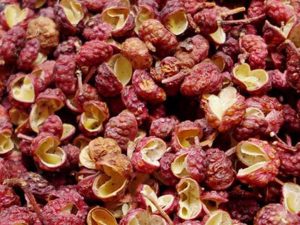

Are Goji Berries and Wolfberries the Same?

Are goji berries and wolfberries the same? As a herbal pharmacist, I break down naming origin, botanical identity, common confusion, varieties, quality differences and FAQs. Many shoppers and supplement users get confused by the names goji berry and wolfberry. They see both labels on dried berries, teas and extracts and wonder whether they are separate … Read more

What Are Goji Berries Good For?

What are goji berries good for? As a herbal pharmacist, I break down goji berry evidence-backed benefits, key active compounds, recommended dosage, safety considerations and FAQs. Goji berries (Lycium barbarum) are nutrient-dense red berries widely used in traditional herbal medicine and modern nutritional supplementation. Packed with LBP (Lycium barbarum polysaccharides), carotenoids, flavonoids, amino acids and … Read more

How to Identify Quality Licorice: Wild, Cultivated, and Counterfeit Types

Licorice predominantly grows in arid and semi‑arid desert steppes, desert fringes, and loess hilly zones. Historically, commercial licorice was sorted into two broad grades: bark‑type licorice and powder‑type licorice. Botanically, three official licorice species are recognized: Glycyrrhiza uralensis (Chinese licorice), Glycyrrhiza inflata (inflated licorice), and Glycyrrhiza glabra (glabrous licorice / licorice of‑the‑glabrous fruit). Materials come … Read more

Can Licorice Root Soothe Eczema Flare-Ups?

Yes, licorice root is a highly effective natural remedy for calming acute eczema flare-ups, reducing redness, itching, inflammation, and dry irritated skin barrier damage. As a herbal pharmacist, I recommend topical licorice as a gentle yet powerful alternative to harsh steroid creams for mild-to-moderate eczema flares. Unlike temporary itch relievers, licorice targets the immune-driven inflammation … Read more

How Does Licorice Root Support Adrenal Glands?

Licorice root supports adrenal glands uniquely by preserving active cortisol, reducing adrenal overwork, and stabilizing dysregulated HPA-axis function—making it one of the most effective herbal remedies for mild adrenal fatigue and stress burnout. As a herbal pharmacist, licorice is my go-to foundational adrenal tonic for clients dealing with chronic stress, morning fatigue, energy crashes, and … Read more

Can You Use Licorice Root Topically for Dark Spots?

Yes, licorice root is one of the safest, most effective botanical ingredients for topical fading of dark spots, hyperpigmentation, post-inflammatory discoloration, and sun melasma. As a herbal pharmacist, I often recommend licorice-infused skincare for clients struggling with stubborn facial dark spots, uneven skin tone, and post-acne hyperpigmentation. Unlike harsh brightening actives that irritate the skin … Read more

Is DGL Licorice Better for Acid Reflux?

Yes, DGL licorice is significantly better than regular full-spectrum licorice for treating acid reflux, heartburn, and mild GERD long-term. As a herbal pharmacist, DGL is my top licorice formulation for chronic reflux care. While regular licorice can offer temporary mild soothing relief, only DGL delivers safe, sustained esophageal and gastric mucosal healing required to resolve … Read more

Can Licorice Root Lower Inflammation?

Yes, licorice root is a powerful, evidence-backed anti-inflammatory herb that lowers both acute tissue inflammation and chronic low-grade systemic inflammation throughout the body. As a herbal pharmacist, I consider licorice one of the most versatile natural anti-inflammatory botanicals available. Unlike narrow-target anti-inflammatory supplements, it reduces inflammation in the gut, liver, respiratory tract, and hormonal tissues … Read more

DGL vs. Regular Licorice Root: Which Is Better?

Neither DGL nor regular licorice root is universally “better”—each is superior for completely different health goals. As a herbal pharmacist, this is the most important rule for licorice supplementation: choose by purpose, not by general strength or safety. DGL is the undisputed better choice for all digestive issues, while full-spectrum regular licorice is far better … Read more