Massage
Massage Knowledge
Massage Technique
stroking manipulation
push massage
Prone massage
Seated Massage

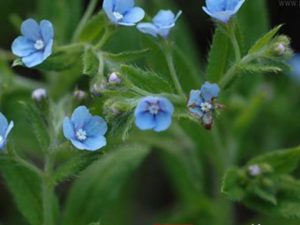
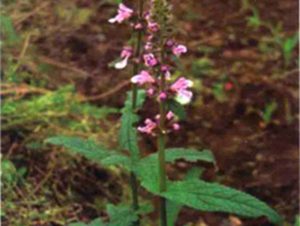
Stachys

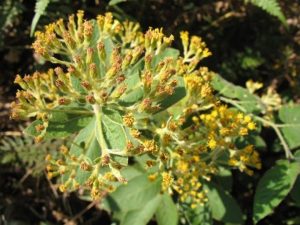
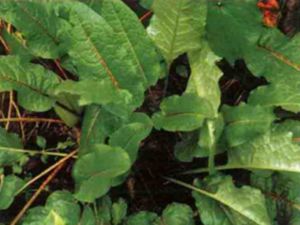
Stachys, a name in traditional Chinese medicine. Refers to the whole plant or roots of Stachys japonica Miq., Stachys chinensis Bunge ex Benth., or Stachys baicalensis Fisch. ex Benth., plants belonging to the genus Stachys in the Lamiaceae family. It has the effects of clearing heat and detoxifying, relieving coughs and soothing the throat, and stopping bleeding and reducing swelling.It is primarily used to treat the common cold, shā syndrome, pulmonary atrophy, lung abscess, headaches and dizziness, sore throat, loss of voice, hematemesis, hemoptysis, epistaxis, metrorrhagia and menorrhagia, dysentery, dysuria, and swelling and pain caused by trauma.

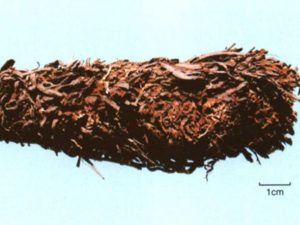
Purple Osmunda

Ziqi Guanzhong is the name of a traditional Chinese medicine. It consists of the rhizomes and leaf petiole remnants of Osmunda japonica Thunb., a plant belonging to the genus Osmunda in the family Osmundaceae. It has the effects of detoxifying, removing blood stasis, stopping bleeding, and killing parasites.It is primarily used to treat influenza, meningitis, Japanese encephalitis, mumps, boils and abscesses, measles, chickenpox, dysentery, hemoptysis, epistaxis, hematochezia, metrorrhagia, leukorrhea, and intestinal parasitic diseases such as pinworms, tapeworms, and hookworms.

Qi Snake

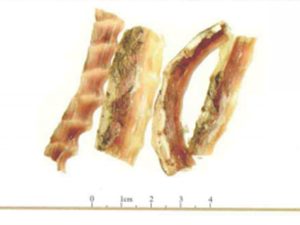
Qi Snake, a name in traditional Chinese medicine. It is the dried body of the sharp-snouted viper (Agkistrodon acutus (Güenther)), a species of the genus Agkistrodon in the family Viperidae. It has the effects of dispelling wind, unblocking meridians, and relieving spasms. It is primarily used to treat stubborn rheumatic arthralgia, hemiplegia due to stroke, infantile convulsions, tetanus, leprosy, and scabies.

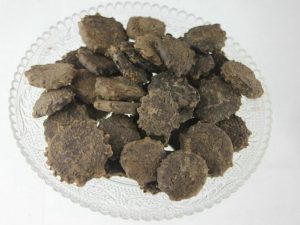
Cornelian Cherry

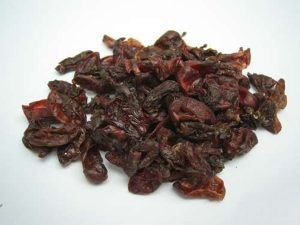
Cornus officinalis is the dried, ripe fruit pulp of Cornus officinalis, a plant of the Cornaceae family. The plant is native to Shanxi, Shaanxi, Gansu, Shandong, Jiangsu, and other regions.This herb has a sour and astringent taste, is slightly warm in nature, and enters the Liver and Kidney meridians. It has the effects of tonifying the Liver and Kidney and astringing to consolidate and prevent collapse. It is commonly used to treat weakness and soreness in the lower back and knees, dizziness and tinnitus, impotence, nocturnal emission and premature ejaculation, menorrhagia, metrorrhagia, and leukorrhea, as well as profuse sweating leading to collapse, internal heat, and excessive thirst.

Four-Finger Pushing (Si Zhi Tui Fa)

Key Points Apply force with the bellies of four fingers, press on the treatment area and push forward. Operating Procedures Put the index, middle, ring and little fingers together. Press the combined finger bellies on the patient’s treatment areas or acupoints, then push forward firmly to produce therapeutic sensations. This manipulation is Four-Finger Pushing (Si … Read more
Sword-Finger Pushing (Jian Zhi Tui Fa)

Key Points Place the combined index and middle finger bellies on the treatment area and push forward with steady force. Operating Procedures Bring your index finger and middle finger together. Press the combined finger bellies onto the patient’s treatment areas or acupoints, then push forward firmly to elicit therapeutic sensations. This method is called Sword-Finger … Read more

Thumb Pushing (Mu Zhi Tui Fa)

Key Points Apply pressure with the belly of the thumb, place it on the treatment area and push forward steadily. Operating Procedures Place the belly of your thumb on the patient’s acupoint or treatment area, then push forward to generate therapeutic sensations. This manipulation is defined as Thumb Pushing (Mu Zhi Tui Fa) (Figure 1-1). … Read more

Pushing Technique (Tui Fa)

Pushing Technique (Tui Fa) is a basic tuina manipulation. The therapist uses fingers, palms or fists to press on the patient’s body parts or acupoints, then pushes forward steadily. Finger Pushing (Zhi Tui Fa) Three mainstream styles: Thumb Pushing (Mu Zhi Tui Fa), Sword-Finger Pushing (Jian Zhi Tui Fa), Four-Finger Pushing (Si Zhi Tui Fa). … Read more

General Precautions for Tuina Massage

Tuina for Detoxification As society advances, people pay more attention to personal health and gain deeper insights into diseases. Scholars at home and abroad have proposed the toxin-induced illness theory. Therapies like intestinal cleansing and intermittent fasting have achieved remarkable results in eliminating toxins from the body. Clinical practice has proven that Tuina is an … Read more

Types and Manipulations of TuiNa Massage

Tui Na is divided into two main categories. The first is active massage, also known as self-massage, a self-administered healthcare method. The second is passive massage, performed by professional therapists on patients for medical treatment, which refers to the clinical massage therapy discussed in this article. There are numerous massage manipulations in practice, and eight … Read more

Indications and Contraindications of TuiNa Therapy

Indications Closed Joint and Soft Tissue Injuries Lumbar disc herniation, lumbar muscle sprain, piriformis syndrome, meniscus tear, knee collateral ligament injury, wrist sprain and interphalangeal joint contusion. Chronic Strain of Muscles and Ligaments Cervical muscle strain, dorsal muscle strain, lumbar muscle strain, achilles tendinitis and tennis elbow. Osteoproliferative Disorders Cervical hyperosteogeny, lumbar hyperosteogeny, knee osteoarthritis … Read more

Therapeutic Principles & Advantages of Tui Na

Therapeutic Principles From the perspective of traditional Chinese medicine, meridians circulate qi and blood, connect the body’s interior and exterior, link zang-fu organs, and run through the upper and lower body. The meridian system unifies all tissues and organs into an integrated whole to sustain normal vital activities. Based on the theories of zang-fu organs, … Read more

History of TuiNa (Chinese Massage)

Tui Na, also known as traditional Chinese massage, boasts a time-honored history spanning thousands of years. Its origin and development are recorded chronologically as follows: 3000 BCE Archaeological findings prove that Tui Na first emerged around 3000 years ago. Oracle bone inscriptions documented that ancient female shamans applied manual manipulation techniques to treat illnesses. 700 … Read more