
Poplar Bark Wine,*Wai Tai*, Volume 19, citing *Bi Xiao Fang*.,Effective for beriberi and paralysis, as well as all types of wind disorders, including chronic wind-induced stiffness and spasms of the hands and feet. Also effective for abdominal distension with hard masses as solid as stone that have persisted for years without improvement.
Poplar Bark Wine
Disclaimer: These statements have not been evaluated by the Food and Drug Administration (FDA). This product is not intended to diagnose, treat, cure, or prevent any disease. All references in this article to TCM syndrome differentiation, herbal medicines, teas, and decoctions are intended to promote TCM culture and are provided solely for educational and reference purposes.
Formulas Name : Poplar Bark Wine
Chinese Name : 白杨皮酒
Drug Formulation
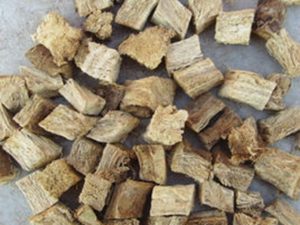
White poplar bark (harvested from the southeast-facing side, at least 3 chi above ground level; remove the outer gray bark).
Source
*Wai Tai*, Volume 19, citing *Bi Xiao Fang*.
Processing
Cut the bark into fine pieces and roast until it turns yellowish-red; stop when this color is reached. Place it in a non-porous container and soak in wine. Depending on the amount of bark, ensure the wine covers the bark by 2–3 cun. Seal the container with clay. Open and drink on the 14th day of the winter month, or after 7 days in spring and summer. Take two doses during the day and one at night, adjusting the amount to your preference, but stop when you can smell the wine.
Benefits
Effective for beriberi and paralysis, as well as all types of wind disorders, including chronic wind-induced stiffness and spasms of the hands and feet. Also effective for abdominal distension with hard masses as solid as stone that have persisted for years without improvement.
Instructions for Use
For treatable conditions, drink up to 1 shi; for severe cases, up to 2 shi, until the condition is cured. The wine must be uncharred, and the white poplar bark must not be taken from mounds or graves. Take 1 liang daily; it will induce loose stools like duck’s egg yolk.
Copyright: Excerpt from *Wai Tai*, Volume 19, citing *Bi Xiao Fang*., Copyright belongs to the Original Author and all original sources, This article was shared by DeDe on August 18, 2026, Please credit the source and include a link to the original article when reposting.
Terminology Proofreading: [Cheng Bo] | August 18, 2026 Reviewed by: [Wang Zhongxiang, Associate Chief TCM Physician (China)] | August 18, 2026
Correct Content Errors: Errors may occur during the writing, editing, translation, and publication of website content. If you find any errors or inaccurate information in this article, please feel free to Contact Us to report them, and we will correct them promptly.
FDA Disclaimer: The descriptions of the efficacy of Chinese herbal medicines, herbal teas, decoctions, and formulas, as well as the content on Traditional Chinese Medicine (TCM) diagnostic theory and traditional TCM therapies contained on this site, are intended solely for the purpose of popularizing TCM culture and serving as an educational reference; they do not constitute medical diagnosis or treatment advice. Please do not attempt to use these products on your own without proper guidance. These statements have not been evaluated by the Food and Drug Administration. This product is not intended to diagnose, treat, cure, or prevent any disease. If you are experiencing any physical discomfort, please consult a licensed healthcare professional and seek treatment at a reputable medical institution. This platform assumes no responsibility for any consequences resulting from the use of herbs or formulas by any individual based on the information provided on this site. Please read Medical Disclaimer.
Poplar Bark Wine,Effective for beriberi and paralysis, as well as all types of wind disorders, including chronic wind-induced stiffness and spasms of the hands and feet. Also effective for abdominal distension with hard masses as solid as stone that have persisted for years without improvement.