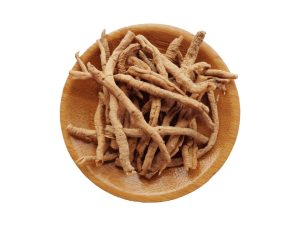
Cordyceps sinensis
lungs
cordyceps benefits
best chinese herbal tea for lungs
cordyceps tea
chinese herbs for cognitive function
Chinese Yam

Sunflower

The sunflower is a plant of the genus Helianthus in the Asteraceae family; its fruits, flowers, flower heads, leaves, stem pith, and roots are used medicinally.Sunflower seeds (fruit) have a sweet taste and neutral nature; they are effective in promoting the eruption of rashes, stopping dysentery, and draining pus from abscesses. They are primarily used to treat rashes that fail to erupt, bloody dysentery, and chronic osteomyelitis. Sunflower flowers have a slightly sweet taste and neutral nature; they are effective in dispelling wind, calming the liver, and draining dampness. They are primarily used to treat dizziness, tinnitus, and painful urination.Sunflower flower heads have a sweet taste and a cold nature; they enter the Liver meridian and have the effects of clearing heat, calming the liver, relieving pain, and stopping bleeding. They are primarily used to treat hypertension, headaches, dizziness, tinnitus, epigastric and abdominal pain, dysmenorrhea, uterine bleeding, and skin rashes;Sunflower leaves have a bitter taste and a cool nature; they lower blood pressure, arrest malaria, and detoxify. They are primarily used to treat hypertension, malaria, and boils; Sunflower stem pith has a sweet taste and a neutral nature; it enters the Bladder Meridian and has the effects of clearing heat, promoting urination, and relieving cough. It is primarily used to treat turbid urine, leukorrhea, chyluria, whooping cough, and rubella;Sunflower roots have a sweet and bland taste, a slightly cold nature, and enter the Stomach and Bladder meridians. They clear heat, drain dampness, regulate qi, and relieve pain, and are primarily used to treat dysuria with turbid discharge, edema, leukorrhea, hernias, epigastric and abdominal distension and pain, and trauma.


Polygala

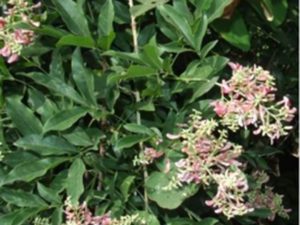
Polygala, a name in traditional Chinese medicine. It refers to the dried roots of Polygala tenuifolia Willd. or Polygala sibirica L., plants belonging to the genus Polygala in the family Polygalaceae. It has the effects of calming the mind and enhancing cognitive function, harmonizing the heart and kidneys, eliminating phlegm, and reducing swelling.It is primarily used to treat insomnia and frequent dreaming caused by a lack of communication between the heart and kidneys, as well as forgetfulness, palpitations, mental confusion, difficult expectoration, abscesses and swellings, and breast swelling and pain.

Gecko

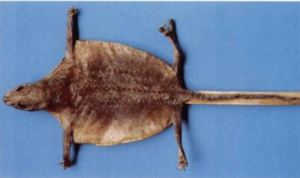
Gecko is a commonly used herb for tonifying yang; it is the dried body of the gecko (Gekko gecko Linnaeus) from the Gekkonidae family. It has the effects of tonifying the lungs and kidneys, regulating qi and alleviating wheezing, and enhancing yang and essence. It is primarily used to treat lung and kidney deficiency, wheezing and shortness of breath due to deficiency, chronic cough with hemoptysis, impotence, and nocturnal emission.

Deer Fetus

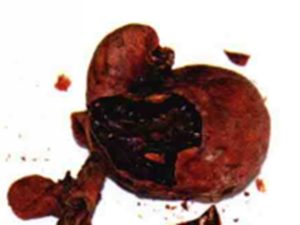
Deer Fetus is the name of a traditional Chinese medicinal material. It refers to the fetus or placenta of the sika deer (Cervus nippon Temminck) or the elk (Cervus elaphus Linnaeus) of the Cervidae family. It has the effects of warming the kidneys and strengthening yang, tonifying blood and generating essence, and regulating menstruation and stopping bleeding. It is primarily used to treat kidney yang deficiency, deficiency of essence and blood, soreness and weakness in the lower back and knees, consumptive disease, irregular menstruation, infertility due to uterine cold, and metrorrhagia and leukorrhea.

Codonopsis & Astragalus Squab Soup: Tonify Qi and Strengthen Spleen

Materials Codonopsis pilosula (Dangshen) 15g, Astragalus membranaceus (Huangqi) 20g, 1 squab, 100g lean meat, appropriate amounts of ginger slices, salt, and chicken powder. Expert’s Note Codonopsis pilosula (Dangshen) belongs to the category of qi-tonifying herbs. It is suitable for patients with deficiency pattern hypertension presenting with Spleen and Stomach deficiency, poor appetite, fatigue and lassitude. … Read more