TCM Syndrome Differentiation
TCM
Differentiation
Yin-Yang
Differentiating
lungs
TCM Methods

Peach Kernel

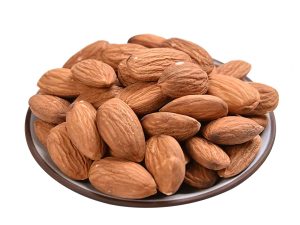
Peach Kernel, a name in traditional Chinese medicine, refers to the dried, mature seeds of the peach (Prunus persica (L.) Batsch) or mountain peach (Prunus davidiana (Carr.) Franch.), both plants of the Rosaceae family. It is primarily produced in Beijing, Shandong, Shaanxi, Henan, and Liaoning.This product has the effects of promoting blood circulation and removing blood stasis, moistening the intestines and relieving constipation, and relieving cough and wheezing. It is primarily used to treat amenorrhea and dysmenorrhea, masses and lumps, lung abscesses and intestinal abscesses, trauma from falls or blows, intestinal dryness and constipation, and cough and wheezing.

White-bracted Ajuga

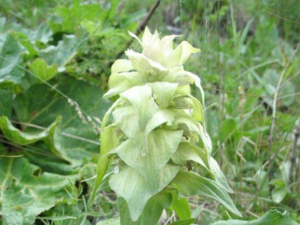
White-bracted Ajuga is the name of a traditional Chinese medicinal herb. It is Ajuga pulpinula Maxim. of the Lamiaceae family, and the whole plant is used medicinally. It has the effects of reducing fever, alleviating inflammation, promoting blood circulation, and reducing swelling. It is primarily used to treat consumptive coughs, hemoptysis, abscesses, bruises with blood stasis, facial nerve paralysis, syphilis, and anthrax.

Large-flowered Glechoma

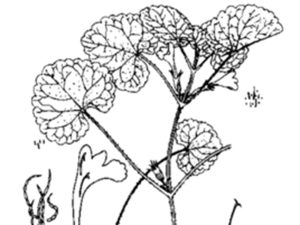
Large-flowered Glechoma, a name in traditional Chinese medicine. It refers to the whole plant of Glechoma sinograndis C.Y. Wu, a member of the Lamiaceae family. It is distributed in western, northwestern, and northeastern Yunnan. It has the effects of resolving phlegm, relieving cough, and dispersing blood stasis. It is commonly used to treat coughs with phlegm and wheezing in children, as well as fractures.

Zoumaqin

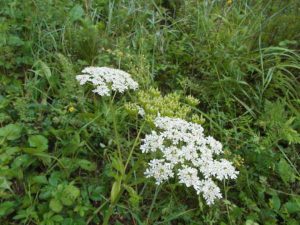
Zoumaqin, a name in traditional Chinese medicine. It is the root of Archangelica decurrens Ledeb., a plant in the Apiaceae family. It is distributed in Inner Mongolia, Xinjiang, and other regions. It has the efficacy of dispelling wind and eliminating skin spots. It is primarily used to treat vitiligo.

Scope of Application of TCM Syndrome Differentiation Methods

The theory and methods of syndrome differentiation in traditional Chinese medicine have been developed and enriched by medical practitioners throughout the dynasties and repeatedly verified through long-term clinical practice. To date, there are as many as eight commonly used methods, which can be broadly categorized into two types: syndrome differentiation for exogenous febrile wellness, primarily … Read more
Understanding TCM Syndrome Differentiation: Concepts and Features

Syndrome differentiation, which means analyzing and identifying the syndromes of a wellness, is the primary method in traditional Chinese medicine for understanding and diagnosing wellness. The process of clinical pattern identification involves analyzing and studying a patient’s wellness information to make certain judgments. Through the four diagnostic methods of inspection, auscultation and olfaction, inquiry, and … Read more

Differentiating Organ Wellness by Circadian Rhythm in TCM

The onset of wellness in the human body is often related to time and hour. Based on the principle of correspondence between the human body and the universe, this article makes a preliminary exploration into the differentiation of syndromes according to time and hour for wellness with a fixed onset time. The twelve time periods … Read more