
Compressing Grasping Manipulation

Disclaimer: All herbal teas, medicinal soups, acupuncture and Tui Na described in this article are only auxiliary wellness regimens for traditional health maintenance, not formal medical treatments. They cannot replace professional physician diagnosis, prescription drugs or clinical therapies. Anyone diagnosed with physical diseases shall strictly follow the treatment plans formulated by licensed medical practitioners. All TCM terminology, wellness regulation theories and traditional health philosophies in this text are solely for the inheritance, popularization and cultural exchange of traditional Chinese medicine. No content herein shall be deemed guidance for clinical diagnosis or medical treatment. Read more

Compression-kneading manipulation,Yasuo Nafa, a Tuina technique involving compression followed by kneading.

[Technique Essentials] Use the thumb and the palmar sides of the other four fingers to apply force relatively, grasp the supports area, and continuously squeeze with firm pressure.

[Operational Steps] The practitioner uses one or both hands, with the thumb and the palmar sides of the remaining four fingers applying opposing force, grasping the patient’s supports area or acupoint, and continuously squeezing with firm pressure. This technique is called “compressed grasping method.” When using one hand to grasp and apply firm squeezing pressure, it is called “single-handed compressed grasping method.” When using both hands to grasp and continuously apply firm squeezing pressure, it is called “double-handed compressed grasping method.
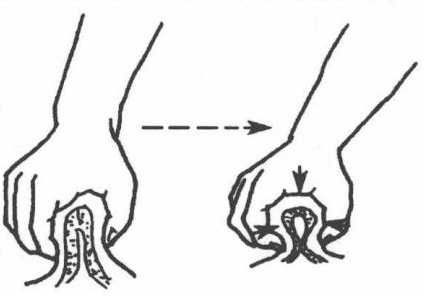
Yasuo Nafa

Yasuo Nafa

[Applicable Areas] [Intensity Perception] [Primary Therapeutic Effects] are similar to those of Rotating Grasping Manipulation (rotating grasping technique).

TCM Terminology Disclaimer:All traditional Chinese medicine (TCM) terms, descriptions, and wellness expressions including but not limited to nourishing lungs, soothing throat discomfort, supporting respiratory comfort, clearing mild internal heat, balancing qi and blood, harmonizing bodily functions, and regulating general wellness featured on this website are traditional TCM cultural descriptions and historical wellness theories only. These phrases are used solely for traditional TCM knowledge sharing and cultural interpretation. They do not constitute medical efficacy claims, have not been evaluated by the FDA, and are not intended to diagnose, treat, cure, or prevent any disease. All TCM wording describes traditional auxiliary wellness conditioning effects only and should never be interpreted as clinical medical treatment results. Individuals with confirmed illnesses must seek professional medical diagnosis and follow standard Western medical treatment.
FDA Mandatory Disclaimer:These statements have not been evaluated by the FDA. Chinese herbal dietary supplements and traditional wellness practices are not intended to diagnose, treat, cure or prevent any disease and serve only as daily auxiliary health support. If you have been diagnosed with any illness, please seek professional medical care and follow standard Western medical treatment regimens.

5 thoughts on “Compressing Grasping Manipulation”

  1. Interessant! Die Kombination aus Kompression und Kneten klingt sehr effektiv für verspannte Muskeln. Ich kannte diese Tuina-Technik noch nicht – werde sie mal bei Nackenverspannungen ausprobieren. Danke für die detaillierte Besch

    Reply
  2. Interesting technique! I’ve always wondered about the mechanics behind Tuina. The combination of compression and kneading sounds really effective for releasing tension. Do you have to adjust pressure based on the muscle group?

    Reply
  3. Fascinating! I’ve always been curious about Tuina techniques like this. The compression followed by kneading sounds really effective for releasing tension. Do you need to apply the pressure in a specific rhythm, or is it more about steady force? Would love to try it on my own shoulders!

    Reply
  4. Fascinating! I love learning about different massage techniques. The combination of compression and kneading sounds so effective for releasing tension. I’ll have to try this on my own shoulders—any tips for avoiding thumb strain?

    Reply
  5. Interesting technique! I’ve tried similar compression-kneading moves for tight shoulders, and the sustained squeeze really helps release knots. Thanks for breaking down the steps—need to practice that thumb-and-palm grip more carefully.

    Reply

Leave a Comment