
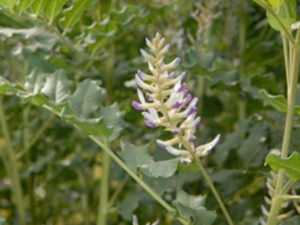
Eczema (atopic dermatitis) is a chronic inflammatory skin condition characterized by dry, itchy, red, inflamed, and irritated skin patches. It is driven by three core underlying issues: persistent skin inflammation, weakened skin barrier function, and immune/allergy dysregulation. Many conventional eczema treatments rely on steroid creams that may cause thinning skin and side effects with long-term use. Licorice root (Glycyrrhiza glabra) is a well-researched natural skin-healing herb widely used for eczema relief. It delivers powerful anti-inflammatory, anti-itch, antimicrobial, and barrier-repairing effects, making it ideal for calming mild-to-moderate eczema flare-ups and preventing recurring skin irritation. This guide covers licorice root’s scientific mechanisms, eczema-specific benefits, correct topical and internal usage, and essential safety rules.
1. How Licorice Root Improves Eczema (Core Mechanisms)
Licorice root targets the root pathological causes of eczema instead of only temporarily relieving itching, working on inflammation, immune balance, skin barrier repair, and bacterial protection:
Strong Anti-Inflammatory Action to Reduce Redness & Swelling
Chronic skin inflammation is the foundation of eczema flare-ups. Glycyrrhizic acid and liquiritigenin in licorice root significantly suppress pro-inflammatory cytokines in skin tissues. They reduce dermal redness, swelling, heat, and persistent inflammatory responses that trigger itchy eczema patches, effectively calming active eczema inflammation at the source.
Blocks Itching Sensation (Anti-Pruritic Effect)
Uncontrolled itching is the most disruptive eczema symptom, often leading to scratching, broken skin, and secondary infection. Licorice root inhibits histamine release and reduces nerve sensitivity in inflamed skin. This natural anti-itch effect provides fast relief from intense eczema itching, stopping the itch-scratch cycle that worsens eczema lesions.
Repairs Damaged Skin Barrier
Eczema patients have impaired skin barrier function, leading to excessive transepidermal water loss, persistent dryness, and easy allergen penetration. Licorice root promotes skin cell regeneration, boosts lipid layer production, and locks in skin moisture. It repairs fragile, damaged skin barriers, reducing dryness, flakiness, and long-term eczema recurrence.
Antimicrobial Protection Against Secondary Infection
Broken eczema skin is highly susceptible to Staphylococcus aureus and other bacterial infections, which aggravate inflammation and prolong flare-ups. Licorice root’s broad antibacterial properties inhibit harmful skin pathogens, prevent secondary infection of scratched eczema wounds, and accelerate skin lesion healing.
Modulates Immune & Allergic Responses
Most atopic eczema is linked to overactive immune and allergic reactions. Licorice root regulates local skin immune responses, reduces hypersensitivity to external irritants and allergens, and lowers the frequency of allergic eczema flare-ups caused by environment, diet, or seasonal changes.
2. Key Eczema-Specific Benefits
- Stops severe eczema itching instantly: Relieves persistent burning and prickly itch to break the damaging itch-scratch cycle.
- Reduces red, inflamed eczema patches: Calms active skin inflammation, fading erythema and swollen skin lesions.
- Heals dry, flaky, cracked eczema skin: Restores skin moisture and barrier function, eliminating dry scaling and peeling.
- Prevents secondary bacterial infection: Protects broken eczema skin from microbial invasion and pus formation.
- Reduces eczema flare-up frequency: Stabilizes skin immune responses to lower chronic recurrence of mild atopic eczema.
- Gentle alternative to steroid creams: No skin-thinning side effects, suitable for long-term maintenance of sensitive eczema-prone skin.
3. Optimal Usage for Eczema Relief
Licorice root for eczema works best through topical application for direct skin relief, paired with mild internal supplementation for systemic immune balance. Below are safe, effective protocols:
Topical Licorice Application (First-Line Treatment)
Licorice root skin cream/ointment: Use topical products containing 2–5% licorice root extract on clean, dry eczema patches 1–2 times daily. Consistent application rapidly reduces itching, redness, and dryness, and accelerates lesion repair. This is the most direct and effective method for local eczema flare-ups.
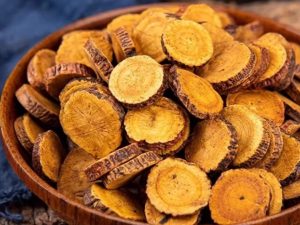
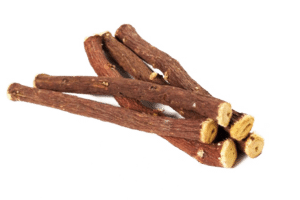
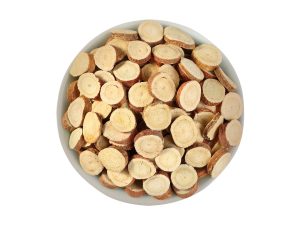
Licorice root skin soak: Steep 5–10g licorice root in hot water, cool to lukewarm, and apply as a compress or bath soak for inflamed body-wide eczema. Soak for 10 minutes daily to soothe large-area skin irritation.
Oral Licorice Supplement (Systemic Balance)
For chronic recurring eczema linked to immune and inflammatory imbalance, take 200–300mg standardized licorice root extract daily for short-term cycles. Oral intake regulates systemic inflammation and immune sensitivity to reduce overall flare-up tendency. Do not exceed dosage limits and use intermittently.
Synergistic Herbal Pairings for Eczema
Combine licorice root with anti-skin-inflammation herbs for better results. Pair with calendula for wound healing, aloe vera for intense dryness and soothing, and chamomile for sensitive allergic eczema. These blends enhance anti-itch, anti-inflammatory, and barrier-repair effects comprehensively.
4. Critical Safety Rules & Contraindications
Topical licorice root is extremely safe for skin use, while oral supplementation requires strict dosage and cycle control to avoid systemic side effects:
Oral Use Requires Intermittent Cycling
Oral licorice supplementation for eczema should be used for no more than 8 consecutive weeks with breaks in between. Long-term continuous oral intake may cause glycyrrhizic acid accumulation, leading to fluid retention, high blood pressure, or low potassium. Topical skin application has almost no systemic side effects and is safer for long-term local use.
High-Risk Groups (No Oral Use / Cautious Use)
- Hypertension, heart disease, kidney disease patients: Avoid oral licorice; topical use is generally safe.
- Pregnant and breastfeeding women: Prohibit oral intake; consult a doctor before topical use.
- Diabetic individuals and low-potassium patients: Avoid oral supplementation.
- Those with hormone-sensitive conditions: Avoid long-term oral licorice use.
Skin Patch Test Recommendation
Although rare, sensitive skin individuals may experience mild irritation. Perform a small patch test on inner arm skin before full topical application to rule out allergic reactions.
Drug Interactions
Oral licorice may interact with antihypertensive drugs, diuretics, cardiac medications, and anti-inflammatory drugs. Topical licorice has minimal drug interaction risk. Consult a healthcare provider if you take long-term medications and wish to use oral licorice for eczema.
5. Research Background
Dermatological studies confirm licorice root as a potent natural treatment for atopic dermatitis. Research shows topical licorice extract significantly reduces eczema itching, erythema, and skin dryness by inhibiting inflammatory mediators and histamine activity. Clinical trials demonstrate that licorice-based topical formulations achieve comparable mild anti-eczema effects to low-potency steroid creams with far fewer side effects, making it a gold-standard natural remedy for sensitive eczema-prone skin.
Final Summary
Licorice root is a clinically validated natural eczema remedy, ideal for mild-to-moderate atopic dermatitis, recurring skin itching, redness, and dry barrier damage. It works topically to soothe flare-ups and repair skin, and orally to regulate systemic inflammation and immune sensitivity. For safe and optimal results, prioritize topical application for active eczema and use oral supplements only short-term and intermittently. For severe, infected, or widespread eczema, combine licorice herbal care with professional dermatological treatment.



甘草根真的是被低估的天然成分!我本身也有輕微濕疹,類固醇藥膏用久了確實會讓皮膚變薄,看到這篇分析作用機制讓我更了解為什麼甘草萃取對
This is such a helpful breakdown—I’ve been curious about licorice root as a natural option for my daughter’s eczema. It’s reassuring to see the mechanisms explained clearly, especially the barrier
Interesting read! I’ve been struggling with eczema flare-ups for years and always worried about steroid overuse. It’s reassuring to see natural options like lic
甘草は昔から肌トラブルに使われてきましたが、湿疹にも効くんですね。ステロイドの副作用が心配なので、自然由来のケアはありがたいです。ただ、使い方や量を間違えると逆効果かもしれないので、記事を参考に慎重に試してみたいと思います。もっと研究が進むといいですね。
呢篇文章講甘草根治濕疹,真係幾有興趣!我本身都有輕微濕疹,成日搽類固醇怕皮膚變薄。冇諗過中藥都可以有抗炎效果,睇嚟天然嘢都有