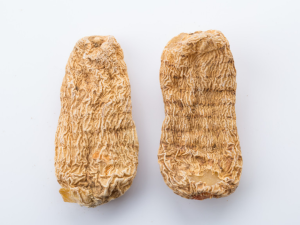
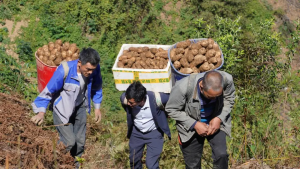
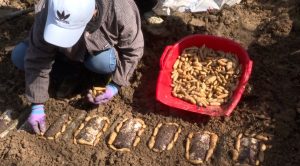
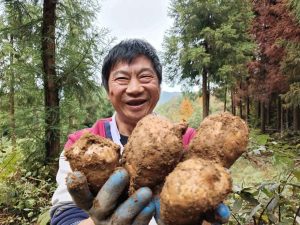
Gastrodia elata preserved by sulfur fumigation is widely sold in herbal markets for bright color, anti-mold preservation and covering mildew spots, yet long-term ingestion brings cumulative toxic damage to the digestive tract, liver, respiratory system and internal organs, which is one of the major hidden safety hazards of commercially available Tianma.
1. Formation of toxic substances inside the body
When sulfur burns, it generates sulfur dioxide (SO₂). Sulfur dioxide adheres to Tianma’s tissue and combines with water inside the human body to produce sulfurous acid and sulfites.
- Sulfites have strong corrosive and oxidative properties, directly damage mucous membranes;
- Sulfites bind with protein components of gastrodia, denature active gastrodin, greatly reduce medicinal efficacy while forming harmful derivatives;
- Excess sulfite cannot be fully decomposed by human metabolism and accumulates slowly in tissues with long-term consumption.
2. Digestive system damage (most common harm)
- Corrosion of oral, esophageal and gastric mucosa: sore throat, bitter taste, burning stomach pain, acid reflux, gastritis, frequent bloating after eating sulfur-fumigated Tianma; people with gastritis or gastric ulcers will suffer aggravated stomach lesions.
- Sulfites inhibit intestinal beneficial flora, disrupt gastrointestinal balance, causing chronic diarrhea, poor appetite and malabsorption over time.
- Many people experience persistent dry mouth and sore throat immediately after drinking sulfur-Tianma tea or soup.
3. Liver toxicity risk
The liver is responsible for decomposing sulfites. Long-term intake of sulfur-fumigated Tianma keeps the liver continuously metabolizing sulfite toxins:
- Oxidative stress occurs in liver cells, damaging hepatocytes, leading to elevated transaminase levels over time;
- For people with fatty liver, mild liver dysfunction, sulfite stimulation will accelerate liver burden and aggravate liver injury;
- Severe long-term intake may induce chronic chemical liver inflammation.
4. Respiratory irritation & allergic aggravation
- Inhalation of sulfur residues when brewing sulfur-fumigated Tianma triggers throat itching, coughing, nasal congestion and asthma attacks in people with allergies or asthma.
- Sulfite itself is a common allergen; people who are originally not allergic to Tianma may develop urticaria, skin itching and allergic dermatitis after eating sulfur-smoked products.
5. Destruction of nutritional & medicinal value
- Sulfur fumigation degrades gastrodin, parishin—the core active ingredients of Tianma, making Tianma ineffective for relieving dizziness, headache and insomnia; users tend to increase dosage blindly, further amplifying toxic intake.
- Sulfites destroy amino acids and trace elements inside Tianma, completely losing its nutritional value.
6. Additional hidden risks
- Masking inferior products: Vendors use sulfur fumigation to bleach moldy, rotten Tianma slices to a clean white appearance, allowing mold toxins (aflatoxin etc.) to remain inside rotten tubers. Mycotoxins plus sulfites cause compound toxicity, drastically increasing the risk of liver damage.
- Excessive sulfur residue violates national medicinal herb standards: qualified traditional Chinese medicine requires sulfur dioxide residue ≤150 mg/kg; heavily fumigated Tianma often exceeds the limit by 5–20 times.
7. Groups particularly vulnerable to sulfur-Tianma hazards
- Patients with gastritis, gastric ulcer, chronic liver disease;
- Asthma sufferers, allergic constitution individuals;
- Pregnant women, children, the elderly;
- People who take Tianma every day for health care long-term.
8. How to distinguish sulfur-fumigated Tianma naturally
- Color: Sulfur-fumigated Tianma is abnormally bright white or pale yellow; natural sulfur-free dried Tianma is beige, slightly dark yellow with natural color differences.
- Smell: Sulfur Tianma carries obvious sour, pungent sulfur odor; pure natural Tianma has a faint plant fragrance with no sour smell.
- Taste: Sulfur-fumigated slices taste sour and astringent when chewed; qualified Tianma is slightly sweet and sticky.
- Brewing test: After soaking sulfur Tianma in hot water, the tea water turns slightly acidic with a sour taste.
9. Conclusion & safe advice
- Sulfur-fumigated Tianma has no acute fatal toxicity under single consumption, but chronic cumulative sulfite poisoning is the main hazard, hurting the stomach and liver most significantly; rotten sulfur-bleached Tianma brings dual damage of mycotoxin + sulfite.
- Always select sulfur-free air-dried cultivated Gastrodia elata for oral use; avoid overly white, sour-smelling Tianma slices.
- If you accidentally consume sulfur-fumigated Tianma and suffer stomach burning or sore throat, stop eating immediately and drink warm milk or honey water to relieve mucosal irritation.