
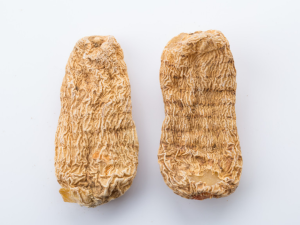
Gastrodia elata exerts natural mild central nervous system sedative effects by activating GABA inhibitory pathways in the brain to relieve anxiety, calm nerves and improve sleep. When combined with prescription sleeping pills, benzodiazepine sedatives or anti-anxiety sedatives, the two substances produce synergistic central inhibition, which greatly amplifies sedation risks and creates multiple life-threatening hidden dangers.
1. Core synergistic pharmacological mechanism
- Sedative superposition Sedatives (zolpidem, diazepam, alprazolam, eszopiclone) artificially enhance GABA activity to induce drowsiness and sleep. Gastrodin also boosts GABA binding affinity. Taken together, they excessively suppress cerebral nerve excitability far beyond the therapeutic range of sleep aid.
- Combined hypotensive effect Gastrodia dilates blood vessels to lower blood pressure; most sedatives also cause peripheral vasodilation. The combination easily triggers sudden hypotension and insufficient blood perfusion of the brain and heart.
- Slow neural reflex speed is superimposed, greatly increasing the risk of accidents.
2. Specific adverse reactions caused by mixed use
Mild adverse reactions (most common daily situations)
- Excessive daytime drowsiness, persistent grogginess, brain fog, inability to concentrate;
- Lethargy all day, muscle weakness, unsteady walking;
- Orthostatic dizziness, blackouts when standing up due to lowered blood pressure;
- Dry mouth, gastrointestinal bloating, loss of appetite.
Moderate dangerous reactions
- Oversedation: sleeping for 12+ hours continuously, difficult to wake up, sluggish response when awakened;
- Bradycardia, palpitations, abnormally slow heartbeat;
- Cognitive dullness, memory decline, slow speech;
- Increased risk of falling for elderly people.
Severe life-threatening risks (high dosage combined use)
- Respiratory depression: Excessive inhibition of the brain’s respiratory center leads to shallow, slow breathing, hypoxia, which is the leading fatal risk of mixing gastrodia and sedatives.
- Severe hypotension: Sharp drop in blood pressure may trigger syncope, cerebral ischemia, myocardial ischemia.
- Coma, loss of consciousness, requiring emergency hospital rescue.
- For people who drink alcohol while mixing these substances, respiratory suppression risk multiplies sharply.
3. Common sedative drugs with high interaction risk
- Benzodiazepines: Diazepam, alprazolam, lorazepam, clonazepam (highest risk);
- Non-benzodiazepine sleeping pills: Zolpidem, zopiclone, eszopiclone;
- Sedative antidepressants: Trazodone, mirtazapine;
- Over-the-counter antihistamine sleep aids: Diphenhydramine.
4. Crowd with extremely high danger
- Elderly adults over 60 years old (poor liver metabolism and weak respiratory regulation);
- Patients with sleep apnea, chronic bronchitis, asthma (already vulnerable to breathing insufficiency);
- People with hypotension, bradycardia, heart disease;
- Patients with liver and kidney dysfunction;
- Alcohol drinkers.
5. If you need both sleep improvement and gastrodia conditioning (safe alternative plan)
Rule 1: Strict time separation
Never take gastrodia and sedatives at the same time.
- Take sleeping pills before bedtime only;
- Eat gastrodia in the morning or noon, with an interval of more than 6 hours between the two intakes to avoid overlapping peak blood concentrations.
Rule 2: Reduce dosage respectively
- Cut the conventional dosage of sleeping pills by 1/2 under doctor approval;
- Gastrodia daily dose controlled at 3g maximum, no high-dose supplementation.
Rule 3: Short-term use only
Do not maintain combined administration for more than 7 consecutive days. Once sleep improves, gradually stop sleeping pills first, then continue intermittent gastrodia conditioning alone.
Rule 4: Never self-match combinations
Only neurologists or psychiatrists can formulate matching regimens according to sleep status and blood pressure; self-mixing is forbidden.
6. Emergency treatment for accidental mixed overdose
- If only drowsiness occurs: Stop both medicines completely, stay in bed lying flat, drink warm glucose water, avoid standing casually; closely observe breathing state.
- If breathing becomes slow/shallow, confused, difficult to wake: Call emergency services immediately.
- Do not induce vomiting for unconscious persons to prevent choking.
7. Conclusion
- Simultaneous oral intake of Gastrodia elata and sedatives/sleeping pills is not recommended, superposition of sedation may cause respiratory depression and coma in severe cases;
- For patients with insomnia combined with dizziness, migraine caused by nervous tension, medical separation administration can be adopted as a transitional scheme, long-term combined use is prohibited;
- Once a person falls into deep sleep that cannot be easily aroused after mixing the two medicines, they must be sent to hospital immediately to avoid respiratory arrest.









This is such an important reminder. I actually take a mild herbal supplement for sleep, and I never thought