
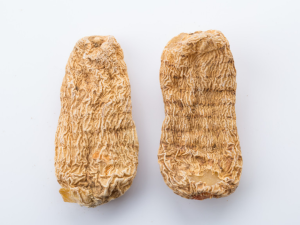
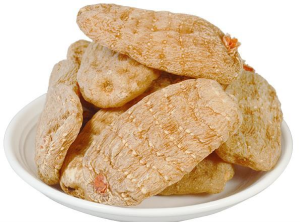
Gastrodia elata has vasodilating, sedative and anti-platelet pharmacological properties, while alcohol also dilates blood vessels, suppresses the central nervous system and irritates the gastrointestinal tract. When alcohol and Gastrodia elata are consumed together, their effects overlap and amplify, triggering multiple adverse reactions ranging from mild discomfort to life-threatening risks.
1. Severe orthostatic hypotension (most common hazard)
Gastrodia elata relaxes vascular smooth muscles to expand systemic capillaries and lower blood pressure naturally. Alcohol dilates peripheral blood vessels and reduces peripheral resistance simultaneously.
- Mild manifestations: dizziness, lightheadedness, blurred vision, fatigue, cold limbs after standing up quickly.
- Severe outcomes: sudden sharp drop in blood pressure, syncope, falls, fractures or cerebral ischemia. Elderly people and those with hypertension/hypotension face the highest risk.
2. Excessive central nervous system suppression & intoxication
Gastrodia elata boosts GABA inhibitory activity in the brain to calm nerves and induce sleep. Alcohol is a central nervous depressant. Combined use causes superposed sedation:
- Daytime lethargy, persistent brain fog, slow reaction speed, poor concentration, clumsy movement.
- Excessive drowsiness, hard to be woken up, shallow breathing in serious cases.
- If the user also takes sleeping pills, antidepressants or anti-anxiety medicines, respiratory depression may occur, which can lead to coma or even respiratory arrest.
3. Liver damage and toxin accumulation
- Both alcohol metabolism and gastrodin decomposition rely on liver cytochrome P450 enzymes. Alcohol occupies liver enzyme resources first, slowing the metabolism of active ingredients in Gastrodia elata, causing gastrodin to accumulate inside the body and raising the risk of herbal overdose.
- Alcohol produces acetaldehyde during catabolism, which injures hepatocytes. Long-term mixed drinking and Gastrodia elata intake increases the burden of the liver, elevates transaminase levels, and accelerates fatty liver development.
- Sulfur-fumigated Gastrodia elata contains sulfite residues; when combined with alcohol, liver oxidative damage is further aggravated.
4. Aggravated gastrointestinal injury and diarrhea
- Gastrodia elata has a mild laxative property that easily causes loose stools in people with weak spleen and stomach. Alcohol irritates gastric mucosa, induces gastric congestion and inflammation.
- Combined intake triggers stomach burning pain, bloating, nausea, vomiting and watery diarrhea. Patients with gastritis, gastric ulcer may suffer mucosal erosion or stomach bleeding.
5. Increased bleeding risk
Gastrodia elata inhibits platelet aggregation and slows blood clotting speed. Alcohol dilates gastric blood vessels and makes capillaries fragile.
- Minor symptoms: frequent nosebleeds, spontaneous bruising, gum bleeding while brushing teeth.
- Severe risk: gastrointestinal bleeding, especially dangerous for people taking warfarin, aspirin and other anticoagulants.
6. Counteract the medicinal efficacy of Gastrodia elata
The core purpose of taking Gastrodia elata is to relieve vertigo, tension headache, anxiety and insomnia caused by nerve tension. Alcohol excites nerves first then causes fatigue, disturbs sleep cycles, triggers vasomotor headache and nervous irritability.
Drinking alcohol completely offsets the calming, headache-relieving effects of Gastrodia elata, making herbal treatment ineffective.
7. Other uncomfortable reactions
- Tachycardia, palpitations: blood pressure fluctuates drastically, the heart beats faster to compensate hypotension, easily inducing arrhythmia in people with heart disease.
- Worsened allergy probability: alcohol increases skin vascular permeability. People allergic to Gastrodia elata are more likely to develop widespread hives, itching and edema.
Hierarchical risk grouping
- High-risk population (strictly forbidden to drink alcohol at all): Elderly over 60 years old, hypotension patients, liver/kidney disease sufferers, people on sleeping pills, antidepressants, anticoagulants. Even a small amount of alcohol may cause accidents.
- Healthy adults: Accidental minimal alcohol intake rarely causes life danger, yet dizziness and diarrhea will appear; regular drinking with Gastrodia elata still brings cumulative liver and cardiovascular damage.
Emergency handling if alcohol is consumed with Gastrodia elata
- Stop drinking and discontinue Gastrodia elata immediately, lie flat on the bed, elevate legs to promote blood reflux to the heart and brain.
- Drink warm glucose water or honey water to accelerate alcohol metabolism. Do not drink strong tea or coffee.
- Keep observing breathing and mental state. If the person cannot be awakened, breathes slowly, suffers chest tightness or faints, send to hospital emergency treatment without delay.
Conclusion
No safe dose of alcohol exists when paired with Gastrodia elata. Alcohol not only invalidates the medicinal value of Gastrodia elata but also superposes hypotension, sedation and bleeding risks. Anyone using Gastrodia elata for health conditioning or medical treatment must avoid all alcoholic beverages (beer, wine, liquor, cocktails, fermented alcoholic drinks) throughout the whole course of administration.







Wow, I