
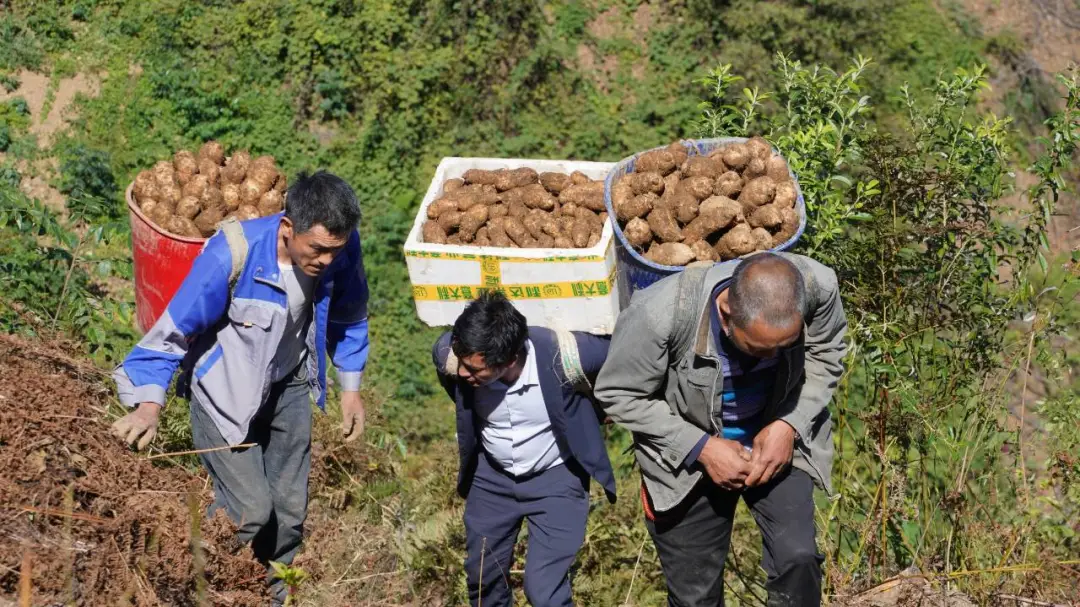
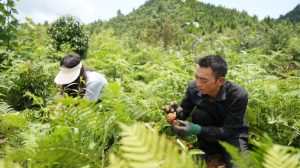
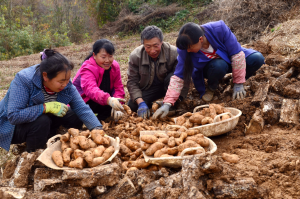
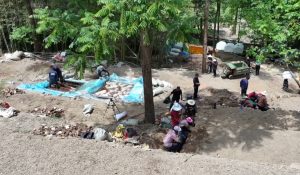
Located in the Wumeng Mountains of Zhaotong, Yunnan Province, the Zhaotong Gastrodia elata planting cluster boasts multiple standardized GAP Chinese medicinal herb bases, represented by the Xiaocaoba Demonstration Base in Yiliang County. Starting systematic research on Gastrodia GAP cultivation back in 2002, Zhaotong has built a complete production system complying with Good Agricultural Practice for Chinese Crude Drugs, paired with the national geographical indication protection system for Zhaotong Gastrodia elata (approved in 2004). As China’s core high-grade gastrodia medicinal material supply base, it delivers stable, traceable, high-content authentic gastrodia for domestic pharmaceutical groups, national TCM centralized procurement and overseas herbal markets.
1. GAP Construction Milestones & Official Qualifications
- 2002: Zhaotong Gastrodia Institute launches the special project Research on Standardized (GAP) Planting & Demonstration Base Construction for Zhaotong Gastrodia elata, laying technical foundations for GAP standardization.
- 2004: Zhaotong Gastrodia elata gains national geographical indication product protection, clarifying the legal origin scope for GAP planting areas.
- 2016–2022: Multiple core planting sections in Xiaocaoba pass third-party GAP certification successively; 28 municipal & county-level standardized demonstration bases are erected under unified GAP management norms.
- Supporting credentials: GAP bases are concurrently certified for organic agriculture, formulating local gastrodia planting standards that complement national pharmacopoeia requirements; Zhaotong Gastrodia elata is listed in the Yunnan Green Agricultural Brand Catalogue.
- Germplasm platform: China’s first gastrodia germplasm resource bank settles in Zhaotong, collecting 327 germplasm specimens to guarantee germplasm safety for GAP bases.
2. Six-Unified GAP Standardized Management System
All planting plots inside GAP bases implement unified whole-process specifications to eliminate quality differences caused by scattered cultivation:
- Unified improved seedlings: Promote fine varieties such as Zhaowu No.1, Zhaohong No.1, with a fine seed coverage rate exceeding 92%; foreign hybrid varieties are forbidden to prevent germplasm degradation.
- Unified specialized strains: Distribute domestically cultivated high-activity germination fungi and Armillaria mellea to keep symbiotic efficiency consistent across all plots.
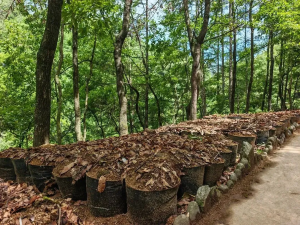
- Unified under-forest cultivation criteria: Prioritize wild-simulated planting under original oak forests, prohibit intensive greenhouse cultivation, ban forbidden pesticides & excessive chemical fertilizers in line with pollution-free GAP rules.
- Unified intelligent monitoring: Deploy soil sensors, meteorological stations and pest monitoring devices within bases to record environmental data daily and archive complete planting logs.
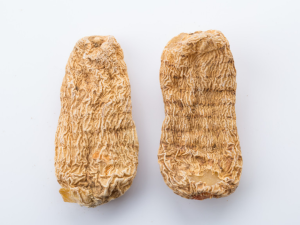
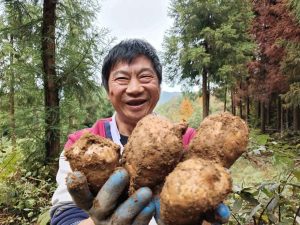
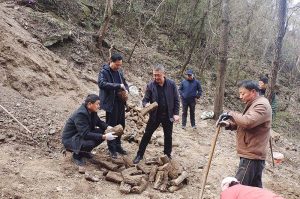
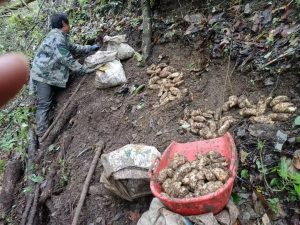
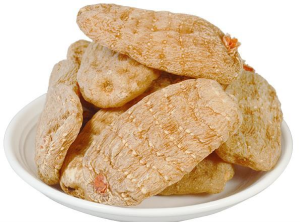
- Unified harvesting & processing: Regulate a 2–3 year growth cycle before harvesting; adopt low-temperature drying and low-sulfur processing within 72 hours after digging to reduce sulfur residues strictly.
- Whole-chain traceability: Each batch of gastrodia is bound with a QR traceability code covering seedling source, field records, inspection reports and processing information, realizing full traceability from woodland to pharmaceutical factories.
3. Wumeng Terroir That Matches GAP High-Quality Cultivation Requirements
Zhaotong’s unique high-altitude mountain ecology perfectly satisfies the strict environmental demands of GAP medicinal herb planting:
- Elevation 1800–2200 m, alpine three-dimensional climate with a temperature difference above 15°C between day and night, slowing gastrodia growth and facilitating massive accumulation of gastrodin and polysaccharides.
- Forest coverage rate above 70%, natural canopy density maintained at 70%–85% to form scattered soft light, matching the shade-loving trait of gastrodia.
- Loose selenium-rich humus soil with pH 5.0–6.0, rich in beneficial microorganisms; natural disease suppression lowers pesticide usage and satisfies organic GAP production standards.
- Zero industrial pollution across mountainous planting zones, ensuring clean and safe medicinal materials.
Test results show the gastrodin content of Zhaotong GAP-grown gastrodia averages 1.13%, 5.6 times the 0.2% standard of Chinese Pharmacopoeia, ranking first nationwide among gastrodia producing regions.
4. Base Scale & Industrial Operation Mode
By 2024, Zhaotong’s total gastrodia planting area reaches 115,700 mu, among which certified GAP standardized bases cover more than 18,000 mu, spread across 7 counties and districts of Zhaotong.
Adopt the mature mode: Leading Enterprise + GAP Base + Cooperatives + Farmers. Local authorities control the authorization of geographical indication marks uniformly, purchase qualified gastrodia at protective prices following GAP standards, and drive over 100,000 villagers to engage in the gastrodia industry for income growth.
Supported by GAP quality certification, Zhaotong gastrodia becomes a designated raw material supplier for well-known TCM enterprises at home and abroad, with export businesses covering Southeast Asia, Japan and Europe.
5. Value & Industrial Significance of Zhaotong Gastrodia GAP Base
- Quality controllability: GAP full-process standardization solves the industry pain points of uneven quality, unstable effective components and excessive pesticide residues from decentralized household planting.
- Market access qualification: GAP certification serves as the core admission credential for entering national TCM decoction piece centralized procurement and high-end pharmaceutical supply chains.
- Ecological demonstration model: Combine GAP standardized planting with under-forest economy, achieving forest protection and medicinal herb cultivation simultaneously, offering a replicable development template for alpine medicinal herb bases in southwest China.
Conclusion
Since launching GAP gastrodia planting research in 2002, Zhaotong has built large-scale standardized GAP Chinese medicinal herb bases restricted by geographical indication boundaries and production norms. Benefiting from the unique alpine terroir of the Wumeng Mountains and rigorous GAP quality control systems, Zhaotong supplies high-gastrodin, safe daodi gastrodia materials to the global TCM industry, establishing itself as a benchmark GAP gastrodia medicinal source base in China.
와, 자오퉁의 천마 GAP 재배가 이렇게 체계적으로 진행되고 있었군요. 2002년부터 연구했다니 오랜 노하우가 느껴집니다. 샤오차오바 시범기지의 품질 관리가 특히 궁금한데, 일반 재배 천마와 비교