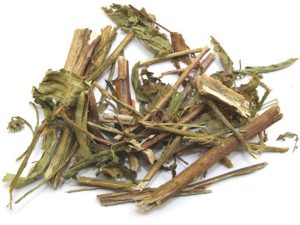
Dong Quai
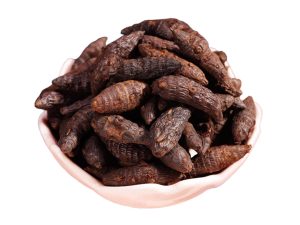
Gastrodia Elata

Phoenix Eye Fruit

Phoenix Eye Fruit is a name used in traditional Chinese medicine. It refers to the seeds of Sterculia nobilis Smith, a plant in the Sterculiaceae family. It is distributed in Guangxi, Fujian, Taiwan, Guangdong, Hainan, Yunnan, and other regions. It has the effects of harmonizing the stomach, aiding digestion, detoxifying, and killing parasites. It is used to treat regurgitation, abdominal pain caused by parasitic infestations, hernia pain, and scalp sores in children.

Camel Meat

Camel meat, a name in traditional Chinese medicine. It is the meat of the Bactrian camel (Camelus bactrianus ferus Przewalski), an animal of the Camelidae family. It is distributed in southeastern Xinjiang, Gansu, Qinghai, and Inner Mongolia.Wild camels are extremely rare and are classified as a globally rare and precious species; hunting them is strictly prohibited. It has the effects of tonifying qi and blood, strengthening tendons and bones, and moisturizing the skin. It is commonly used to treat chronic debility from prolonged illness, stubborn numbness and paralysis, and dull complexion.

Huangpi Fruit

Huangpi Fruit, a name for a traditional Chinese medicinal material. It is the ripe fruit of Clausena lansium (Lour.) Skeels, a plant belonging to the genus Clausena in the Rutaceae family. It is distributed in southwestern China as well as in Fujian, Taiwan, Guangdong, Hainan, and Guangxi. It is mostly cultivated. It has the effects of promoting the flow of qi, aiding digestion, and resolving phlegm. It is primarily used to treat food stagnation and abdominal distension, epigastric and abdominal pain, hernia pain, and coughing and wheezing caused by phlegm and fluid retention.

Saffron

Saffron, a name in traditional Chinese medicine. It is the dried stigma of the plant Crocus sativus L. of the Iris family. It has the effects of promoting blood circulation and removing blood stasis, dispersing stagnation and resolving nodules, and cooling the blood to eliminate toxins.It is primarily used to treat dysmenorrhea, amenorrhea, irregular menstruation, persistent lochia after childbirth, painful abdominal masses, injuries from falls or blows, depression and chest oppression, palpitations, rashes associated with febrile diseases, and measles.

Who Should Avoid Taking Dong Quai?

Below is a clear breakdown of groups who need to skip dong quai entirely, or only use it under strict professional medical supervision. 1. Pregnant people Dong quai promotes uterine blood circulation. There is a theoretical risk of uterine cramping that may threaten pregnancy. ✅ Rule: Avoid throughout all trimesters. Exception: Rarely, a trained herbalist … Read more

Can dong quai cause sun sensitivity?

YES — dong quai can cause photosensitivity (sun sensitivity) in some people. It contains furocoumarins (呋喃香豆素) — natural compounds that make skin far more reactive to UV sunlight. How it happens When you take dong quai internally: Furocoumarins circulate in your bloodstream. When UV light hits exposed skin, these chemicals trigger a phototoxic reaction, damaging … Read more

Does Dong Quai Interact With Birth Control Pills?

There is no proven dangerous direct interaction that makes birth control fail, but there is a theoretical hormone interaction risk you should discuss with your doctor. Dong quai could alter hormonal balance and may affect how your body responds to synthetic hormones in oral contraceptives. Detailed breakdown Two main possible outcomes women notice 1. Increased … Read more

Does Dong Quai Interact With Warfarin?

YES — there is a significant interaction risk. Dong quai and warfarin should be used together only under close medical supervision; self-mixing them is strongly discouraged. The science behind the interaction Warfarin is an anticoagulant (blood thinner) that slows clot formation to prevent dangerous blood clots. Dong quai contains coumarin-type compounds. Two critical risks: Clinical … Read more

Can you take dong quai while breastfeeding?

Routine use of dong quai while breastfeeding is generally NOT recommended without professional guidance; most providers advise avoiding it unless supervised by both a lactation consultant and qualified herbal practitioner. There is limited high-quality safety research on dong quai passing into human breast milk. Key considerations Realistic guidance ✅ Scenario: You just gave birth and … Read more

Is Dong Quai Safe During Pregnancy?

Dong quai is NOT recommended during pregnancy, especially the first and second trimester. Most herbal clinicians advise avoiding dong quai entirely while pregnant. Why caution is needed Dong quai has two key properties: The blood-moving action carries theoretical risks in pregnancy: Traditional Chinese medicine guidance classifies dong quai as a blood-moving herb, which are generally … Read more

What are the side effects of dong quai?

Dong quai is generally well tolerated at standard doses (1.5–3g daily), but side effects can occur, especially with high doses, empty-stomach intake or sensitive constitutions. Side effects are usually mild and fade once you lower the dose or stop temporarily. Common, mild side effects Less common potential reactions Important Serious Warnings & Contraindications (who should … Read more

Can you take dong quai during your period?

It depends entirely on your flow. It is not universally safe to take dong quai while menstruating. Dong quai activates and moves blood. Its rule of thumb: ✅ Good for stagnation (scanty, stuck flow) ⚠️ Risky with heavy bleeding Two scenarios 1. You have light, dark flow with clots Safe for short use (first 1–2 … Read more

How to make dong quai tea at home?

How to Make Homemade Dong Quai Tea (Decoction),This method extracts ligustilide and active compounds far better than simply pouring hot water over it. Ingredients (Single Daily Serving) Simple Step-by-Step Method Pro Tips to improve taste & benefits ✅ Basic plain version: straight dong quai tea (slightly bitter, earthy flavour) You can add gentle pairings to … Read more

Can I take dong quai every day long term?

Not continuously every single day indefinitely. Cyclic on/off long-term use is safer than non-stop daily intake year-round. Unbroken daily long-term use raises risks of hormone receptor overstimulation, digestive issues and blood flow imbalance. Recommended long-term routine (two scenarios) 1. If you still have menstrual cycles (pre-menopause) Follow your natural cycle rhythm: ✅ Take daily only … Read more