Dong Quai
Gastrodia Elata

Milkweed

Milkvine, a name in traditional Chinese medicine. It refers to the whole plant of Marsdenia sinensis Hemsl., a member of the Asclepiadaceae family. It is distributed in Zhejiang, Jiangxi, Hubei, Hunan, Fujian, Guangdong, Guangxi, and Sichuan provinces and regions. It has the therapeutic effects of tonifying the kidneys and strengthening the tendons, as well as invigorating the spleen and replenishing qi. It is commonly used to treat kidney deficiency-induced low back pain, rheumatic and overwork-related injuries, spleen and stomach deficiency, and insufficient lactation.

Yizhi Seed

Yizhiren is the name of a traditional Chinese medicine. It is the fruit of Alpinia oxyphylla Miq., a plant belonging to the genus Alpinia in the Zingiberaceae family. It has the effects of warming the spleen, stopping diarrhea, and reducing excessive salivation, as well as warming the kidneys, reducing urination, and consolidating essence. It is primarily used to treat spleen and stomach deficiency-cold, vomiting, diarrhea, cold pain in the abdomen, excessive salivation, kidney deficiency-induced enuresis, frequent urination, nocturnal emission, and leukorrhea.

Bear Meat

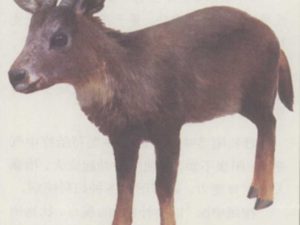
Bear meat is a name for a traditional Chinese medicinal ingredient. It refers to the meat of the black bear (Selenarctos thibetanus G. Cuvier) and the brown bear (Ursus arctos Linnaeus) of the bear family. It is effective in replenishing deficiencies and strengthening tendons and bones. It is primarily used to treat beriberi, numbness caused by wind-dampness, uncoordinated movement of the hands and feet, and spasms of the tendons and meridians.

Guangxi Maytenus

Guangxi Meidengmu, a name in traditional Chinese medicine. It refers to the roots, stems, and leaves of Maytenus guangxiensis C.Y. Cheng et W.L. Sha, a plant in the Celastraceae family. It is distributed in Guangxi. It has the effects of dispelling wind and relieving pain, as well as detoxifying and combating cancer. It is used to treat rheumatic pain, tumors, and boils.

How many weeks can you continuously take Gastrodia elata

Gastrodia elata should not be taken continuously every day indefinitely. For regular adults doing daily health maintenance (relieving dizziness, nervous tension, mild insomnia), the safe continuous intake cycle is 2 weeks (14 days maximum), then stop for 3–5 days before resuming another cycle. Under medical supervision for therapeutic purposes only, continuous administration can extend to … Read more

Is it safe to take Gastrodia elata every day long term

Gastrodia elata cannot be safely consumed every single day over the long term without interruption, even pure cultivated sulfur-free gastrodia carries cumulative side effects when taken daily continuously, and only intermittent cyclic administration conforms to safe medication rules recognized by traditional Chinese medicine and modern pharmacology. 1. Health risks of daily long-term uninterrupted intake (1) … Read more

Wild vs cultivated Gastrodia elata safety difference

Gastrodia elata is globally famous for relieving vertigo, soothing nerves and protecting cerebral blood vessels, yet wild Gastrodia elata and artificially cultivated Gastrodia elata display tremendous gaps in safety risks, pollutant exposure, pharmacological stability and legal compliance, making standardized cultivated Gastrodia elata the safer choice for daily oral intake, skincare raw material application and long-term … Read more

Gastrodia elata interact with blood pressure medicine

Gastrodia elata is a widely used medicinal herb for relieving dizziness, calming nerves, improving cerebral circulation, and assisting blood pressure regulation, but it produces significant pharmacological interactions with common prescription blood pressure medications that all hypertensive users must understand to avoid adverse health risks. Rich in gastrodin, parishin, and gastrodia polysaccharides, Gastrodia elata naturally dilates … Read more

Can you take Gastrodia elata while pregnant breastfeeding

Routine oral consumption is not recommended during pregnancy and breastfeeding; only tiny dietary doses under professional TCM physician supervision are permitted for specific illnesses, self-administration is strictly forbidden. Topical skincare use of gastrodia extract cosmetics is relatively safer (with patch testing first). 1. Pregnancy (Gestational Period) Reasons for caution & prohibition of self-use Allowed situation … Read more

Gastrodia elata side effects contraindications

Gastrodia elata Covers oral consumption, external skincare use, crowds forbidden to use, dosage risks and drug incompatibility. Part 1: Side Effects 1. Adverse reactions from oral overconsumption / long-term continuous use 2. Side effects of external skin care (gastrodia extract essence, mask) 3. Special crowd adverse manifestations Pregnant women, infants taking Tianma privately may experience … Read more