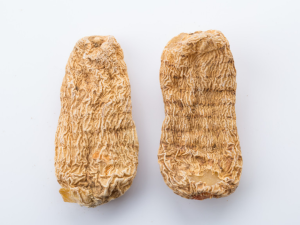
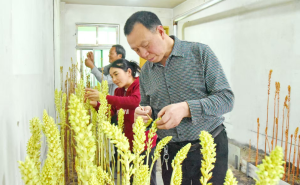
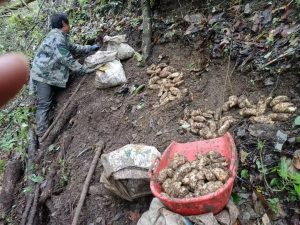
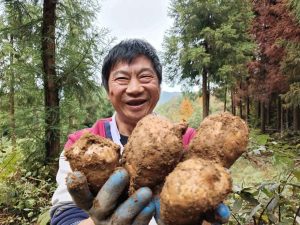
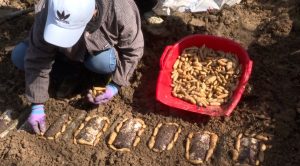
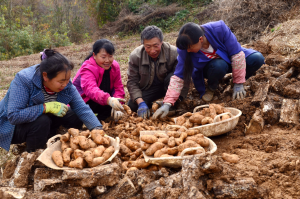
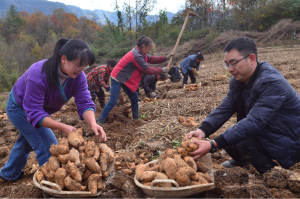
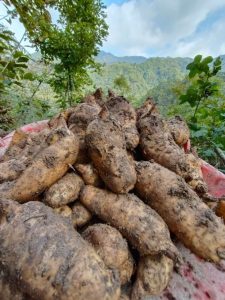
Healthy cultivated sulfur-free gastrodia has no direct hepatotoxic or nephrotoxic ingredients, but patients with liver or kidney damage cannot take Gastrodia elata casually for long-term daily health care. It may increase metabolic burden, worsen organ ischemia, and only short-term low-dose use is permitted under physician monitoring when necessary. Wild sulfur-fumigated gastrodia is strictly forbidden.
1. Metabolic characteristics of gastrodin
Gastrodin is primarily metabolized by the liver and excreted via urine:
- In people with intact liver and kidney function: gastrodin can be fully decomposed and eliminated within 48 hours, leaving no toxic accumulation.
- In patients with hepatitis, cirrhosis, nephritis, renal insufficiency: liver enzyme activity declines, glomerular filtration capacity drops. Continuous daily Tianma intake causes gastrodin metabolites to accumulate slowly in the body.
2. Risks for patients with liver disease
Risk 1: Increased hepatic metabolic load
The damaged liver needs extra effort to break down gastrodin every day, aggravating liver fatigue, which may cause elevated transaminase (ALT/AST).
Risk 2: Extra damage from inferior Tianma
- Sulfur-smoked Tianma contains sulfites, which oxidize and injure hepatocytes during metabolism, aggravating fatty liver, chronic hepatitis.
- Wild Tianma accumulates heavy metals (lead, cadmium, arsenic) that deposit in the liver and trigger chronic hepatic injury.
Risk 3: Hypotension-induced liver ischemia
Tianma dilates blood vessels and lowers blood pressure. Patients with cirrhosis often have unstable blood pressure; excessive hypotension reduces hepatic arterial blood flow, leading to liver tissue ischemia and further deterioration of liver function.
3. Risks for patients with kidney disease
Risk 1: Persistent filtration burden
Gastrodin metabolites rely on kidney filtration for excretion. Long-term use keeps damaged kidneys working continuously, increasing glomerular pressure and accelerating progression of proteinuria, renal fibrosis.
Risk 2: Ischemic kidney damage
Hypotensive effects of Tianma reduce renal blood perfusion. Chronic renal ischemia will worsen kidney function, especially for people with diabetic nephropathy and hypertensive nephropathy.
Risk 3: Heavy metal hazard of wild Tianma
Heavy metals preferentially deposit in renal tubules, easily causing tubular necrosis and worsening renal failure.
4. Additional compound risks
- If patients simultaneously take hepatotoxic drugs (statins, antibiotics, painkillers) or nephrotoxic western medicines, combining with Tianma will superimpose organ burden.
- Tianma has mild anti-platelet effects. Patients with liver cirrhosis often have coagulation disorders; taking Tianma raises the risk of gastrointestinal bleeding and subcutaneous bleeding.
5. Who must completely avoid Tianma
- Decompensated cirrhosis, severe hepatitis, liver failure;
- Medium-to-severe renal insufficiency, uremia, nephrotic syndrome;
- Patients with both liver and kidney damage;
- Liver/kidney disease combined with hypotension.
6. Strict safe rules if Tianma must be used therapeutically
Indications: complicated severe migraine, nervous tics, intractable insomnia caused by liver–kidney disease, approved by hepatologist + traditional Chinese medicine physician together.
- Only use sulfur-free artificially cultivated Tianma, wild Tianma and cheap sulfur-fumigated slices are prohibited entirely.
- Ultra-low dosage: daily consumption ≤ 2 g dried Tianma.
- Short cycle only: continuous use maximum 7 days, then stop for 7 days; total usage shall not exceed 4 weeks. Long cyclic maintenance is banned.
- Stagger the time of Tianma and western medicines by more than 4 hours to avoid overlapping metabolism peaks.
- Recheck liver function, renal function and blood pressure every 3–5 days during use; stop Tianma immediately if transaminase rises, urine protein increases or blood pressure drops.
- Formulate prescriptions with liver-protecting, kidney-tonifying medicinal herbs (astragalus, poria, lotus seed) to offset burden, never take Tianma alone.
7. Stop consumption immediately once these warning signs appear
- Liver manifestations: fatigue, loss of appetite, yellow eyes/skin, right upper abdominal distension;
- Kidney manifestations: foamy urine, swollen ankles, increased nocturia;
- General signs: persistent dizziness, hypotension, continuous loose stools.
8. Summary
- Pure qualified Tianma itself is not toxic to the liver and kidneys, but long-term regular consumption creates metabolic burden and ischemic damage for people with liver/kidney lesions.
- Sulfur-fumigated and wild Tianma bring sulfite & heavy metal pollution, which will directly damage the liver and kidneys, absolutely forbidden.
- Liver and kidney disease patients should not take Tianma for health care purposes. If medical use is required due to complications, it must follow ultra-low-dose, short-course protocols under dual medical monitoring of Western medicine and TCM doctors.