Search for Herbal Teas Recipes by Symptom:

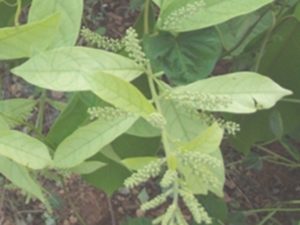
Huafengchezi

Huafengchezi, a name in traditional Chinese medicine. It refers to the roots or leaves of Combretum alfredii Hance, a plant in the genus Combretum of the family Combretaceae. It is distributed in Jiangxi, Hunan, Guangxi, Guangdong, and other regions. The roots have the effects of clearing heat and promoting bile secretion, and are used to treat jaundice-type hepatitis; the leaves have anthelmintic effects and are used to treat ascariasis and trichuriasis; fresh leaves are applied topically to treat burns and scalds.

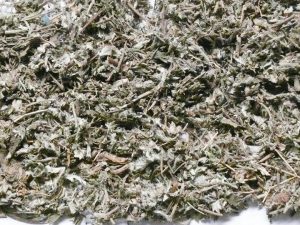
Fanbaicao

Fuanbaicao is the name of a traditional Chinese medicine. It is the dried whole herb of Potentilla discolor Bge., a plant in the Rosaceae family. It has the effects of clearing heat and detoxifying, stopping dysentery, and arresting bleeding. It is primarily used to treat damp-heat diarrhea and dysentery, abscesses, swellings, and toxic sores, as well as blood-heat-induced vomiting of blood, epistaxis, bloody stools, and metrorrhagia and menorrhagia.

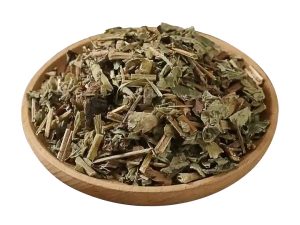
Agrimonia

Agrimonia pilosa, a name in traditional Chinese medicine, refers to the dried aerial parts of Agrimonia pilosa Ledeb., a plant belonging to the genus Agrimonia in the Rosaceae family. It is primarily produced in Zhejiang, Jiangsu, and Hubei.This herb has astringent and hemostatic properties; it also treats malaria, stops dysentery, detoxifies, and tonifies deficiency. It is primarily used to treat hemoptysis, hematemesis, metrorrhagia and menorrhagia, malaria, bloody dysentery, abscesses, boils, and skin infections, vaginal itching and leukorrhea, as well as exhaustion and overwork-induced debility.

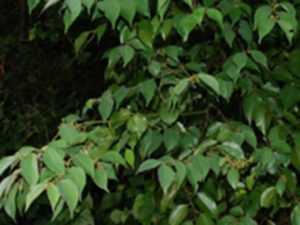
Yunnan Cinnamon

Yunnan Chai Gui is the name of a traditional Chinese medicine. It consists of the leaves, branches, or bark of Neocinnamomum delavayi (Lec.) Liou, a plant belonging to the genus Neocinnamomum in the Lauraceae family. It is distributed in Sichuan, Yunnan, and Tibet. It has the therapeutic effects of dispelling wind and unblocking the meridians, dispelling cold and relieving pain, and stopping bleeding. It is used to treat wind-cold colds, stomach pain caused by cold, rheumatic arthralgia, pain from falls and blows, and bleeding from external injuries.

Prevention and Treatment of Eczema in TCM

Eczema is a common form of epidermal inflammation. Its etiology is complex and may be related to certain internal and external factors, although external causes are not evident in most patients. It is generally believed to be closely associated with allergic reactions. The main characteristics of eczema include severe itching, skin lesions of various forms—primarily … Read more
Prevention of Allergic Rhinitis in TCM

Allergic rhinitis, also known as allergic rhinitis, is a relatively common and frequently occurring nasal disorder in clinical practice. This condition is similar to “nasal congestion” in Traditional Chinese Medicine. It is an abnormal reaction characterized primarily by lesions of the nasal mucosa, resulting from the body’s increased sensitivity to certain allergens. Clinically, this condition … Read more

Prevention of Allergic Diseases in TCM

According to reports, there are 30 families and dozens of plant species in China that grow, bloom, and release pollen in rotation throughout the different seasons, causing allergic conditions to flare up in succession. For people with pollen allergies, the period from mid- to late April through May, or September and October, is truly a … Read more

TCM Treatment for Pediatric Anorexia

Anorexia refers to a prolonged period of reduced or lost appetite. The causes of anorexia are multifaceted. Some children eat only snacks such as candy and show no interest in nutritious family meals; over time, this can affect their growth and development, so these eating habits must be corrected. In some children, anorexia results from … Read more

Prevention of Acute Nephritis in TCM

Acute nephritis, also known as acute glomerulonephritis, is a group of diffuse glomerular inflammatory lesions characterized by acute onset and caused by post-infectious immune reactions resulting from various etiologies. The vast majority of cases are caused by streptococcal infections. This condition is a common pediatric disease, primarily affecting children aged 5 to 10 years; it … Read more

Prevention and Treatment of Mumps in TCM

Mumps is one of the most common childhood illnesses. In Traditional Chinese Medicine, it is commonly known as “toad plague” and is an acute, systemic infectious disease caused by the wind-heat virus. This disease can occur throughout the year, but it is more prevalent in winter and spring. The typical age range for onset is … Read more

TCM Treatment for Menopausal Syndrome

Around the time of menopause, women may experience a number of menopause-related symptoms, such as dizziness, tinnitus, sweating, palpitations, insomnia, irritability, hot flashes, menstrual irregularities, emotional instability, loss of appetite, loose stools, increased skin temperature and numbness in the fingers, and lower limb edema. These symptoms are collectively referred to as menopausal syndrome. Simply put, … Read more

Treatment of Postpartum Disorders in TCM

What are postpartum disorders? Postpartum disorders refer to conditions that occur in women from immediately after childbirth through the postpartum period and are related to childbirth or the postpartum recovery process. There are many common postpartum conditions seen in clinical practice, such as postpartum abdominal pain, spontaneous sweating, night sweats, postpartum spasms, postpartum fainting due … Read more

TCM Treatment for Female Infertility

Infertility refers to a situation where a married couple desires to have children, has lived together for more than two years, the man has normal reproductive function, yet the woman has not conceived. If a woman has never conceived since marriage, it is called “primary infertility”; if she has previously given birth or had a … Read more