Search for Herbal Teas Recipes by Symptom:

Leimog

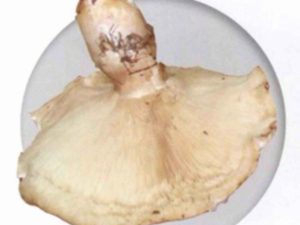
Leimogu is a name used in traditional Chinese medicine. It refers to the fruiting bodies of the fungi Leucopaxillus giganteus (Sow. ex Fr.) Sing. and Leucopaxillus candidus (Bres.) Sing., both belonging to the family Leucopaxillaceae.Leucopaxillus giganteus is distributed in Northeast China, as well as Inner Mongolia, Hebei, Xinjiang, Qinghai, Zhejiang, Fujian, Guangxi, Yunnan, and Tibet. Leucopaxillus candidus is distributed in Heilongjiang, Shanxi, Qinghai, and other regions. It has the therapeutic effects of relieving exterior syndromes, clearing heat, promoting the eruption of rashes, aiding digestion, and combating tuberculosis. It is commonly used for the treatment of colds and coughs, measles with incomplete eruption, food stagnation, epigastric and abdominal distension, and pulmonary tuberculosis.

Gourd

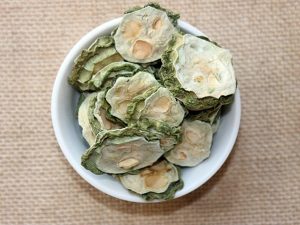
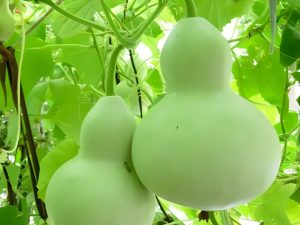
Gourd, a name in traditional Chinese medicine. It is the dried fruit peel of Lagenaria siceraria (Molina) Standl. var. depressa (Ser.) Hara, a plant of the genus Lagenaria in the Cucurbitaceae family. It is produced in most regions of China.This herb has a sweet taste and neutral nature; it enters the Lung, Spleen, and Kidney meridians. It promotes diuresis, reduces swelling, relieves dysuria, and alleviates jaundice. It is primarily used to treat edema, abdominal distension, dysuria, and jaundice.

Field-lipped Blackfly-wing

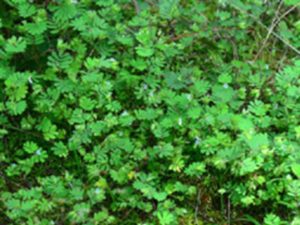
Tianchun Wuyingyi is the name of a traditional Chinese medicine. It is the whole plant of Smithia sensitiva Ait. (genus Smithia, family Fabaceae). The plant Smithia sensitiva is distributed in Fujian, Taiwan, Hunan, Guangdong, Hainan, Guangxi, Sichuan, and Yunnan. It has the effects of detoxifying, reducing swelling, and relieving coughs. It is primarily used to treat leptospirosis, abscesses, boils, and toxic sores, as well as venomous snake bites and coughs.

Saffron

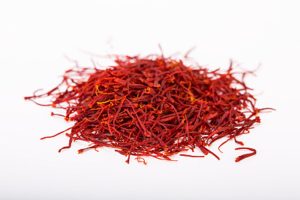
Saffron, a name in traditional Chinese medicine. It is the dried stigma of the plant Crocus sativus L. of the Iris family. It has the effects of promoting blood circulation and removing blood stasis, dispersing stagnation and resolving nodules, and cooling the blood to eliminate toxins.It is primarily used to treat dysmenorrhea, amenorrhea, irregular menstruation, persistent lochia after childbirth, painful abdominal masses, injuries from falls or blows, depression and chest oppression, palpitations, rashes associated with febrile diseases, and measles.

Prevention of Benign Prostatic Hyperplasia in TCM

Benign prostatic hyperplasia (BPH), also known as benign prostatic enlargement, is a common condition among older men. Starting at age 40, men experience varying degrees of prostate enlargement, though symptoms generally do not appear until after age 50. The timing of symptom onset is related to the location and extent of the glandular enlargement. The … Read more
Traditional Chinese Medicine Treatment for Cystitis

Cystitis is one of the main types of urinary tract infections and is most commonly seen in married women. Cystitis is classified as either acute or chronic, and can also be categorized as specific or nonspecific. Here, we will focus solely on nonspecific, acute, and chronic cystitis. Under normal circumstances, a small number of bacteria … Read more

Prevention and Treatment of Urinary Tract Stones

Urinary tract stones are a common condition of the urinary system, including kidney stones, bladder stones, and ureteral stones. Their incidence shows distinct regional variations and is closely related to the calcium content in drinking water and individual metabolism. In traditional Chinese medicine, this condition falls under the categories of “sha lin,” “shi lin,” and … Read more

Prevention of Chronic Pancreatitis in TCM

Chronic pancreatitis is a disease characterized by progressive necrosis and fibrosis of the pancreatic parenchyma due to various causes, leading to a decline in both endocrine and exocrine functions. The average age of onset is 38 years, with men being more commonly affected than women. Clinical manifestations include recurrent, intractable upper abdominal pain, weight loss, … Read more

Prevention of Acute Pancreatitis in TCM

Acute pancreatitis is an acute inflammatory condition caused by the pancreas’s digestive enzymes digesting the pancreas itself; it is one of the more common conditions among acute abdominal emergencies. It most frequently occurs in young and middle-aged adults aged 20 to 50, with a slightly higher incidence in women than in men. The exact cause … Read more

Prevention of Biliary Tract Infections and Cholelithiasis

Biliary tract infections and cholelithiasis are collective terms for acute and chronic inflammation and calculous lesions of the biliary tract system. The incidence is higher in China’s coastal regions and some southern provinces, making them common and prevalent diseases that pose a threat to public health. A biliary tract infection refers to a bacterial infection … Read more

Prevention and Treatment of Diabetes in TCM

Diabetes is a common metabolic and endocrine disorder. Its primary pathological change is an absolute or relative deficiency of insulin secretion, leading to imbalances in glucose, electrolyte, and acid-base levels. This disease can be classified into many types based on age of onset, clinical manifestations, and the patient’s insulin requirements. In Traditional Chinese Medicine, this … Read more

Acute Pancreatitis: TCM Patterns and Prevention

Acute pancreatitis is an acute abdominal condition caused by the pancreas’s digestive enzymes digesting the pancreas itself. In China, biliary tract diseases are the primary cause; internationally, alcohol intoxication is the leading cause. It falls under the categories of “Jiexiong,” “Abdominal Pain,” and “Spleen-Heart Pain” in Traditional Chinese Medicine. Etiology Modern Medicine: Obstruction of the … Read more

Biliary Tract Infections and Gallstones: TCM Treatments

Biliary tract infections and cholelithiasis are collective terms for acute and chronic inflammation and calculous lesions of the biliary tract system. Infection and gallstones are interrelated; 80–90% of cases of gallstone obstruction are complicated by infection. Common pathogenic bacteria include Escherichia coli, Pseudomonas aeruginosa, and anaerobic bacteria. Factors Contributing to Gallstone Formation 1. Dietary Factors: … Read more