Search for Herbal Teas Recipes by Symptom:

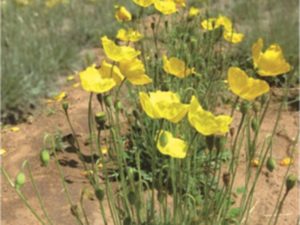
Chinese Poppy

Chinese Poppy, a name in traditional Chinese medicine. It refers to the fruit husks or the whole plant of Papaver nudicaule L. var. chinense (Regel) Fedde, a member of the Papaveraceae family. It has the effects of tonifying the lungs and relieving cough, astringing the intestines and stopping diarrhea, and relieving pain.It is used to treat chronic cough and wheezing, chronic diarrhea, chronic dysentery, headaches, stomach pain, pain in the chest and abdomen, rheumatic arthralgia, and injuries from falls or blows.

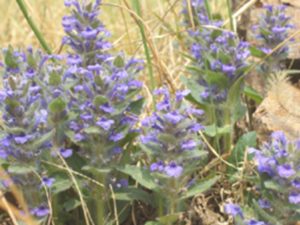
Many-flowered Ajuga

Ajugamultiflora, a name in traditional Chinese medicine. It refers to the whole plant of Ajugamultiflora Bunge, a member of the Lamiaceae family. It is distributed in Heilongjiang, Liaoning, Hebei, Inner Mongolia, Jiangsu, Anhui, and other regions. It has the effects of clearing heat, detoxifying, and stopping bleeding. It is commonly used to treat coughs caused by lung heat, hemoptysis, and abscesses and swellings caused by toxins.

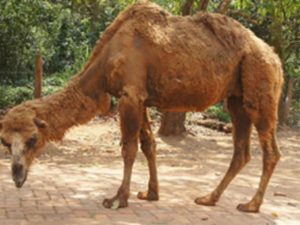
Camel Meat

Camel meat, a name in traditional Chinese medicine. It is the meat of the Bactrian camel (Camelus bactrianus ferus Przewalski), an animal of the Camelidae family. It is distributed in southeastern Xinjiang, Gansu, Qinghai, and Inner Mongolia.Wild camels are extremely rare and are classified as a globally rare and precious species; hunting them is strictly prohibited. It has the effects of tonifying qi and blood, strengthening tendons and bones, and moisturizing the skin. It is commonly used to treat chronic debility from prolonged illness, stubborn numbness and paralysis, and dull complexion.

Pharmaceutical

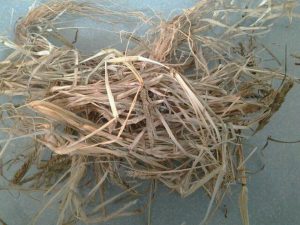
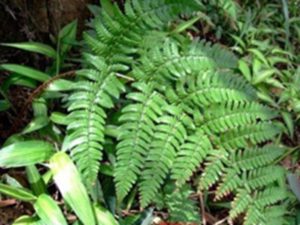
Hua Yao, a name in traditional Chinese medicine. It refers to the rhizome of Cyrtomium macrophyllum (Makino) Tagawa, a plant in the family Polypodiaceae. It has the effects of clearing heat and detoxifying, promoting blood circulation and stopping bleeding, and expelling parasites. It is used to treat burns and scalds, metrorrhagia, leukorrhea, traumatic injuries, and ascariasis.

Preventing Brain Injury with TCM

Brain injury, also known as traumatic brain injury, can be classified into two types: open traumatic brain injury and closed traumatic brain injury. Open traumatic brain injury is typically caused by direct impact to the head from sharp objects such as knives, bullets, or shrapnel, and is accompanied by skull fractures; closed traumatic brain injury, … Read more
Treatment Methods for Bi Syndrome in TCM

“Bi” refers to obstruction and blockage. Bi syndrome is a general term for a class of diseases in which the muscles, skin, and meridians are invaded by external pathogenic factors, leading to obstruction of qi and blood, and resulting in pain, soreness, numbness, and difficulty in flexing and extending the tendons, bones, joints, and muscles. … Read more

TCM Treatment for Constipation

Constipation is not a standalone disease, but rather a group of symptoms. It refers to hard, dry stools and difficulty passing them. Abnormal gastrointestinal motility causes feces to remain in the intestines for too long, leading to excessive water absorption and resulting in hard, dry stools that are difficult to pass. I. Causes of Constipation … Read more

Tinnitus and Hearing Loss in TCM

Tinnitus refers to a ringing or buzzing sound in the ears. In Traditional Chinese Medicine, the sounds of tinnitus are described as resembling the chirping of cicadas, the tolling of bells, or the sound of the wind, among others. Tinnitus is one of the symptoms of various ear disorders; it can also occur as a … Read more

Preventing Insomnia with Traditional Chinese Medicine

Insomnia, also referred to in ancient texts as “bu-mei,” “bu-de-mei,” or “bu-de-wo,” refers to the inability to achieve normal sleep. Mild cases involve difficulty falling asleep or waking frequently during the night, while severe cases may result in being unable to sleep at all throughout the night. Insomnia is often accompanied by symptoms such as … Read more

Vertigo in Chinese Medicine: Patterns and Prevention

Vertigo is a collective term for two symptoms: “xuan” and “yun.” “Xuan” refers to dizziness, blurred vision, and a sensation of confusion or disorientation; “yun” refers to lightheadedness, which is a sensation of the head spinning or moving unsteadily, similar to the sensation of riding in a car or on a boat. These two symptoms … Read more

A Casual Discussion on Stroke

What is a stroke? A stroke, also known as a “cerebral infarction,” is a condition characterized by sudden onset of facial asymmetry, slurred speech, hemiplegia, or loss of consciousness. In modern medicine, the term “stroke” generally encompasses conditions such as cerebral hemorrhage, cerebral thrombosis, subarachnoid hemorrhage, cerebral vasospasm, and facial nerve palsy. Patients may experience … Read more

Traditional Chinese Medicine for Weight Loss

Obesity is a well-known condition. It is often directly or indirectly associated with many diseases, such as diabetes, hypertension, atherosclerotic heart disease, fatty liver, and gallstones, and it also poses a risk of sudden death. Obesity results from changes in the body’s biochemical and physiological functions, leading to excessive accumulation of adipose tissue. In the … Read more

The Importance of Preventing and Treating Chronic Gastritis

Chronic gastritis refers to various chronic inflammatory lesions of the gastric mucosa caused by different factors. It is a common condition that predominantly affects middle-aged and elderly individuals, with its incidence increasing with age. In Traditional Chinese Medicine, this condition falls under the categories of “epigastric pain” and “fullness.” I. Etiology and Pathogenesis of Chronic … Read more

TCM Treatment for Peptic Ulcers

Peptic ulcers are so named because their formation and progression are related to the digestive action of gastric acid and pepsin; since the vast majority of cases (more than 95%) occur in the stomach and duodenum, they are also referred to as gastric and duodenal ulcers. This condition is a common and prevalent disease found … Read more