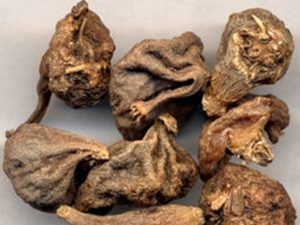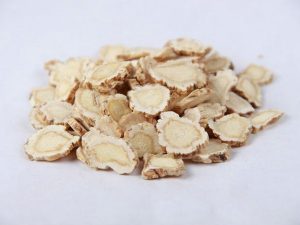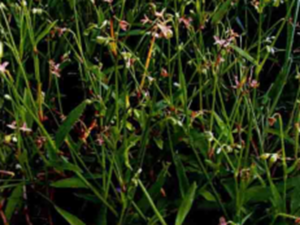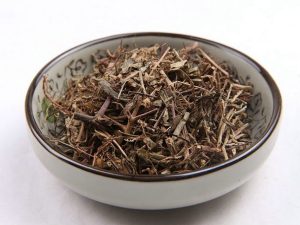
Asarum, a name in traditional Chinese medicine, refers to the dried roots and rhizomes of the Araliaceae plant Northern Asarum (Asarum heterotropoides Fr. Schmidt var. mandshurium (Maxim.) Kitag.), Seoul Asarum (Asarum sieboldii Miq. var. seoulense Nakai, or Asarum sieboldii Miq. The first two are commonly known as “Liaoning Asarum” and are mainly produced in Liaoning, Jilin, and Heilongjiang; Asarum sieboldii Miq. is mainly produced in Shaanxi.According to traditional medicine, it has a pungent taste and warm nature, enters the Heart, Lung, and Kidney meridians, and possesses the effects of relieving exterior syndromes and dispelling cold, expelling wind and alleviating pain, unblocking the orifices, and warming the lungs to transform fluid retention. It is primarily used to treat wind-cold colds, headaches, toothaches, nasal congestion with runny nose, nasal discharge, chronic sinusitis, rheumatic arthralgia, and phlegm-fluid retention accompanied by wheezing and cough.