Dong Quai
Licorice
Goji berries
Gastrodia Elata
Cordyceps
Astragalus

Blunt-leaved Grass

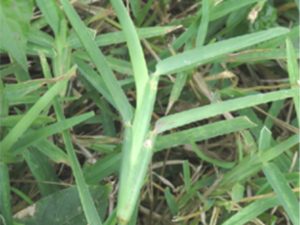
Stenotaphrum, a name in traditional Chinese medicine. It refers to the whole plant of Stenotaphrum helferi Munro ex Hook. f., a member of the Poaceae family. It is distributed in Guangdong, Guangxi, Yunnan, and other regions. It has the effects of tonifying qi and inducing labor. It is commonly used for gastric ptosis, uterine prolapse, habitual miscarriage, and dystocia.

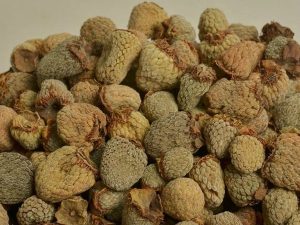
Raspberry

Raspberry is a traditional Chinese medicinal herb used to consolidate essence, reduce urination, and stop leukorrhea. It consists of the unripe fruits of Rubus chingii Hu, a plant in the genus Rubus of the Rosaceae family. It has the effects of nourishing the kidneys to consolidate essence and reduce urination, as well as nourishing the liver to improve vision. It is primarily used to treat nocturnal emissions, involuntary ejaculation, enuresis, frequent urination, erectile dysfunction, premature ejaculation, and blurred vision.

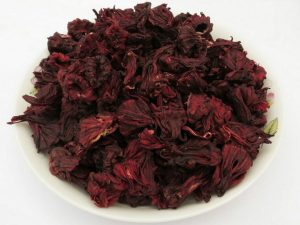
Hibiscus

Hibiscus, a name in traditional Chinese medicine. It is an annual herbaceous plant of the Malvaceae family, and its calyx is used medicinally. It has the effects of tonifying the lungs and relieving coughs, lowering blood pressure, and alleviating alcohol intoxication. It is primarily used to treat coughs caused by lung deficiency, hypertension, and alcohol intoxication.

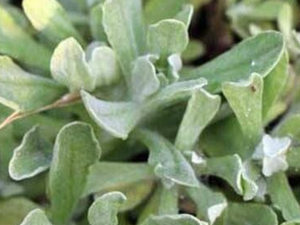
White-banded Grass

White Discharge Herb is the name of a traditional Chinese medicine. It refers to the whole plant of Cardamine hirsuta L. (hairy cardamine) and Cardamine flexuosa With. (curved cardamine), both members of the Brassicaceae family. Cardamine hirsuta is distributed in Liaoning, Hebei, Shanxi, Shaanxi, Gansu, Shandong, and areas south of the Yangtze River; Cardamine flexuosa is distributed in Liaoning, Hebei, Shaanxi, Gansu, Henan, and areas south of the Yangtze River.It has the effects of clearing heat and draining dampness, calming the mind, and stopping bleeding. It is primarily used to treat damp-heat diarrhea and dysentery, heat-induced urinary disorders, leukorrhea, palpitations, insomnia, toothache caused by deficiency-heat, pediatric malnutrition, hemoptysis, hematochezia, and carbuncles.

Gastrodia elata mix with sleeping pills sedatives

Gastrodia elata exerts natural mild central nervous system sedative effects by activating GABA inhibitory pathways in the brain to relieve anxiety, calm nerves and improve sleep. When combined with prescription sleeping pills, benzodiazepine sedatives or anti-anxiety sedatives, the two substances produce synergistic central inhibition, which greatly amplifies sedation risks and creates multiple life-threatening hidden dangers. … Read more
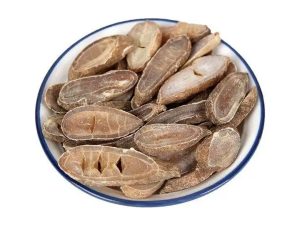
How to treat gastrodia allergy reaction

Allergy reactions from gastrodia fall into mild, moderate and severe grades, with different targeted treatment plans for oral ingestion allergy and facial skincare contact allergy respectively. Part 1: First universal rule Stop taking/eating gastrodia orally or wash off gastrodia skincare products from skin completely right away. Drink plenty of warm water to speed up metabolism … Read more

Sulfur fumigated Tianma toxicity risk

Gastrodia elata preserved by sulfur fumigation is widely sold in herbal markets for bright color, anti-mold preservation and covering mildew spots, yet long-term ingestion brings cumulative toxic damage to the digestive tract, liver, respiratory system and internal organs, which is one of the major hidden safety hazards of commercially available Tianma. 1. Formation of toxic … Read more

Is raw Gastrodia elata toxic to eat directly

Raw fresh Gastrodia elata is not highly toxic, but eating it raw directly carries multiple health risks and is not recommended for consumption, for the following reasons: 1. Contains irritating natural ingredients that cause discomfort Fresh raw Tianma contains gastrodin precursors, plant mucus and oxalic acid crystals. These irritate oral mucosa, throat and gastrointestinal tract … Read more

What happens if you overdose Gastrodia elata

Gastrodia elata overdose refers to consuming more than 10 grams of dried gastrodia in a single day, or continuous daily intake exceeding 10 g for multiple days. Excess gastrodin accumulates in the body, causing amplified sedative, vasodilatory effects, and a series of nervous system, cardiovascular, gastrointestinal adverse reactions; severe overdose may trigger dangerous hypotension and … Read more

Gastrodia elata allergy symptoms rash itching

Gastrodia elata allergy is relatively uncommon, with an overall incidence below 1%, mostly occurring in people allergic to orchids, pollen or herbal plants. It primarily presents with skin rash and itching as typical symptoms, and may involve digestive, respiratory and systemic allergic reactions in moderate to severe cases. Allergic reactions can occur either from oral … Read more

Tolerance build up after taking Tianma regularly

Gastrodia elata can produce mild physiological tolerance with repeated regular consumption, meaning the same dosage gradually delivers weaker effects on dizziness relief, sedation and blood pressure regulation over time. This adaptive change arises from nervous system and vascular accommodation, rather than chemical addiction, and can be reversed with proper rest cycles. 1. How tolerance develops … Read more

Long term gastrodia elata liver kidney damage risk

Gastrodia elata itself is classified as a non-toxic medicinal herb in traditional Chinese medicine and modern toxicology studies; pure cultivated gastrodia does not directly cause liver necrosis or kidney lesions when used at standard doses. Nevertheless, long-term uninterrupted daily intake still creates cumulative metabolic stress and indirect organ injury risks, while inferior wild or sulfur-fumigated … Read more

How many weeks can you continuously take Gastrodia elata

Gastrodia elata should not be taken continuously every day indefinitely. For regular adults doing daily health maintenance (relieving dizziness, nervous tension, mild insomnia), the safe continuous intake cycle is 2 weeks (14 days maximum), then stop for 3–5 days before resuming another cycle. Under medical supervision for therapeutic purposes only, continuous administration can extend to … Read more

Is it safe to take Gastrodia elata every day long term

Gastrodia elata cannot be safely consumed every single day over the long term without interruption, even pure cultivated sulfur-free gastrodia carries cumulative side effects when taken daily continuously, and only intermittent cyclic administration conforms to safe medication rules recognized by traditional Chinese medicine and modern pharmacology. 1. Health risks of daily long-term uninterrupted intake (1) … Read more