Search for Herbal Teas Recipes by Symptom:

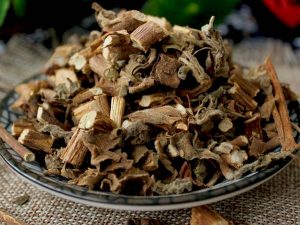
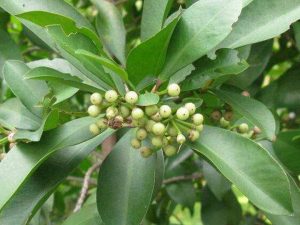
Shuiwengpi

Shuiwengpi is the name of a traditional Chinese medicine. It is the bark of the plant *Cleistocalyxoperculatus* (Roxb.) Merr. et Perry, belonging to the Myrtaceae family. It is distributed in Guangdong, Hainan, Guangxi, Yunnan, and other regions. It has the therapeutic effects of clearing heat and detoxifying, drying dampness, and killing parasites. It is used to treat damp-heat foot sores, eczema, scabies, skin ulcers caused by malnutrition, abscesses of the scrotum, and burns and scalds.

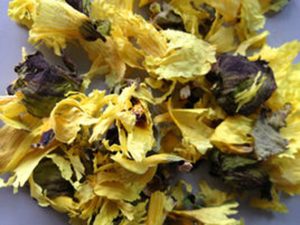
Yellow Hibiscus Flower

Huang Shu Kui Hua refers to the corolla of Abelmoschus manihot (L.) Medik, a species of the Malvaceae family. It is primarily produced in Guangxi, Guangdong, Yunnan, Guizhou, Hunan, Sichuan, Hebei, Shandong, Hubei, and Fujian.The corolla has a sweet taste and a cold nature; it is effective in clearing heat, draining dampness, reducing swelling, and detoxifying. When taken internally, it is used to treat damp-heat stagnation, dysuria with turbid urine, and edema; when applied externally, it can treat boils, abscesses, swellings caused by toxins, and burns from fire or water.

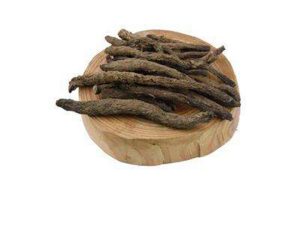
Curculigo

Curculigo is a medicinal herb used to tonify yang. It is the dried rhizome of Curculigo orchioides Gaertn., a plant belonging to the genus Curculigo in the family Curculigaceae. It has the effects of tonifying kidney yang, strengthening tendons and bones, and dispelling cold and dampness. It is used to treat impotence with cold semen, weakness and flaccidity of tendons and bones, cold pain in the lower back and knees, and cold diarrhea due to yang deficiency.

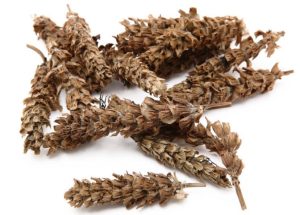
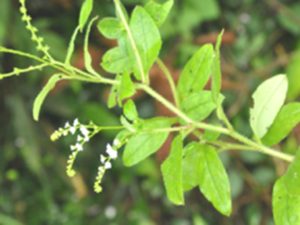
Thyrocarpus

Thyrocarpus, a name in traditional Chinese medicine. It refers to the whole plant of Thyrocarpus sampsonii Hance, a member of the Boraginaceae family. It is distributed in Shaanxi, Gansu, Jiangsu, Anhui, Zhejiang, Jiangxi, Fujian, Taiwan, Hubei, Hunan, Guangdong, Guangxi, Sichuan, Guizhou, Yunnan, and other regions. It has the effects of clearing heat, detoxifying, and reducing swelling. It is commonly used to treat boils, carbuncles, sore throat, diarrhea, and dysentery.

Treating Bad Breath and Dizziness

A Story About Unclogging a Drain

Dizziness refers to a sensation of mental fogginess or lack of clarity, typically without a feeling of the world spinning; it is often associated with insufficient blood flow to the brain, sleep disorders, or chronic fatigue.‌ The Difference Between Dizziness and Vertigo ‌Dullness in the Head‌: A sensation of heaviness and dullness in the head, … Read more
Moderation In All Things; Excess Leads to Harm

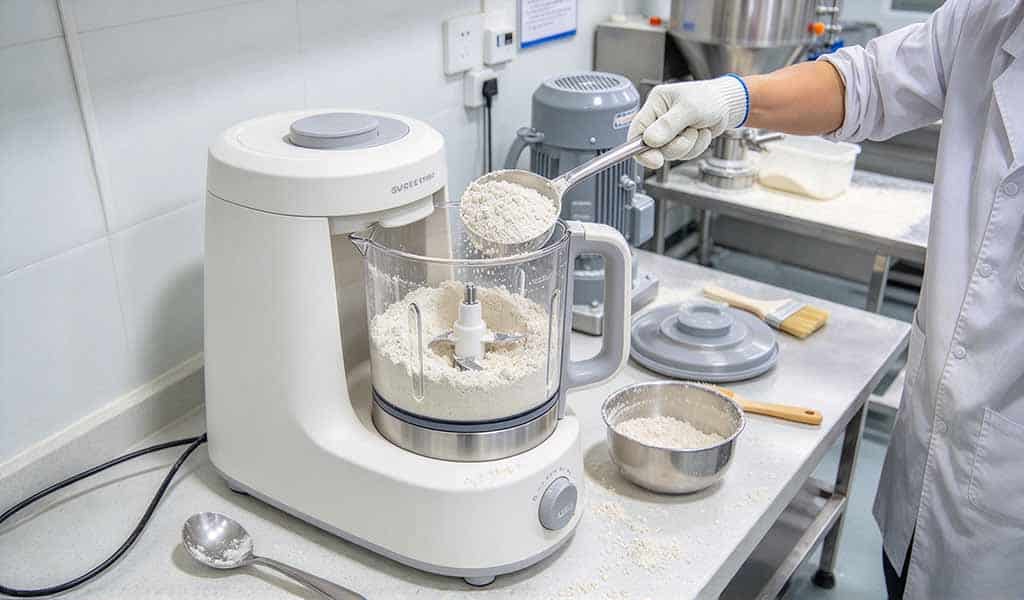
The Story of the Powder Grinder

The saying, “In all things, do not overdo it; excess will surely harm the body,” boils down to the concept of “moderation”—whether it’s eating, working, managing emotions, or enjoying oneself, once you go too far, both your physical and mental health are prone to problems. This saying is particularly common in traditional Chinese medicine and … Read more

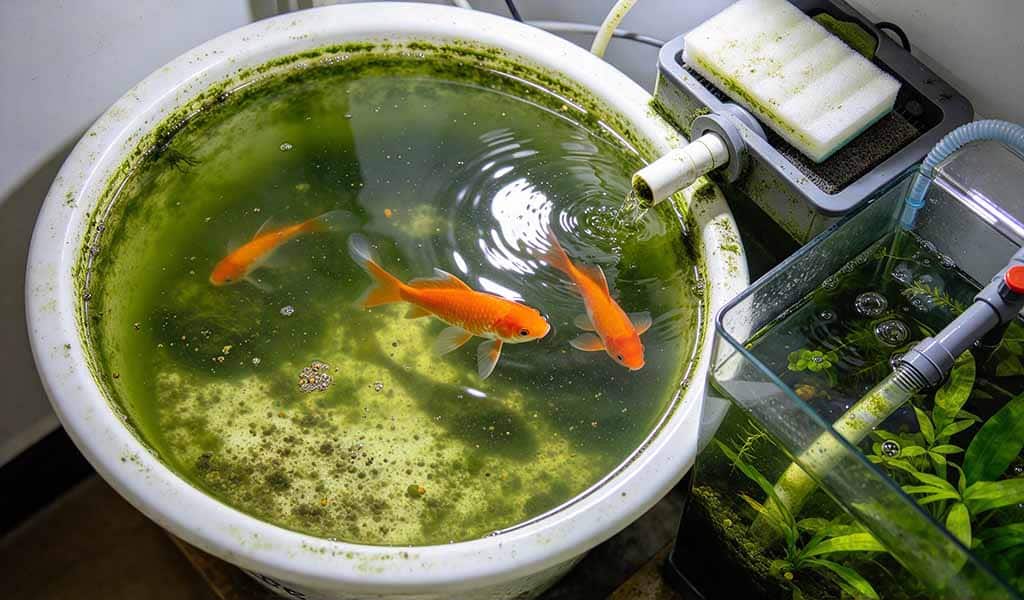
Diagnosis and Treatment of Affluent Diseases

A Story About Keeping Goldfish

“Affluent Diseases”—commonly referred to in Chinese as “wealth-related diseases”—refer to a class of chronic, noncommunicable diseases closely associated with affluent lifestyles, with the core contributing factors being excessive nutrition and insufficient physical activity.‌‌ These conditions do not constitute a single disease but rather a collective term for a group of metabolic disorders. The most common … Read more

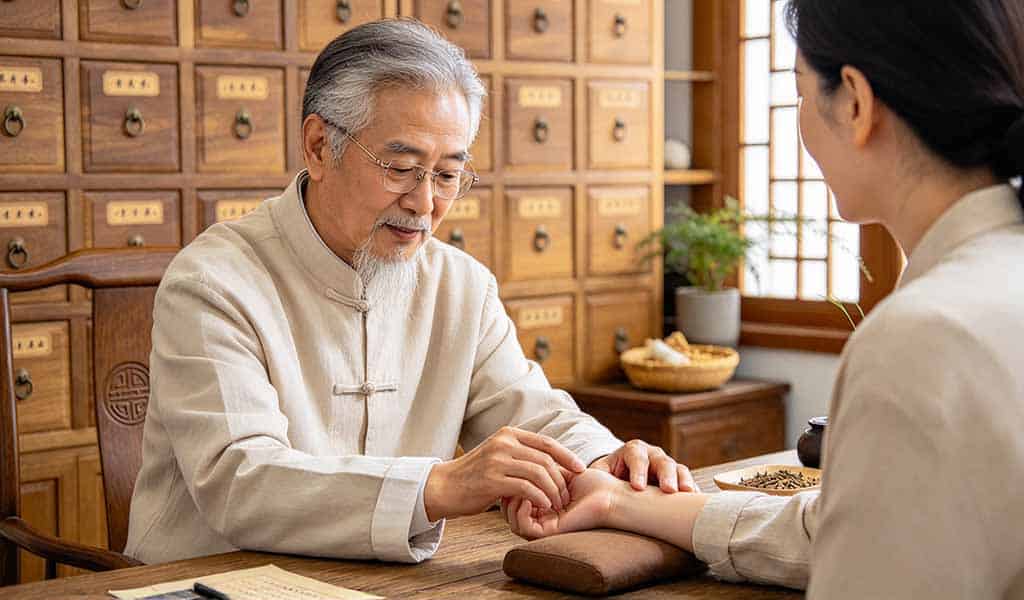
How to Distinguish Between Deficiency and Excess Syndromes

A Story About Pulse Diagnosis

“Deficiency and Excess Syndromes” are a pair of core principles in the Eight Principles of Differential Diagnosis in Traditional Chinese Medicine.‌ Simply put, a “Deficiency Syndrome” refers to a deficiency of the body’s vital energy (zhengqi) and a decline in organ function, such as qi deficiency, blood deficiency, yin deficiency, and yang deficiency; an “Excess … Read more

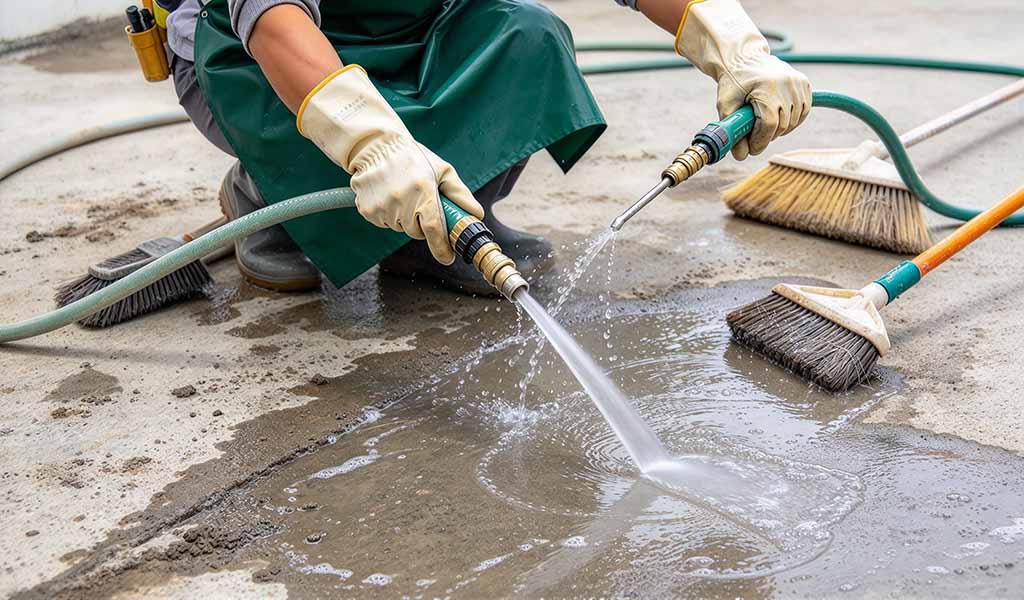
Diagnosis and Treatment of Hypertension

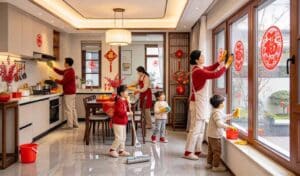
The Story of Washing the Floor

In Traditional Chinese Medicine, blood pressure is viewed through the lens of imbalances in qi, blood, yin, and yang: high blood pressure is often attributed to “excessive liver yang,” while low blood pressure is often attributed to “deficiency of qi and blood.” The Story of Washing the Floor With the Spring Festival approaching, my wife … Read more

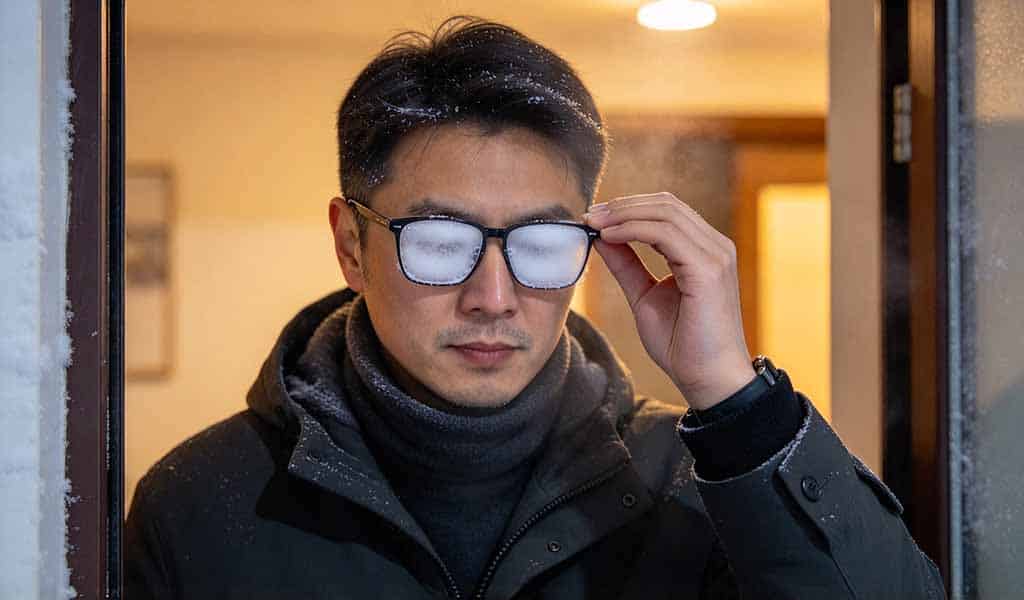
Diagnosis and Treatment of Sweating Disorders

The Story of Fogged-Up Glasses

The core symptom of excessive sweating is frequent, bilateral, and symmetrical profuse sweating in specific areas of the body (such as the armpits, palms, soles of the feet, and scalp) without any obvious triggers (such as high temperatures or exercise). These episodes occur at least once a week but do not occur during nighttime sleep.‌‌‌ … Read more

Harnessing Acupoints to Stimulate the Body’s Self-Healing

The Story of the Quarry

Stimulating acupoints can indeed help activate the body’s self-healing abilities, a claim supported by traditional Chinese medicine theory. The core principle involves stimulating key points along the meridians through methods such as massage and moxibustion to unblock the meridians, harmonize qi and blood, and strengthen the body’s vital energy, thereby aiding the body’s self-repair. Modern … Read more

The Art of Dining

A Picnic Story

Eating isn’t just about filling your stomach—how you eat, how much you eat, and when you eat are all directly related to your health and quality of life. Mastering a few key habits can bring greater benefits to your body. A Picnic Story Spring has arrived. All things are coming back to life; the sun … Read more

Diagnosis of Hypertension, Hyperlipidemia, and Diabetes

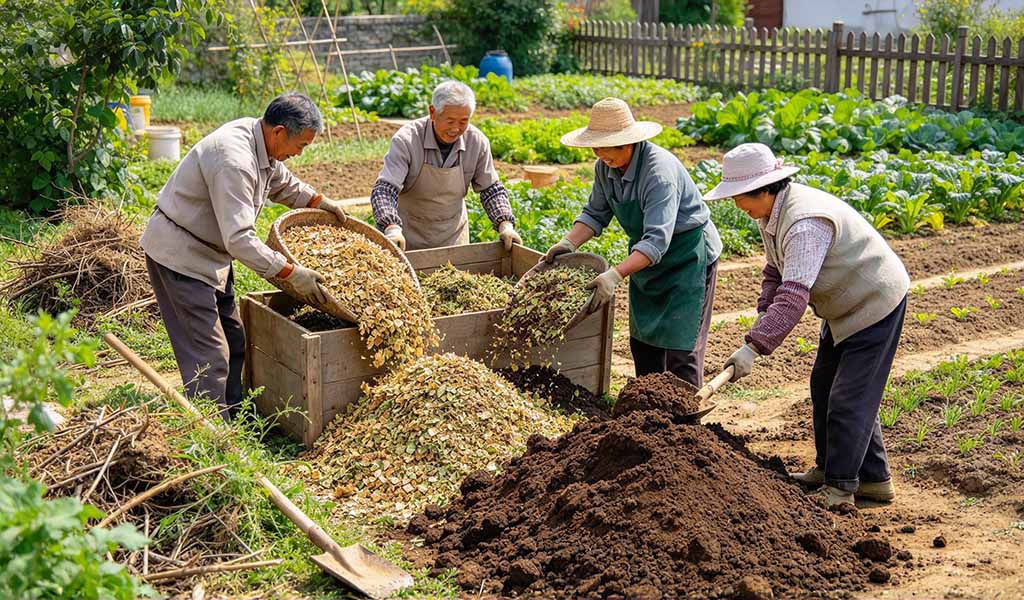
A Story of Waste Utilization

The “fasting therapy” in traditional Chinese medicine does not mean forcing yourself to go without food; its core principle is moderation in eating—that is, not eating until you’re full at every meal, but leaving a little room. For modern people who suffer from overnutrition, food stagnation, and poor spleen and stomach function (weak digestion and … Read more

The Wisdom of “Original Broth Digests Original Food”

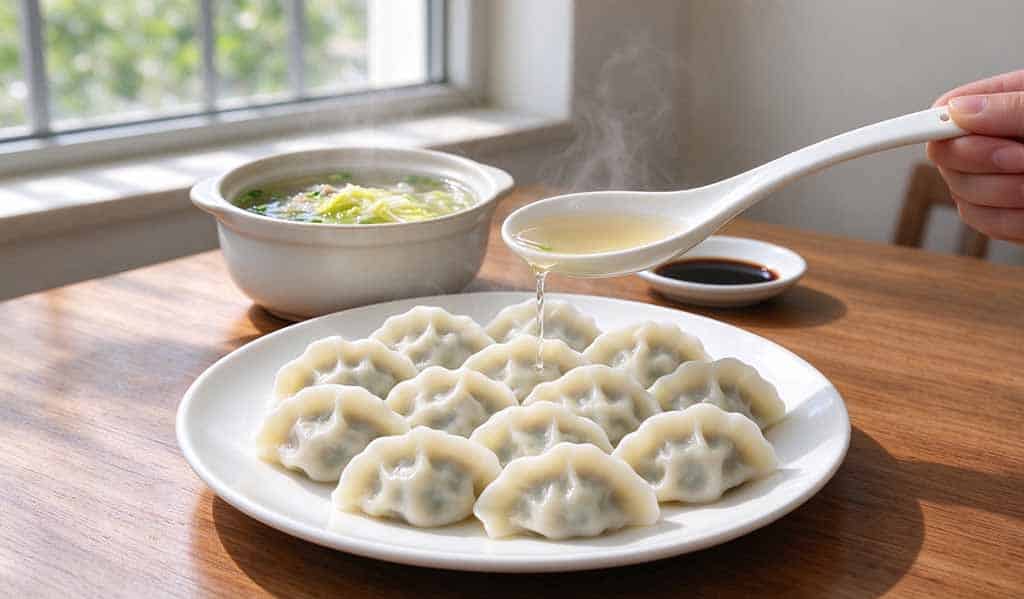
A Story About Eating Dumplings

“Eat the original food with the original broth” is a dietary tradition passed down from older generations. It means that after eating noodles, dumplings, and other starchy foods, drinking some of the broth used to cook them aids digestion and replenishes nutrients. While there is some truth to this old saying, it is not a … Read more