Search for Herbal Teas Recipes by Symptom:

Tea Leaves

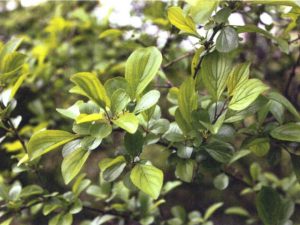
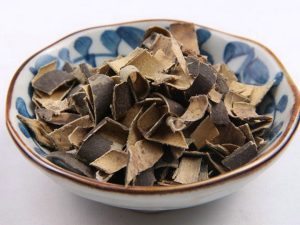
Tea leaves, a name in traditional Chinese medicine. They are the tender leaves or buds of Camellia sinensis (L.) O. Kuntze [Thea sinensis L.], a plant of the genus Camellia in the family Theaceae. They have the effects of clearing the head and eyes, relieving restlessness and thirst, aiding digestion, resolving phlegm, promoting urination, and detoxifying.It is primarily used to treat headaches, blurred vision, red eyes, excessive sleepiness, the common cold, restlessness and thirst, indigestion, bad breath, phlegm-induced wheezing, epilepsy, difficulty urinating, diarrhea and dysentery, sore throat, boils and abscesses, and burns from fire or water.

Snake-clasping Turtle

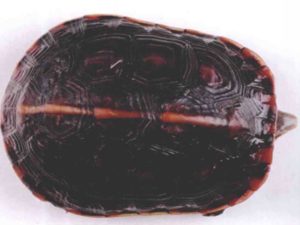
Snake-clasping Turtle is the name of a traditional Chinese medicinal material. It consists of the entire body of the yellow-edged box turtle (Cuora flavomarginata (Gray)) or the three-striped box turtle (Cuora trifasciata (Bell)), both belonging to the family Testudinidae. It has the effects of promoting blood circulation, removing blood stasis, detoxifying, and reducing swelling.It is primarily used to treat contusions and bruises, sore throat, scrofula, bone and joint tuberculosis, chronic osteomyelitis, and hypertrophic spondylitis.

Purple Wisteria Root

Purple Wisteria Root is the name of a traditional Chinese medicinal herb. It is the root of Berchemia kulingensis Schneid., a plant in the Rhamnaceae family. It is found in Zhejiang, Jiangxi, Anhui, and other regions. It has the effects of dispelling wind and draining dampness, as well as unblocking meridians and promoting blood circulation. It is primarily used to treat rheumatic pain, osteomyelitis, chronic eczema, and malnutrition in children.

Qinpi

Qinpi is the name of a traditional Chinese medicine. It consists of the dried bark or dry bark of the following plants in the genus Fraxinus of the Oleaceae family: Fraxinus rhynchophylla Hance (bitter ash), Fraxinus chinensis Roxb. (Chinese ash), Fraxinus szaboana Lingelsh. (pointed-leaf ash), or Fraxinus stylosa Lingelsh. (stylose ash).It has the effects of clearing heat and drying dampness, astringing to stop dysentery, stopping leukorrhea, and improving vision. It is primarily used to treat damp-heat diarrhea and dysentery, red and white leukorrhea, redness, swelling, and pain in the eyes, and corneal opacities.

Diagnosis and Treatment of Deficiency Syndromes (Part II)
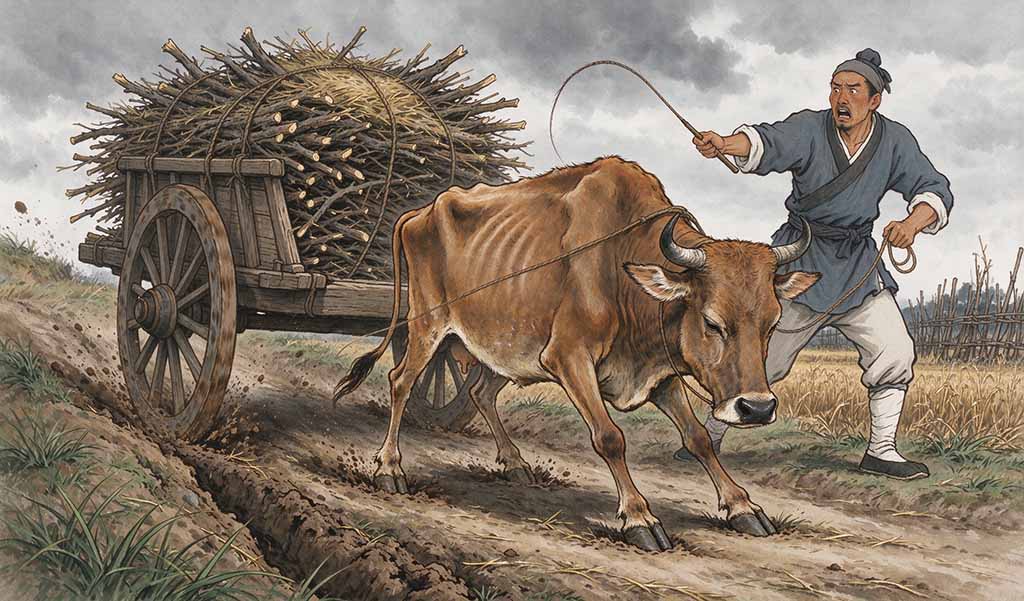
The Story of the Ox Cart

In Traditional Chinese Medicine, “deficiency syndrome” refers to a category of symptoms characterized by an insufficiency of the body’s vital energy and a decline in the functions of the internal organs. It is primarily divided into four basic types: qi deficiency, blood deficiency, yin deficiency, and yang deficiency.‌‌‌ The Four Types of Deficiency Syndromes and … Read more

Diagnosis and Treatment of Deficiency Syndromes (Part 1)

The Story of the Oil Lamp

In Traditional Chinese Medicine, “deficiency syndrome” refers to a category of symptoms characterized by an insufficiency of the body’s vital energy and a decline in the functions of the internal organs. It is primarily divided into four basic types: qi deficiency, blood deficiency, yin deficiency, and yang deficiency.‌‌‌ The Four Types of Deficiency Syndromes and … Read more

Diagnosis and Treatment of Internal and External Syndromes

The Story of Fixing a Fan

In the context of Traditional Chinese Medicine (TCM), “Internal and External Syndromes” corresponds to the technical terms “exterior syndrome” and “interior syndrome”—a pair of guiding principles used in the Eight Principles of TCM to determine the depth of a disease’s location. Simply put, exterior syndromes refer to conditions affecting the body’s periphery (skin, muscles, and … Read more

Diagnosis and Treatment of Different Types of Insomnia

Reflections on a Mountain Cave

Insomnia is the standardized medical term for sleep disorders in Traditional Chinese Medicine (TCM), referring to a class of conditions characterized by a persistent inability to achieve normal sleep. TCM holds that the core pathogenesis lies in “Yang failing to enter Yin” and a disruption of the interaction between Yin and Yang; the primary location … Read more

How to Warm the Meridians and Disperse Cold

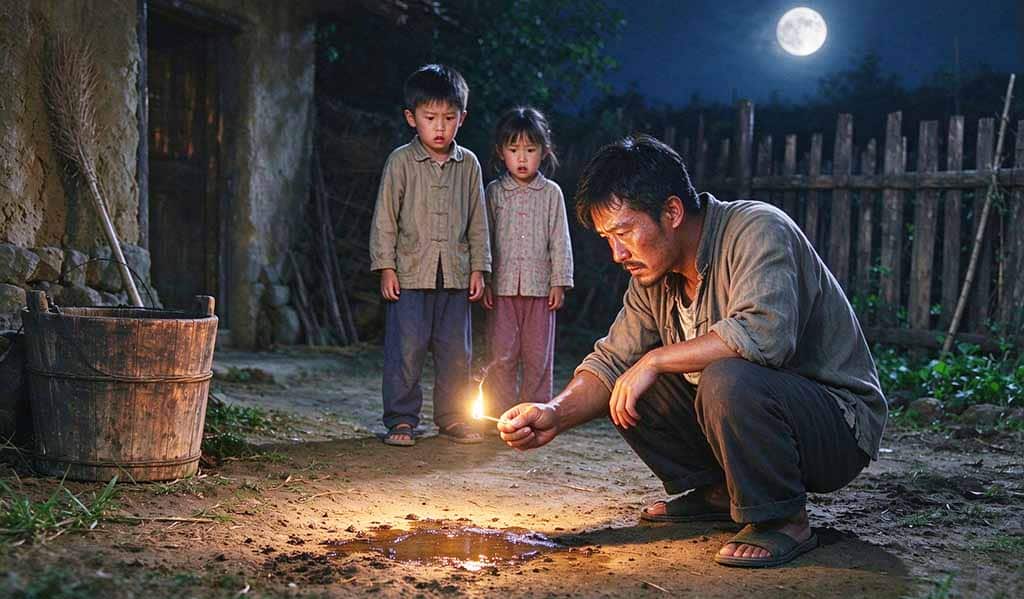
The Story of Burning Kerosene

“Warm the Meridians and Disperse Cold” corresponds to the Chinese term 温经散寒, which is a therapeutic approach in Traditional Chinese Medicine used to dispel cold pathogens from the body and unblock the meridians.‌ Simply put, it addresses various issues caused by “cold” by using warmth to drive out the cold qi blocked in the meridians, … Read more

How to Eliminate Excess Dampness from the Body

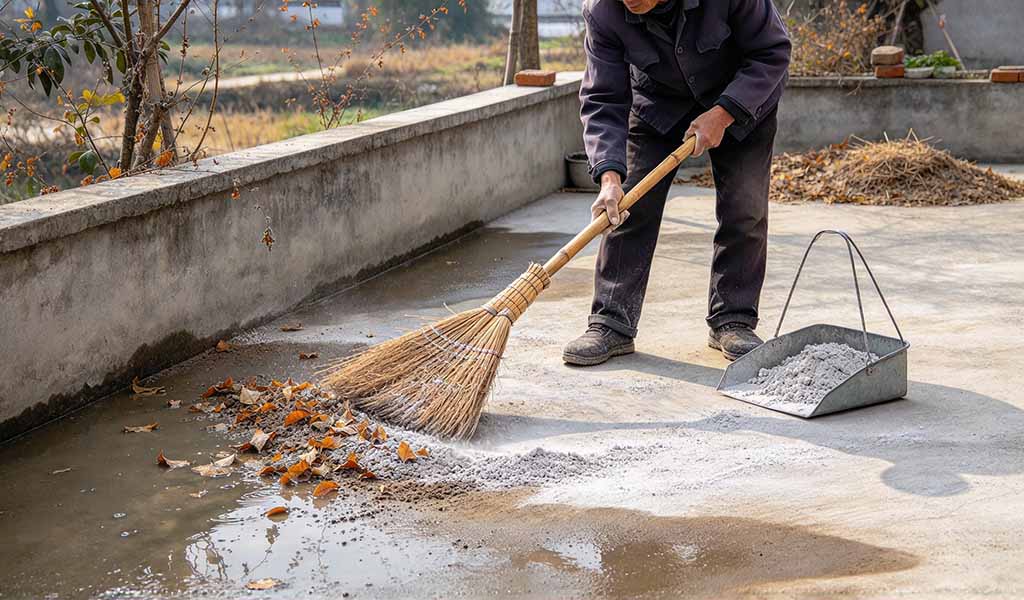
Reflections on Sweeping the Floor

In the context of Traditional Chinese Medicine, “Excess Dampness” is commonly referred to as “excessive dampness” and can also be understood as a condition characterized by an excess of “damp pathogenic factors.” The “dampness” referred to in Traditional Chinese Medicine is not exactly the same as humidity in the air; rather, it refers to a … Read more

Diagnosis and Treatment of Spleen Deficiency

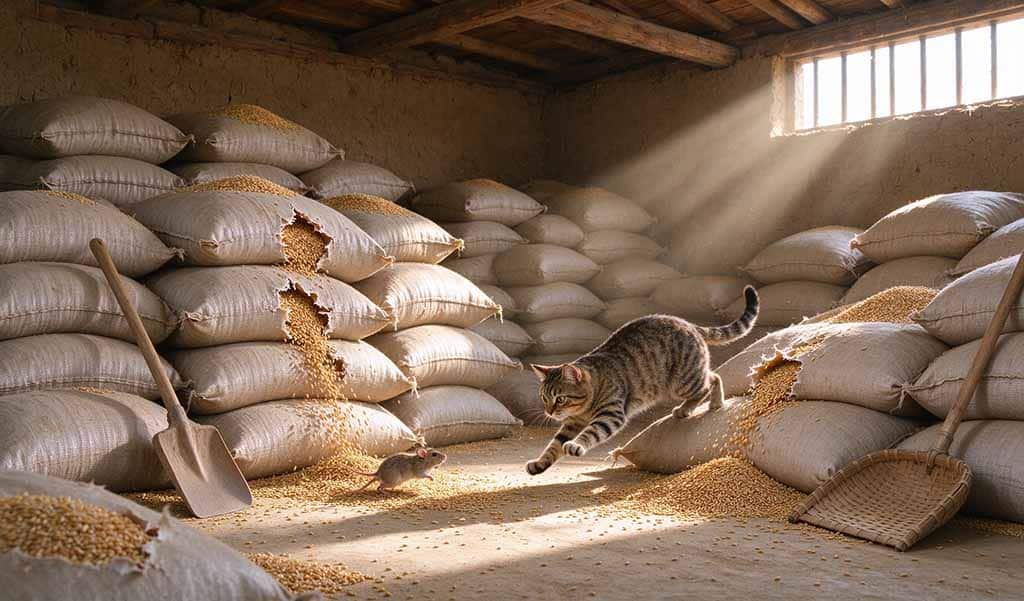
The Story of the Cat and the Mice

Spleen deficiency is a common pattern in Traditional Chinese Medicine (TCM). It refers to a weakened ability of the spleen and stomach to transport and transform food, leading to problems with digestion and absorption. Typical symptoms include loss of appetite, abdominal distension, loose stools, physical fatigue, a sallow complexion, and general weakness.‌‌ Note: The “spleen” … Read more

Symptoms and Treatment of Cold Invasion in the Liver Meridian

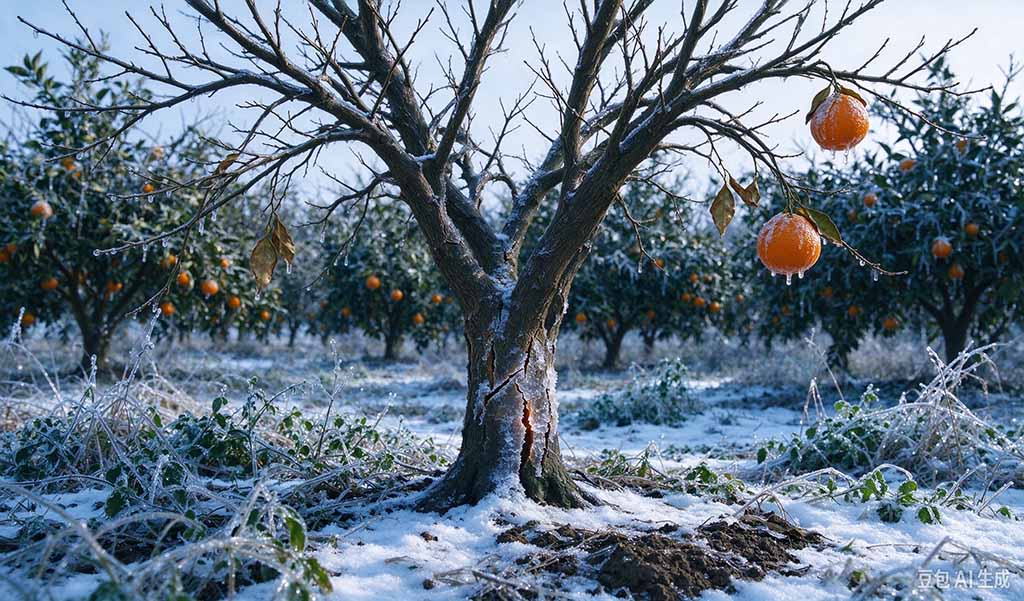
The Story of the Trees That Froze to Death

The corresponding Traditional Chinese Medicine (TCM) term for “Cold Invasion in the Liver Meridian” is “Cold Congestion in the Liver Meridian” (also known as “Cold Stagnation in the Liver Meridian” or “Cold Invading the Liver Meridian”).‌ This is a syndrome pattern in TCM that refers to the invasion of cold pathogens into the Liver Meridian, … Read more

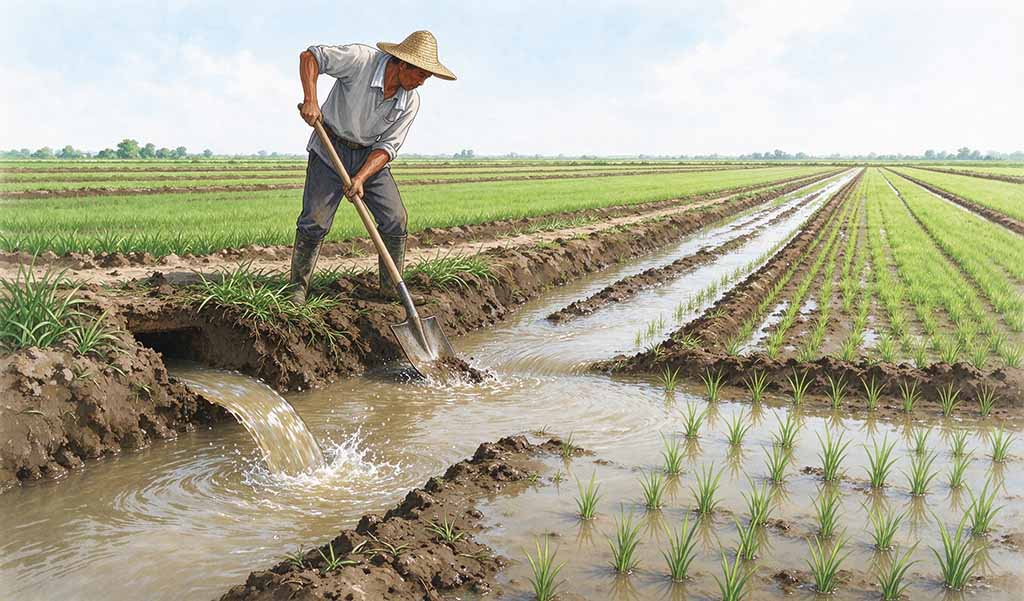
Lessons from Malabsorption

he Story of Irrigating the Fields

Malabsorption refers to a reduced ability of the small intestine to absorb nutrients from food, resulting in the inability of ingested nutrients to effectively enter the bloodstream and leading to problems such as diarrhea, weight loss, and malnutrition. It is not a single disease, but rather a common symptom caused by a variety of underlying … Read more

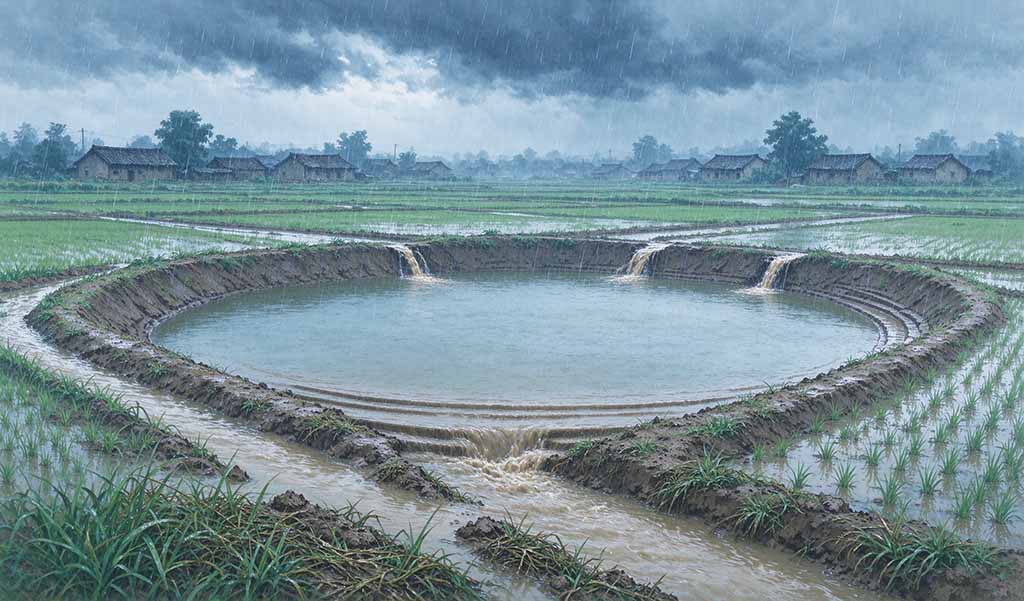
The Art of Tonification in TCM

The Story of the Reservoir

Tonification, in the context of medicine and Traditional Chinese Medicine (TCM), primarily refers to therapeutic methods that nourish the body and correct states of deficiency through the use of herbs or other therapies.‌‌‌ ‌The Theoretical Status of the Tonification Method‌: The tonification method is one of the Eight Therapeutic Methods in TCM (sweating, emesis, purgation, … Read more